
If you’re building or renovating, you’re probably juggling floor plans, finishes, and a budget that stretches and snaps each week. Meanwhile, solar often sits on the list as “something to sort out later”, even though it shapes running costs for years. Because of this, choosing the right partners early can save stress down the track.
Solar isn’t just panels and an inverter. Instead, it’s smart design, quality hardware, and people who stand behind their work. When these align, your home runs smoothly without constant attention.
1. Yes, higher upfront costs add stress — we get it
When you’re building, every extra cost hurts. Quotes vary by thousands, and the cheapest option looks tempting. However, that approach can create expensive problems later.
A cheap system may work at first. Even so, mismatched components or shallow warranties can mean callouts and downtime. As a result, bills creep up because performance drops. By contrast, a well‑designed system delivers more usable energy during peak times, so you import less from the grid.
Support matters too. In practice, you want a brand and installer who can see your system data and act fast. In short, solar is the engine room of the home, so cutting corners rarely ends well.

2. Choosing the right installer (the most important decision you’ll make)
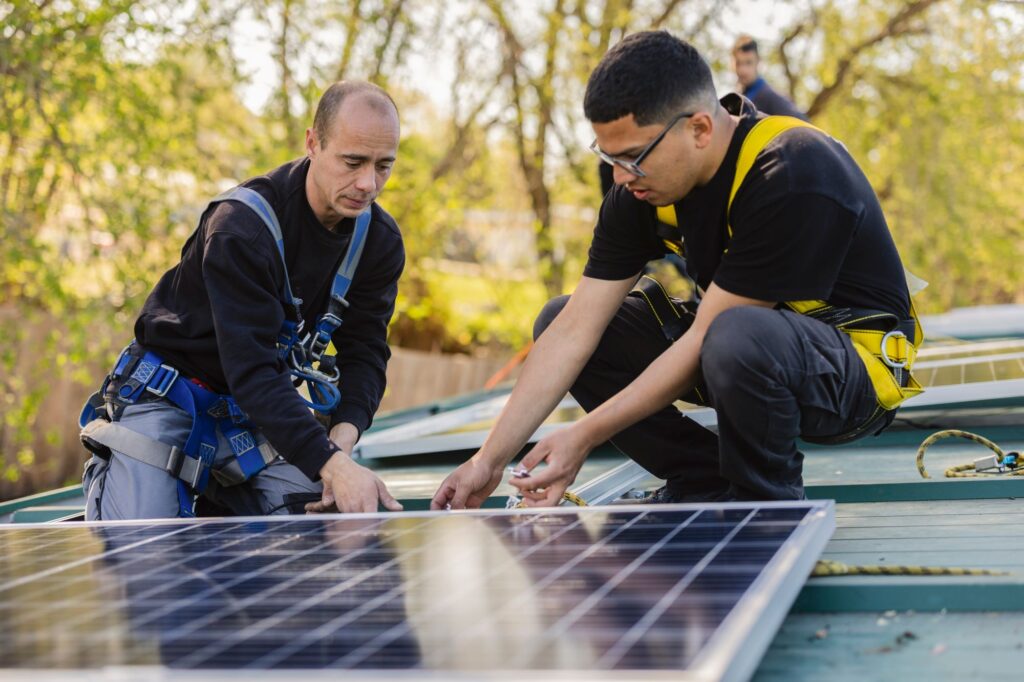
Most homeowners focus on brands first. However, the installer has an even bigger impact on your system’s long‑term performance. Great equipment can fail in the wrong hands, while a skilled installer can make a mid‑range system perform beautifully. It’s also worth looking at how long your installer has actually been in business. Solar is one of those industries where some companies pop up quickly and disappear just as fast. If your installer shuts down and you need support, repairs, or warranty help later, the costs can add up fast — and the stress of finding someone new who’s willing to take over the job isn’t fun. A stable, established installer gives you confidence that they’ll be around for the long haul, just like your solar system.
So, it’s worth asking a few key questions:
Are you accredited and insured?
CEC accreditation is essential. Also ask who will actually be onsite on installation day.
Can I see recent installs?
For example, photos of homes similar to yours show how they handle roof types, shading, and inverter placement.
What brands do you recommend — and why?
Good installers can explain their choices clearly, without hiding behind jargon.
How will the system be designed?
Ask about array direction, shading, MPPT layout, and inverter placement. This helps you understand how carefully they plan.
What happens after installation?
Ideally, the installer offers remote monitoring, handles warranty claims, and responds quickly when issues arise.
Is it battery and EV ready?
Even if you’re not adding these now, a good design keeps future options open.
Additionally, look for tidy cabling, detailed quotes, and a stable local presence. On the other hand, avoid vague designs, pressure tactics, or a relaxed attitude to shading and heat. Ultimately, you’re choosing a long‑term partner, not a one‑day service.
3) How to choose the right solar brand for your Australian home
The market is noisy. Therefore, focus on what matters in real homes.
First, consider reliability. Australia’s heat, humidity, and grid variations test equipment hard. Second, check the warranty so you know who to call and how long service takes. Third, insist on useful monitoring. For instance, a clear view of production, consumption, and grid flows helps you act, not guess.
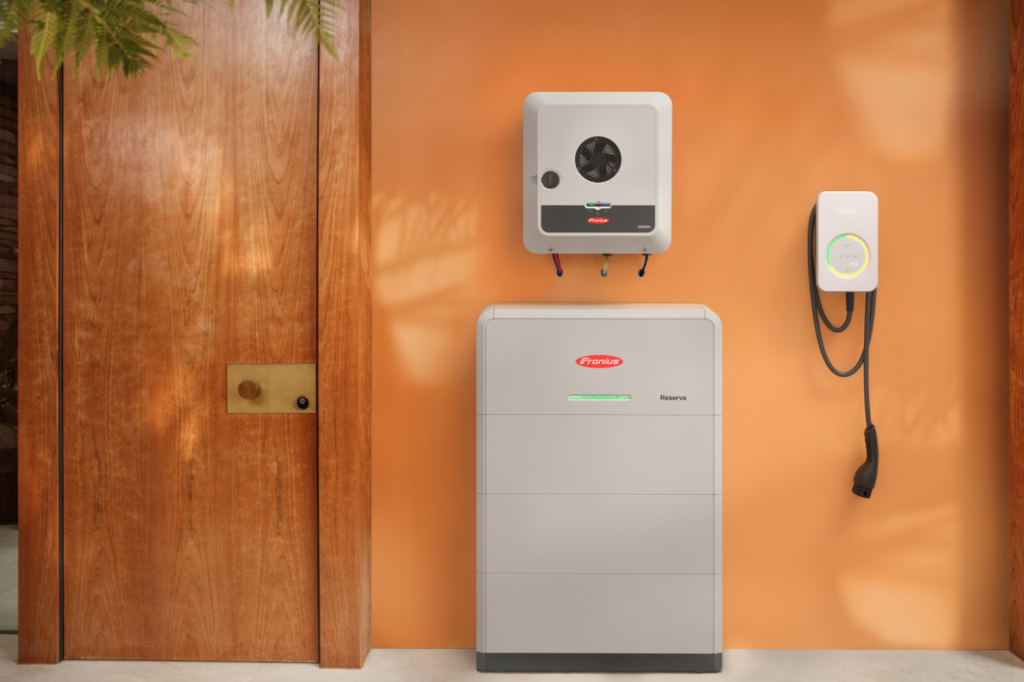
Furthermore, a clean ecosystem is a major advantage. When the inverter, smart meter, EV charger, and (later) a battery integrate well, everything just works. Finally, think about placement and looks. A cool, shaded inverter location and tidy switchboard layout reduce long‑term issues.
Therefore, if a brand ticks these boxes — and your installer prefers it for technical reasons — you’re on the right track.
4) Why a seamless solar system matters (it’s not just panels + inverter)
Solar used to be simple. Panels on the roof, inverter on the wall, job done. Homes are smarter now. Your energy setup is an ecosystem — inverter, smart meter, monitoring, automation, hot water control, and maybe a battery or EV charger.
When parts don’t communicate, trouble follows. You see clunky apps, missing data, and automations that misfire. Suppliers can even point fingers at each other. It’s frustrating, and it lands back on you.
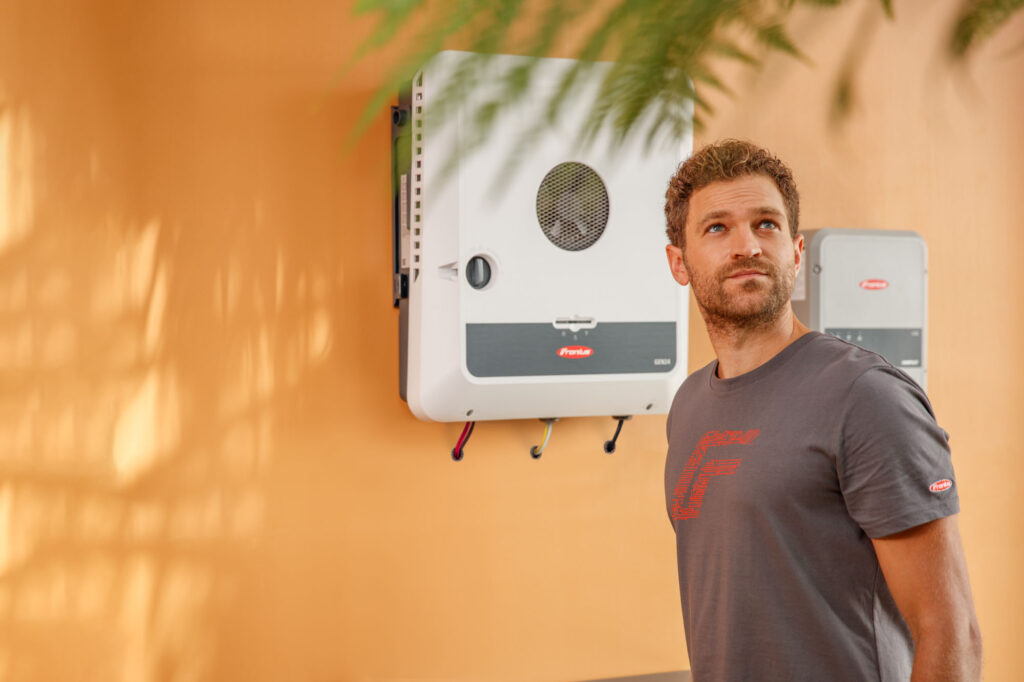
Choosing a setup designed to work as one avoids most of that grief. This is where a Fronius‑based ecosystem often stands out. Not because it shouts loudest, but because day‑to‑day use feels calm and predictable. The inverter, smart meter and monitoring speak the same language, so data is clear and automations behave.
Homeowners notice the difference right away. Open one app and you’ll see what your home is producing, using, and exporting in real time. Hot water and EV charging can shift to sunny hours automatically. Add a battery or EV charger later and the system adapts without a major redesign.
Support improves too. Installers can view system data, diagnose quickly, and cut downtime. You avoid the “call the other company” merry‑go‑round.
There’s a design upside as well, especially in a new build. Tidy switchboard integration, smart inverter placement, and a cleaner roofline make the home look better and run better.
In short, you want a system that just works. Choosing components built to operate as one, makes that far more likely and far less stressful.
The bottom line
Building is stressful, but your solar decisions don’t have to be. Choose well, and your home runs efficiently for years. Specifically, pick an installer you trust, a brand that’s proven here in Australia, and an ecosystem that’s ready for what’s next. Do that, and solar becomes one of the easiest wins in your build.