

Electric vehicles are popping up everywhere, and with petrol nudging past $2 a litre, it’s no surprise. However, once you decide to go electric, the next question is simple: how do you charge your EV in a way that’s kinder on the battery and easier on your wallet? Moreover, how do you make the most of your solar if you’ve got panels on the roof? In short, a few smart habits can make a big difference. Additionally, you’ll see where a smart charger like the Fronius Wattpilot can quietly do the heavy lifting without the hard sell.
1) Choose the right gear, and plug in the right way
Most EVs in Australia use a Type 2 plug for everyday AC charging. However, it’s still worth checking your vehicle manual before buying an EV‑charger or portable unit. Therefore, make sure your charger is compliant, installed by a licensed electrician, and sized to suit your switchboard and tariff. For safety and proper locking, you connect to the charger first, then to the car. When you’re done, you unplug from the vehicle first, then the charger. Moreover, this simple sequence helps avoid wear and charging hiccups over time.
2) Follow the 20–80 rule for battery health
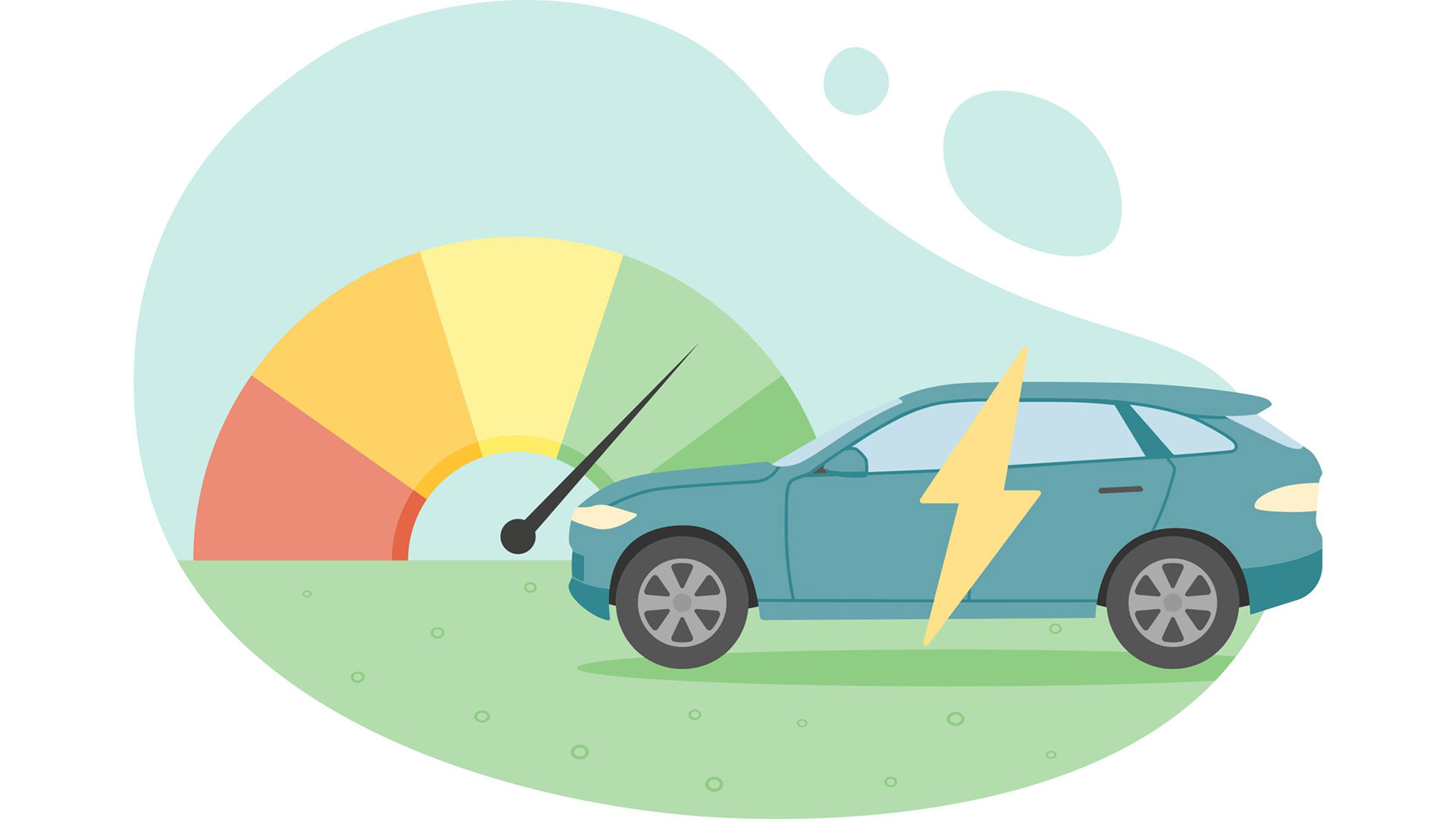 | Your battery prefers the middle lane. Therefore, aim to keep daily charging between 20% and 80% where practical. Additionally, many EVs let you set a charge limit so you don’t overshoot. On the other hand, if you’re heading out on a long trip, charging past 80% is fine, just don’t leave it sitting at 100% for days. In short, regular partial charges are gentler and extend usable life. |
3) Prioritise slower AC charging at home
Fast DC charging is brilliant on road trips. However, frequent rapid charging adds heat and stress, which can accelerate wear. Therefore, rely on home AC charging for day‑to‑day needs, and save DC fast charging for when it’s genuinely needed.
4) Adopt a “little and often” rhythm
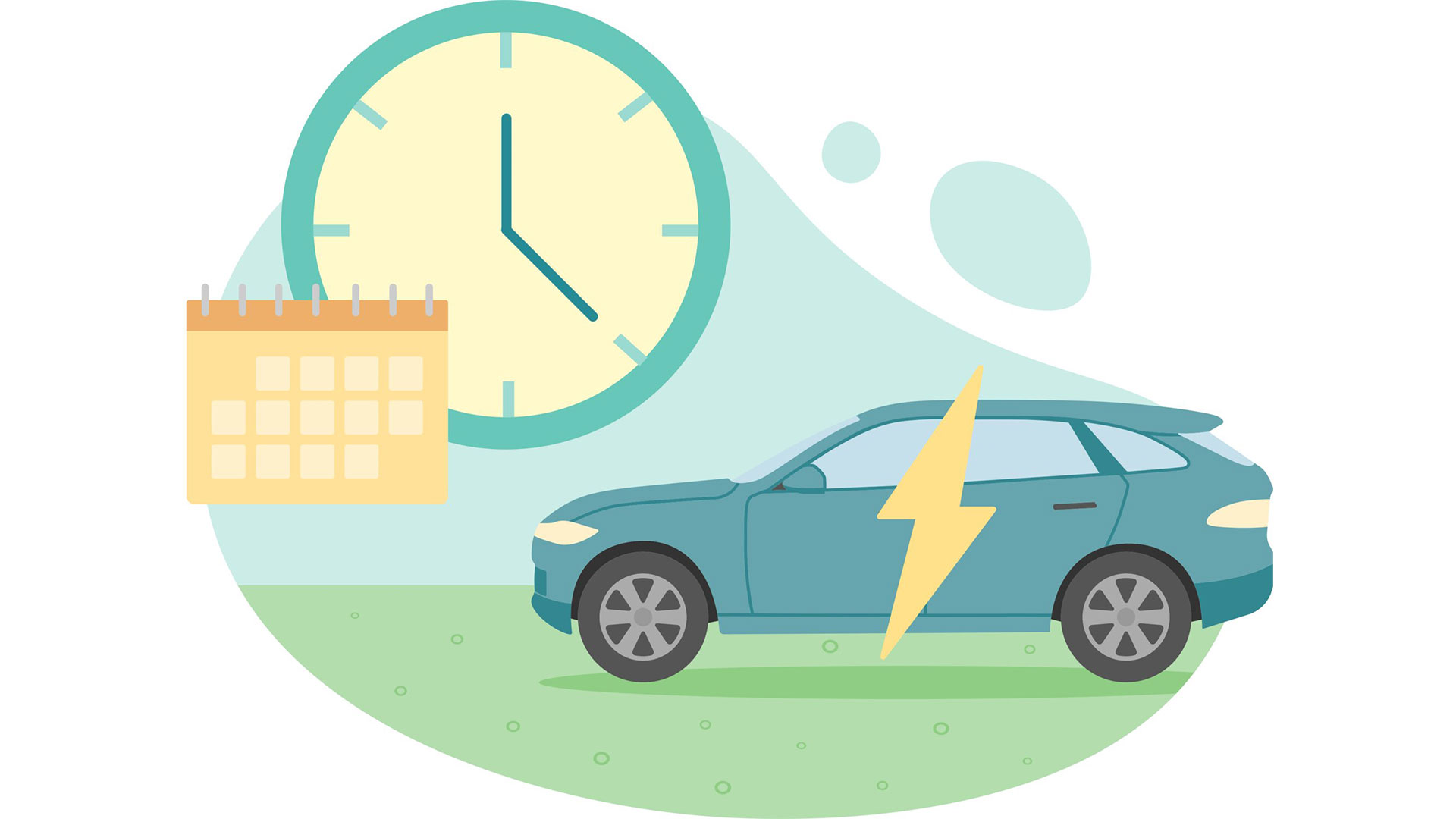 | Think about how you top up your phone: small, regular charges beat running it flat. Similarly, EVs don’t lose much charge while parked, so you don’t need to plug in every night. Instead, top up as needed and avoid deep lows or constant 100% charges. As a result, you’ll maintain range confidence without overworking the battery. Additionally, setting gentle charging windows during the day can align perfectly with your solar output. |
5) Don’t leave it full when you’re not driving
If your EV will sit for a while, avoid leaving it at 100%. Instead, keep it around 40–60% until your next trip. Additionally, a smart charging timer makes this effortless by finishing the charge just before you depart. With Fronius Wattpilot, scheduled charging means you arrive at the car ready to go without the battery sitting full for days. Therefore, you preserve battery health while keeping things convenient.
6) Be kind during temperature extremes
Australian summers can be scorching and winter mornings can be chilly. Moreover, batteries don’t love extremes. Therefore, charge more slowly when it’s under 10°C or over 30°C, and consider a short drive to gently warm the pack on cold mornings before plugging in. Additionally, shaded parking and charging in the cooler parts of the day can help manage heat in summer. As a result, you reduce thermal stress and improve long‑term performance.
7) Avoid deep discharges and plan ahead
Most cars warn you early, but try not to run the battery very low. Deep discharges can be hard on the chemistry. Therefore, plan charging stops sooner rather than later on longer trips. Additionally, easing off the accelerator when range is tight can make a surprising difference. For example, a modest drop in speed can extend range enough to reach your next charger comfortably.
8) Use your solar and time‑of‑use tariffs to slash costs
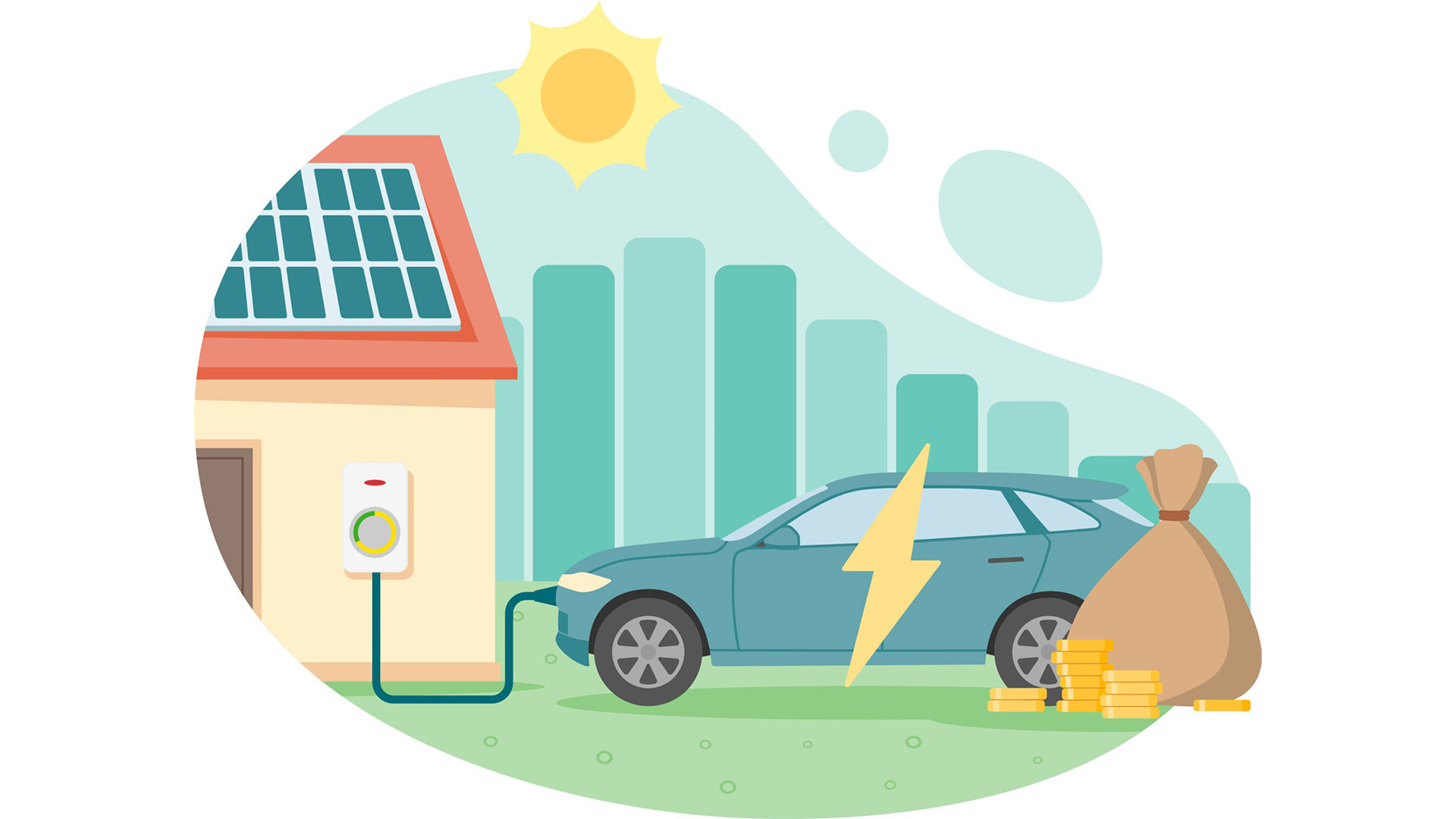 | This is where Aussie homeowners really win. During the day, your EV acts like a big appliance that can soak up solar. This is where Aussie homeowners really win. During the day, your EV acts like a big appliance that can soak up solar you’d otherwise export. As a result, you dramatically increase self‑consumption and cut fuel costs. For example, grid charging often works out around a few dollars per 100 km, while solar‑led charging can push your cost close to zero, depending on your system and tariff. Moreover, time‑of‑use tariffs (with off‑peak and shoulder periods) and controlled‑load options in some states can deliver further savings when the sun isn’t shining. With the Fronius Wattpilot, you can prioritise surplus solar first, then top up from the grid during off‑peak windows. Therefore, your panels become your own renewable “servo.” |
9) Let intelligent charging modes do the work
Modern chargers can automatically choose the cheapest energy, follow your charge limit, and respond to your home’s available power. Moreover, they can coordinate with solar output, household loads, and network limits. With Fronius Wattpilot, you can pick modes for “solar surplus first,” time‑of‑use savings, or simple “get me ready by 7am.” As a result, you spend less time fiddling with settings and more time just driving.
10) Keep an eye on things with apps
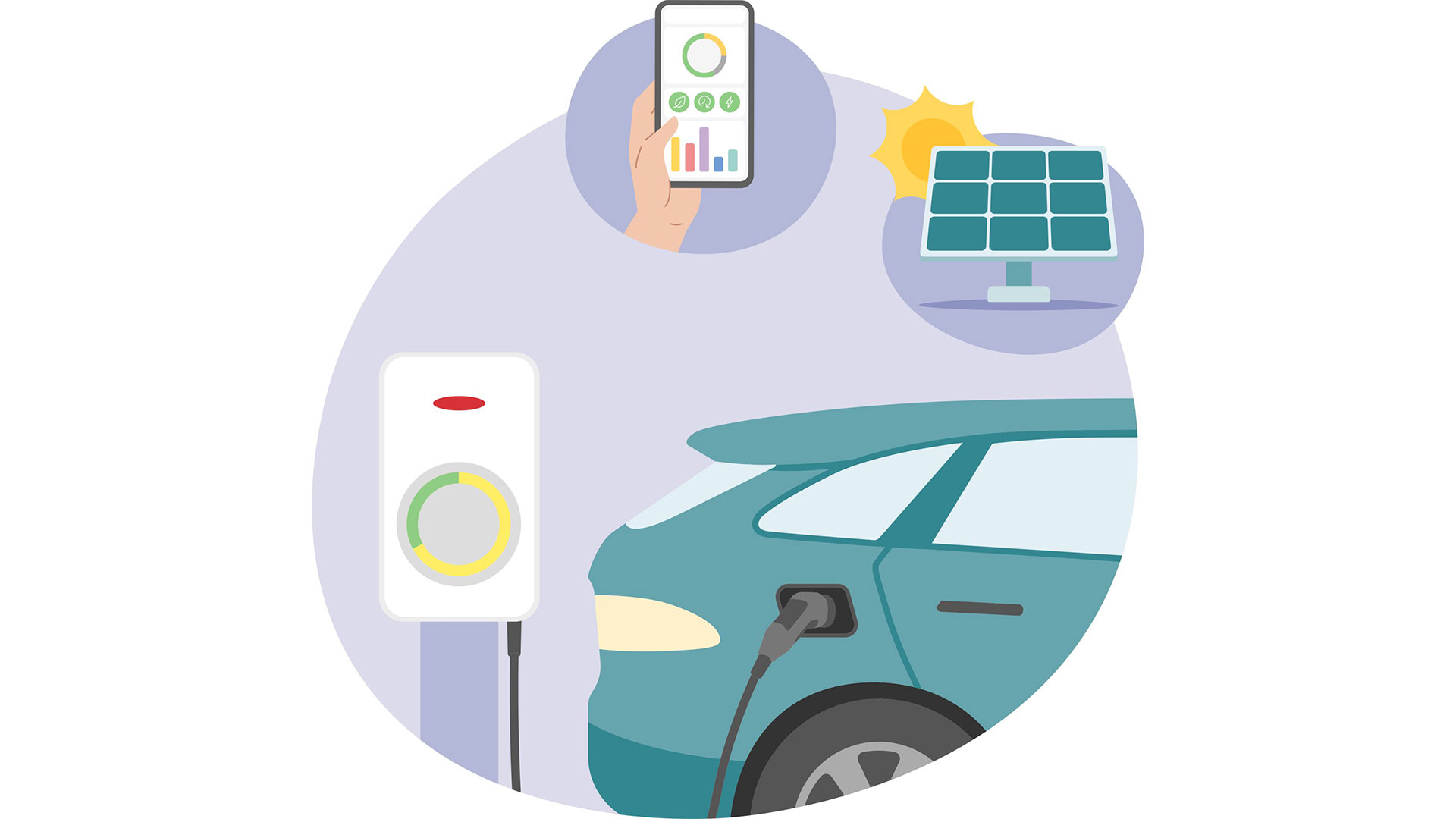 | A good app shows real‑time power, energy consumed, charge rate, and battery percentage. Additionally, it flags unusual behaviour early, like interruptions or overheating. Meanwhile, usage history helps you fine‑tune routines, perhaps shifting more charging into sunny hours, or nudging your limit from 90% back to 80%. Therefore, you get better performance and lower costs over time without guesswork. |
Why charging at home makes financial sense
Charging at home is typically far cheaper than petrol. Moreover, pairing an EV with rooftop solar amplifies the savings because you’re using energy you’ve already generated. For example, many households see driving costs of only a few dollars per 100 km from the grid, and often less with solar. Additionally, routine maintenance on EVs tends to be lower thanks to fewer moving parts. As a result, the total cost of ownership keeps trending in the right direction, especially for families driving around 15,000 km a year. Meanwhile, Australia’s public charging network continues to expand, which makes road trips easier every year. However, day‑to‑day charging at home remains the most convenient and economical option for most households.
Conclusion: Charge smarter, save more, and protect your battery
Charging an EV well isn’t complicated. However, a few habits go a long way: keep to the 20–80 range when you can, avoid frequent deep discharges, and lean on slower AC charging at home. Moreover, use your solar first, take advantage of cheaper tariffs, and let intelligent modes automate the rest. As a result, you’ll lower costs, protect battery health, and enjoy confident range, without changing your life to suit your car. In short, the smarter you charge, the further your money and your kilometres go.
 | Have solar at home? Discover how much cheaper life gets when you drive an EV in this blog article. |