

Switching on the light, charging your cell phone, and even flushing the toilet, things that we all take for granted. But what happens when the power suddenly cuts out and the socket becomes a useless ornament from one moment to the next? In this article, we shine a light on the topic of blackouts.
What is a blackout?
Short-circuit response: A short circuit can quickly occur in a household, for example due to defective components, brittle insulation or water damage. This kind of localised outage is usually short-lived, and repairs can be made relatively quickly.
A blackout is when the power supply fails over a wide area across suburbs, cities or even entire states due to a system-wide infrastructure failure. It affects both private households and the public sector.
Everyone feels the consequences: there’s no light, heating or cooling; PCs, the internet, and mobile phones stop working; ATMs and cash registers are out of order. Even the water supply and wastewater disposal are affected, depending on the system and the duration of the blackout. Street lights, traffic lights, and elevators break down and many more services simply go dark. When all electrically powered systems drop out, public life quickly comes to a virtual standstill.
It’s gone dark—but it’s not always a blackout
Important: Although the terms power failure and blackout are often used interchangeably, they differ primarily in their extent, duration, and consequences. Power failures or outages can also last for several hours especially after powerful storms although “only” certain suburbs or regions are affected by the interruption to the power supply for a limited period of time; in principle, the grid remains largely intact and controllable. One example of this is a transformer failure in a particular district.
In contrast, Blackouts are large-scale, long-lasting outages. Restoring supply requires complex measures such as restarting black-start capable power stations and carefully rebalancing sections of the grid. A long-lasting, widespread outage across one or more Australian states, like the 2016 South Australia statewide blackout, where a once-in-50-years storm damaged transmission towers, triggered cascading failures including wind farm shutdowns and the loss of the interconnector to Victoria is a good example of this.
Here’s a brief comparison:
| Feature | Power failure | Blackout |
| Extent | Local or regional | Statewide or multi-state |
| Duration | Minutes to a few hours | Hours to days |
| Causes | Technical faults, maintenance, storms | System failure, network overload, cyber attacks, natural disasters |
| Consequences | Limited impact | Major disruption to infrastructure and supply |
| Grid stability | Largely intact | Grid collapse |
| Restoration | Possible relatively quickly through grid operators | Complex, staged restoration |
| Example | Substation or transformer fault | 2016 SA blackout |
–
What causes a blackout?
It is rarely possible to attribute a blackout to one cause alone; the interaction of several factors makes the reason for the total failure just as complex as its consequences.
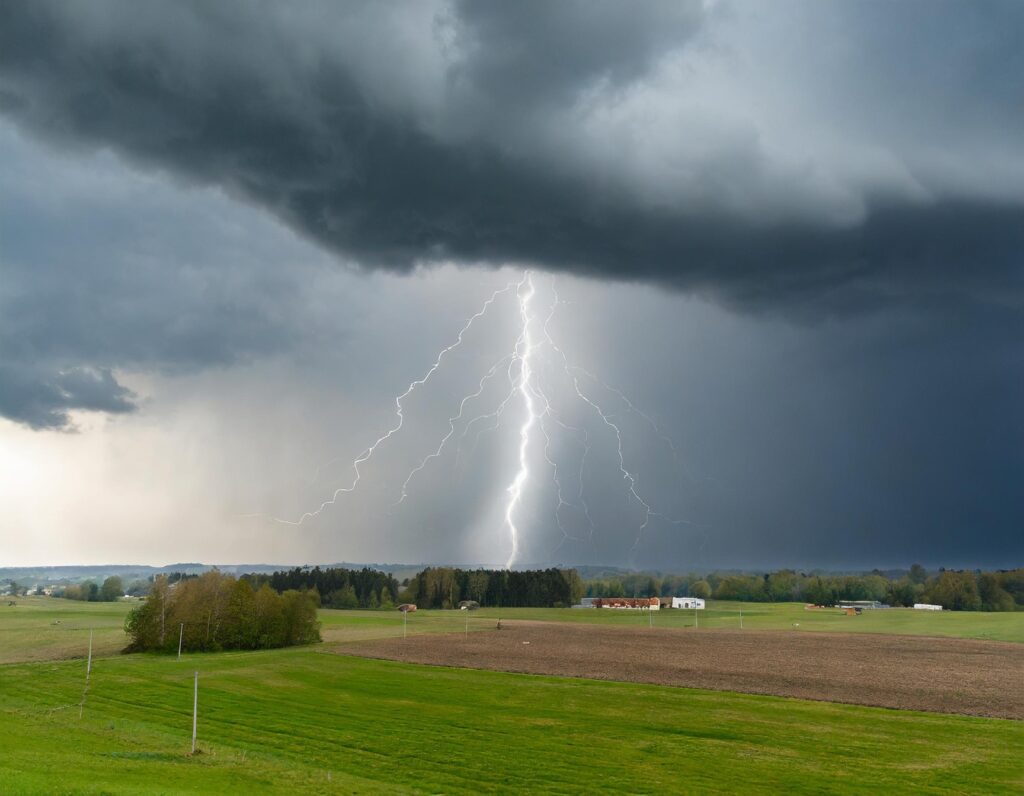
Natural disasters and extreme weather conditions are increasingly putting the resilience of Australia’s power infrastructure to the test and can even destroy it. Transmission towers and powerlines are regularly threatened by bushfires, cyclones and severe storms, which can bring them down or leave them unsafe for use. Repair work under these conditions is dangerous and often time-consuming.
Extreme heatwaves, on the other hand, can drive sudden peaks in electricity demand as millions of homes and businesses rely on air conditioning, pushing the grid close to its limits. At the same time, heat, storms or smoke haze can reduce renewable generation, adding further strain to supply. These fluctuations highlight why flexible and efficient grid regulation is essential to maintaining stability.
–
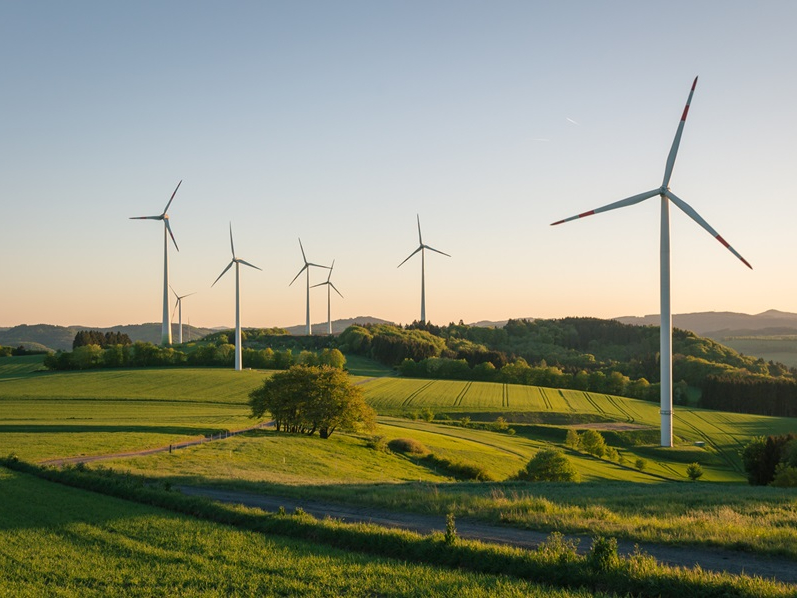
In addition, the integration of renewable energies poses an additional challenge because these are in addition, the integration of renewable energies poses an additional challenge because these are often produced decentral and are dependent on the weather, making both the production and feed-in forecasts, and the control of electricity flows somewhat more complicated. Nevertheless, the benefits of renewables clearly outweigh the risks, especially in times of climate change.
–
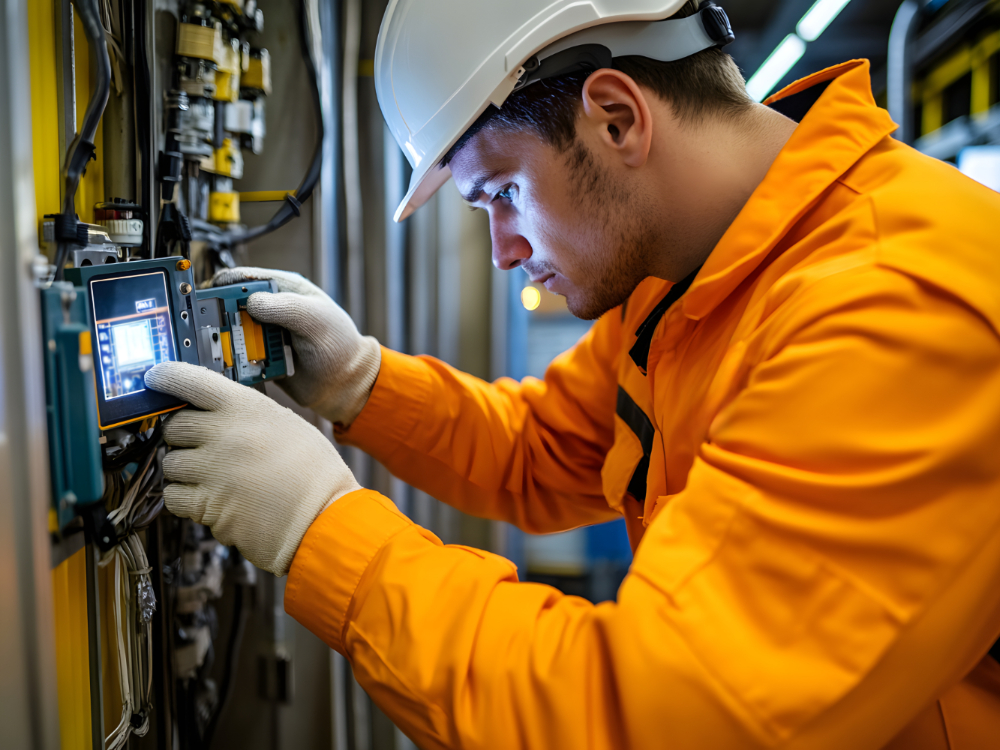
Like all complex systems, Australia’s power grid is also prone to faults. Technical issues such as turbine damage, ageing equipment, or switching faults, as well as human error during operation or maintenance, can all trigger significant problems. Because the National Electricity Market (NEM) is so interconnected, an issue in one state or at a single generator can quickly have flow-on effects elsewhere in the system.
–
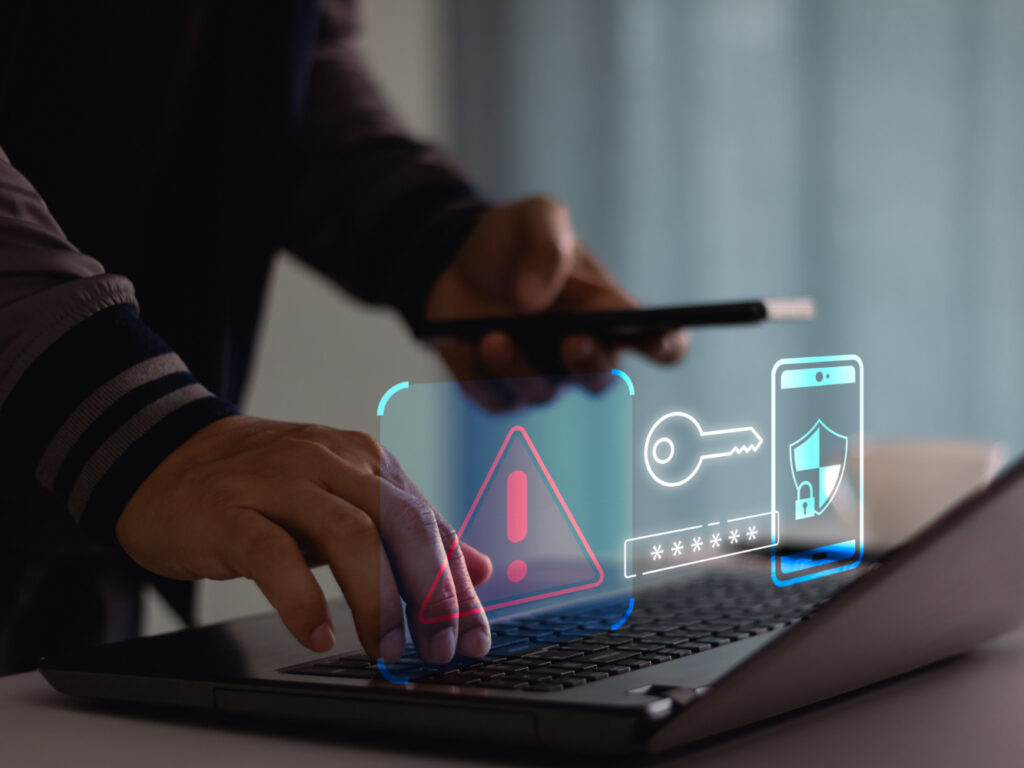
Hackers can cause significant damage with targeted cyber attacks on network or power plant control systems. These not only lead to instant power failures and even blackouts, but also to long-term hardware and structural faults that are difficult to identify or rectify. It’s therefore important to pay attention not only to robust system components, but also to secure energy infrastructure and data protection in particular.
–
Power supply in Australia
The National Electricity Market (NEM) connects Queensland, New South Wales, Victoria, South Australia and Tasmania. Western Australia and the Northern Territory run on their own separate systems.
The NEM runs at a frequency of 50 Hertz, with a normal operating band of 49.85 to 50.15 Hz. Brief deviations outside 49.5–50.5 Hz can be tolerated, but if the grid drifts further, protective systems automatically disconnect parts of the network to prevent widespread damage.
In some cases, deliberate load-shedding or supply interruptions may be carried out to stabilise the grid. Australians sometimes refer to this as a “brownout,” but technically this term also describes household-level voltage dips.
–
Reliability starts with good planning
One thing is clear: a blackout is a scenario that nobody wants to experience. However, with the right preparation uncertainty is replaced by certainty.
- Households can get ready with simple steps: keeping torches, spare batteries, a battery-powered radio and charged power banks. Backup energy solutions, like solar and storage systems, can also ensure security of supply when the grid goes down.
- Authorities and operators: AEMO, state governments and the SES provide guidance on preparedness and emergency response, ensuring communities are supported during outages.
Sophisticated energy solutions particularly solar and battery systems are key to resilience, keeping the lights on when the unexpected happens.
Check out this blog post and discover which components are the true heroes when a power failure happens.