Three perspectives. One smarter solar journey.
Thinking about solar can feel exciting. However, it can also feel oddly overwhelming. One minute you’re picturing lower bills, and the next you’re decoding quotes, warranties, and battery options.
That’s why we created this series — Three perspectives. One smarter solar journey. Instead of adding more noise, we’re sharing real conversations that help you make clear, confident choices.
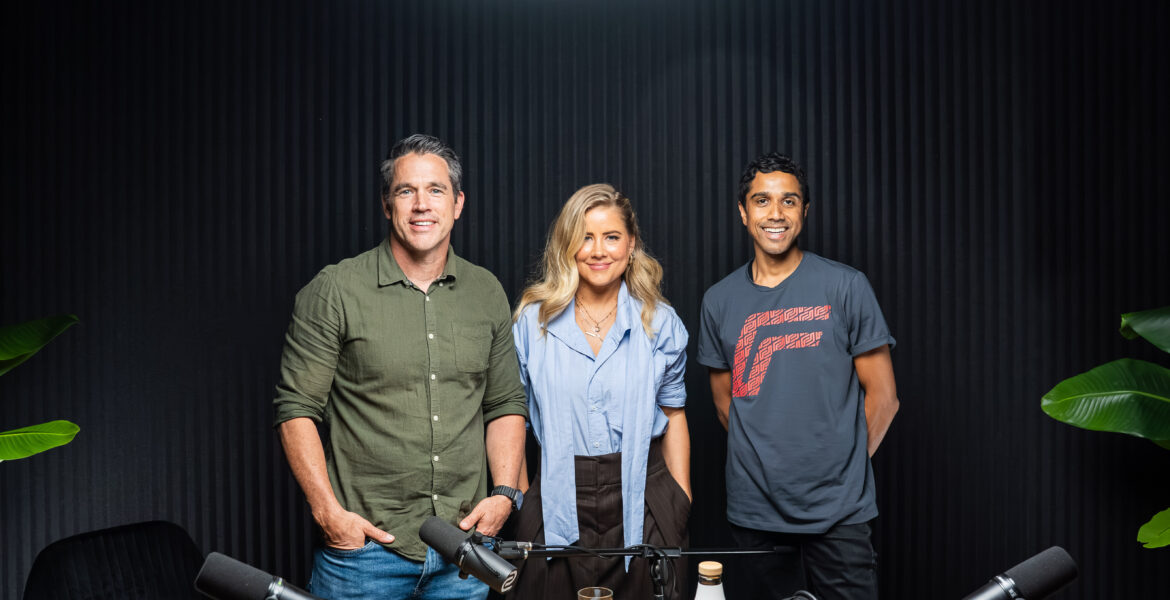
In this episode, hosts Michael and Carlene Duffy chat with Patrick (Pat) Pragasam from Fronius Australia about what homeowners should focus on first and what matters most over the long run.
Ready to watch?
Hit play on the episode below with Michael and Carlene Duffy and Pat Pragasam
What You’ll Learn
Meet Pat: The “why” behind the expert

Pat’s path into solar is a great reminder that the best advice often comes from people who care about outcomes, not hype. He didn’t start in the solar industry. Instead, he came from environmental science and shifted into renewables because he wanted work that felt meaningful and future-focused.
Today, Pat leads Fronius Australia’s installer education, delivering hands-on training, webinars and explainer videos that help installers (and homeowners) understand how solar systems, products and features work in the real world.
Why “warranty” isn’t the whole story
Most people compare solar quotes by looking at price first, then warranty length. However, Pat suggests a smarter question: who will actually back that warranty later? He puts it bluntly:
“You’ve also got to remember a warranty is just a piece of paper. Is the company actually going to be there to back it?”
That’s worth sitting with. Solar is a long-term investment. Therefore, the real aim isn’t just “a long warranty.” It’s long-term support from a brand that’s built to last.
Why Fronius’ history matters for homeowners
Fronius has been around since 1945, and that longevity isn’t just a trivia fact. Instead, it signals something homeowners should care about: stability.
Pat explains that Fronius isn’t a one‑product business. Today, the company operates across two core areas: Solar & Energy (which includes charging solutions) and Welding. As a result, Fronius isn’t relying on a single boom‑and‑bust market cycle.
In short, that kind of staying power can matter when you’re buying something you expect to run for a decade (or more).
Built for Australia: Why heat matters more than you think
Australia is a great place for solar. However, it’s also a tough place for electronics. Heat is one of the biggest long-term stressors for system components, especially when they’re working hard day after day.
That’s why Pat highlights cooling and heat management as part of reliability. Put simply, electronics tend to last longer when they run cooler and they’re less likely to dial back performance on hot days. As Pat puts it:
“When an inverter stays cooler, it performs more consistently — especially on hot days — and it’s more likely to last longer.”
So, while it’s easy to get distracted by specs on a brochure, real performance is often shaped by how well hardware handles real conditions, like long summers and hot afternoons.
Solar’s next chapter: Batteries + software + control
For years, solar felt like “install it and forget it.” Meanwhile, the industry has moved fast. Now, solar is increasingly about how you manage energy, not just how you generate it.
Pat expects the next phase in Australia to include:
- more batteries, as storage becomes more common
- more software tools, giving homeowners more control
- smarter energy systems that interact with pricing and the grid
One concept Pat explains well is a Virtual Power Plant (VPP), essentially a way to coordinate lots of small home systems so they can act like one bigger power source:
“Think of a VPP as a software ‘control centre’ that connects to lots of homes with solar and batteries. It helps manage when energy is stored, used, or sent to the grid, almost like a power station, just spread across many rooftops.”
In other words, the future isn’t only solar on your roof. Instead, it’s solar working as part of a smarter, more responsive home energy system.

Batteries: AC vs DC
Battery discussions can get technical quickly. However, the difference becomes simple once you think about conversions.
A DC‑coupled battery works with a compatible hybrid inverter and generally reduces conversion losses. Therefore, it’s often the more efficient pathway.
An AC‑coupled battery sits on the AC side of your system, which usually means the energy gets converted more times as it moves in and out of storage. Each conversion wastes a small amount of energy, so overall efficiency can be slightly lower. Pat’s bottom line
“A DC‑coupled battery is usually more efficient, because it avoids extra conversion steps.”
This doesn’t mean one option is always “right.” Instead, it means the best choice depends on your system, your goals, and your upgrade plans.
Installer choice: The step that makes or breaks outcomes
If solar is a long-term investment, the installer is the person setting the whole system up for success. And while it’s easy to get stuck comparing brands, Pat says the smarter first step is choosing someone you can genuinely trust. As he puts it
“The first step is to find a reputable solar installer. And I can’t stress the word reputable strongly enough.”
A quality installer should ask about your usage patterns, household needs, and future plans. For example, if an EV or battery is likely later, that should shape today’s design decisions.
On the other hand, if the conversation feels pushy or cookie‑cutter, that’s a warning sign. The goal is a system that fits your life, not a system that simply fits a promotion.
Data security: The topic most people forget
Solar systems are connected devices now, which means security matters. And while it’s not the first thing most people ask about, it’s becoming more important as monitoring apps and smart controls become standard. Put simply, energy data can reveal patterns, like when a home is usually occupied. As Pat explains
“Your energy usage patterns can unintentionally reveal routines — for example, when someone’s likely to be home — which is why data security and privacy matter.”
In short, it’s worth choosing solutions that treat privacy and security as part of overall quality, not as an add-on.