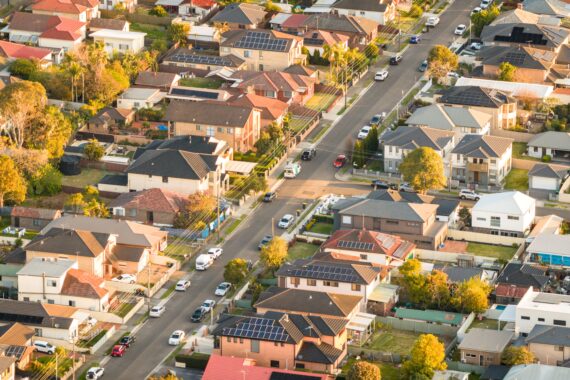
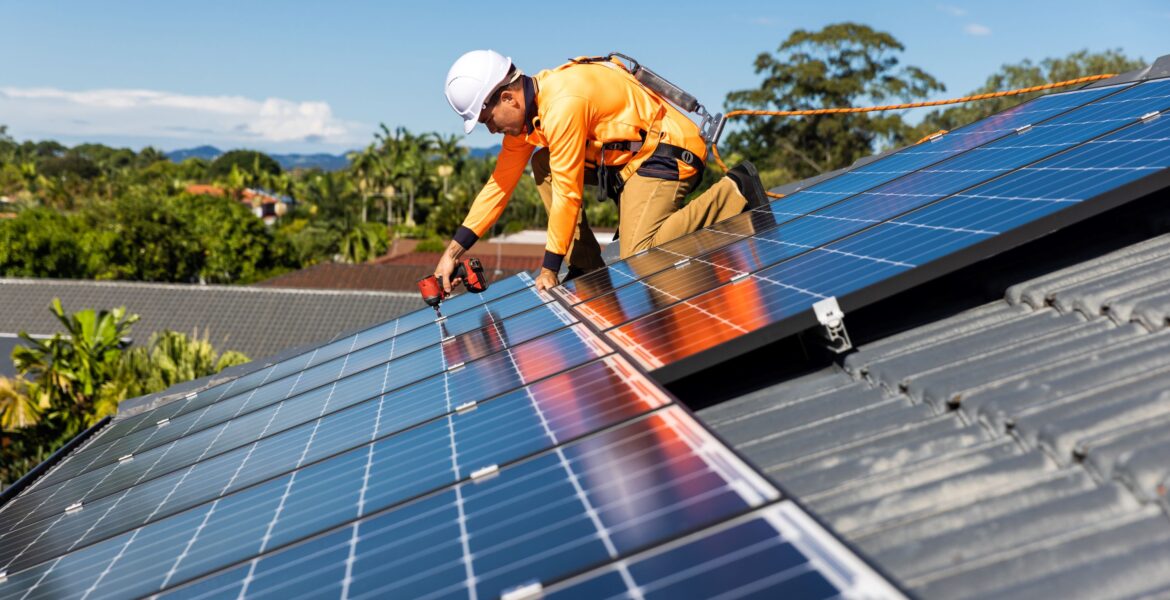
Solar energy is now a part of many Australian homes. By using rooftop solar panels, households can generate their own electricity from the sun and reduce their reliance on the grid.
Many homeowners ask: how do solar panels work, and what actually happens when sunlight hits the roof?
We believe that understanding the basics is the first step toward energy independence. This knowledge allows you to compare systems with confidence and decide which solution fits your home. While the technology is sophisticated, the way a residential solar system works is simple.
What is solar power?
Solar power is electricity generated from sunlight using photovoltaic (PV) technology. In Australia, we use rooftop panels to capture this energy and convert it into usable electricity.
The term “photovoltaic” describes the process of turning light (photo) into electricity (voltaic).
A complete home solar power system generally consists of:
- Solar panels: Capture the sunlight.
- A solar inverter: Converts the energy.
- Electrical switchboards: Ensure safety and distribution.
- Monitoring software: Tracks your performance via apps.
- Battery storage (optional): Stores energy for later.
These components form an integrated energy system that powers your appliances, lighting, heating and cooling.
How do solar panels work?
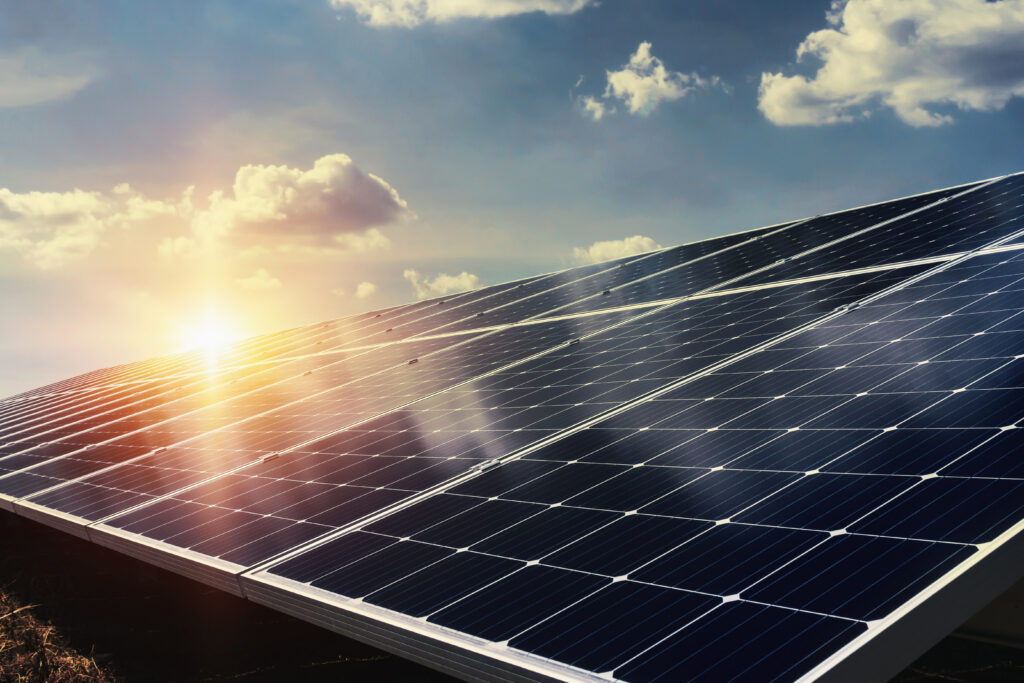
Solar panels are the core of every system. They contain photovoltaic cells made from silicon. When sunlight strikes these cells, it triggers an electrical reaction that generates direct current (DC) electricity.
Step-by-step: how solar panels generate electricity
- Capture: Sunlight reaches the solar panels.
- Absorption: Photovoltaic cells absorb the solar energy.
- Generation: The cells generate DC electricity.
- Conversion: The inverter converts DC electricity into AC electricity.
- Usage: Your home uses this electricity to power your daily life.
This process happens automatically whenever sunlight is available.
The science behind solar panels
Solar panels work because sunlight contains tiny particles of energy called photons.
When these photons strike the silicon cells inside the panel, they knock electrons loose and create an electrical current. This is known as the photovoltaic effect. We turn this natural process into a reliable power source for your home.
How does solar power work in Australia?
Australia has a high level of rooftop solar because of our unique climate and high solar radiation levels. We receive enough sunlight throughout the year to make rooftop solar a practical investment.
However, Australian systems must operate within local electricity network rules and specific environmental conditions.
Key factors that affect your solar performance
1. Sunlight availability
Generation depends on exposure. Homes with minimal shading and a good roof orientation produce the most energy.
2. Roof direction and angle
North-facing roofs generally capture the most consistent sunlight in Australia. However, east and west facing systems also perform well depending on when your household uses the most power.
3. Weather conditions
Solar panels need light rather than heat. They still generate electricity on cloudy days, though the output is lower than in full sunshine.
4. Local electricity network rules
Feed-in tariffs and export limits vary between states and retailers. We recommend confirming current conditions with your installer to improve your value.
What does a solar inverter do?
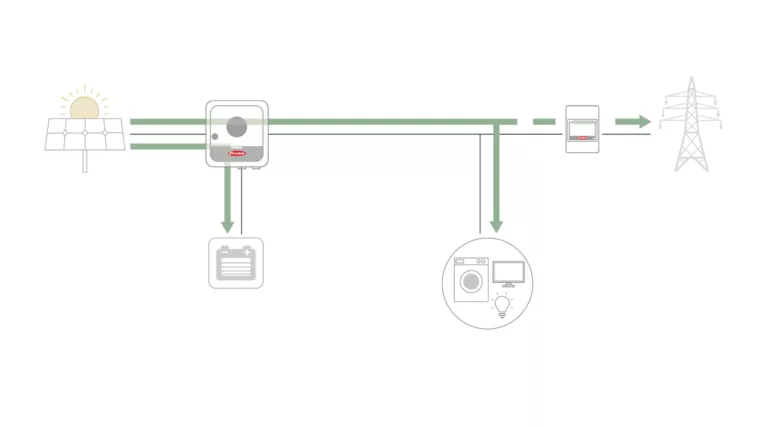
The inverter is the brain of your solar power system.
Solar panels generate direct current (DC) electricity, but Australian homes and appliances run on alternating current (AC) electricity. The inverter performs the critical task of converting DC into AC. Without a reliable inverter, the energy captured by your panels is not usable.
Why the inverter is key to your system:
- High Efficiency: It converts electricity with minimal loss.
- System Management: It manages overall performance and safety.
- Real-time Tracking: It allows you to monitor energy generation.
- Battery Support: It enables seamless battery integration.
Depending on your roof layout, you might choose string inverters, hybrid inverters or microinverters.
How does a home use solar electricity during the day?
Your home is designed to be smart. It prioritizes solar power first before drawing any electricity from the grid.
Your solar energy directly powers:
- Household appliances and electronics.
- Lighting and air conditioning.
- Device charging.
- Pool pumps or hot water systems.
If your system size matches your demand, you can significantly reduce your grid reliance during daylight hours.
What happens if solar produces more electricity than the home uses?
When your system generates surplus electricity, that excess energy is exported to the electricity grid.
Many Australian retailers offer feed-in tariffs, which provide credits for this exported energy. We encourage homeowners to review their current retailer terms, as these rates change over time.
What happens at night?
Solar panels only generate electricity when sunlight is available. At night, households generally:
- Draw electricity from the grid.
- Use stored energy (if a battery system is installed).
Pro Tip: To improve your direct solar consumption, move energy-heavy tasks, like the dishwasher, washing machine or pool pump, to daylight hours.
How do solar batteries work?
A solar battery captures the excess energy generated during the day. Instead of exporting all unused power to the grid, you store it to use at night or during peak pricing periods.
The battery storage process:
- Generate: Solar panels create electricity.
- Power: Your home uses the available solar energy first.
- Store: Excess electricity charges the battery.
- Deploy: Stored energy is used when the sun is not shining.
Battery systems increase your self-consumption. Suitability depends on your usage patterns and local tariffs.
Important considerations for batteries
To get the most value from a battery, look at:
- Capacity: Is the battery size right for your needs?
- Usage Patterns: When do you use the most power?
- Pricing: What are your current feed-in tariffs?
- Backup: Do you require power during grid outages?
Do I need a battery?
Not necessarily. Many Australian homes operate efficiently without one. Batteries are an optional upgrade based on your goals and budget.
How does the electricity grid work with solar?
Most Australian homes stay connected to the grid via a grid-connected solar system. The grid serves two main purposes:
- Reliable Backup: It provides power when solar production is low.
- Energy Destination: It accepts your excess exported energy.
Why grid connection matters
Remaining connected ensures you have power when solar generation drops during heavy storms, when energy demand spikes, or when batteries are empty. Solar works with the grid rather than replacing it.
What are the main parts of a solar power system?
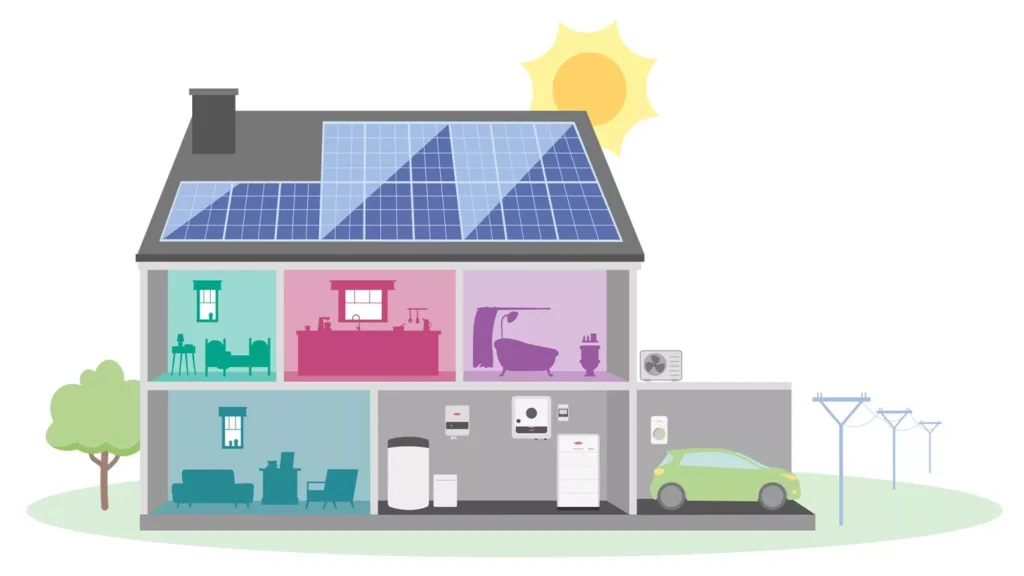
A residential solar system is a combination of several key components:
| Component | Purpose |
|---|---|
| Solar panels | Generate electricity from sunlight |
| Inverter | Converts DC electricity into AC electricity |
| Mounting system | Secures panels safely to the roof |
| Protection equipment | Ensures safe and compliant operation |
| Monitoring system | Tracks performance and energy flow |
| Battery (optional) | Stores excess energy for later use |
Long-term performance depends on the quality of these components and the standard of installation.
How efficient are solar panels?
Efficiency is the percentage of sunlight a panel converts into electricity. While modern panels are more efficient than older ones, real-world performance is influenced by:
- Roof orientation and angle.
- Shading from trees or buildings.
- Ambient temperature and dust accumulation.
- Installation quality and inverter efficiency.
Do solar panels work on cloudy days?
Yes. Production decreases compared to bright sunshine, but panels still generate electricity in overcast conditions. They rely on daylight, not heat.
Can solar panels reduce electricity bills?
Yes. Solar lowers your costs by reducing the amount of electricity you buy from the grid. Actual savings depend on:
- Total system size and household usage.
- Electricity and feed-in tariffs.
- The time of day you use your energy.
- Use of battery storage.
We focus on a tailored design to help you reach your specific savings goals.
What should Australian homeowners consider before installing solar?
To improve your value, we recommend evaluating these factors:
1. Roof suitability
Check the current condition of the roof, available unshaded space, orientation and structural integrity.
2. Energy usage patterns
Look at when you use the most power. Homes that use more power during the day can increase their direct solar consumption.
3. Installer quality
Your system is a long-term investment. An accredited installer is key for safety and performance.
4. System monitoring
Smart monitoring tools allow you to track your generation in real-time and find issues immediately.
Why system quality matters
A solar system is long-term infrastructure. To ensure reliability over the next 20 years, we suggest focusing on:
- Comprehensive product warranties.
- Verified installer accreditation.
- Manufacturer reputation and technical support.
- Advanced monitoring capabilities and battery compatibility.
Common misunderstandings about solar power
“Solar panels work only in hot weather”
False. Panels run on sunlight. Extreme heat can actually reduce efficiency slightly.“Solar means going off-grid automatically”
False. Most Australian homes stay connected to the grid for stability.“Bigger systems always mean bigger savings”
False. The most cost-effective system is sized for your specific usage.“Solar panels stop working on cloudy days”
False. Production drops, but they continue to generate power from diffused daylight.
Frequently asked questions
How do solar panels work Australia-wide?
Photovoltaic cells convert sunlight into electricity. Actual output varies based on your local climate, roof direction and network conditions.
How does solar energy work in a home?
Panels capture sunlight during the day and an inverter converts that energy for your appliances.
How does solar power work with the electricity grid?
Grid-connected systems allow you to draw power when production is low and export your surplus energy.
Conclusion
Understanding how solar power works helps you make informed decisions. Panels capture sunlight, an inverter converts it, and your home uses it to reduce grid reliance.
The focus is now on systems that are reliable, efficient and suited to local conditions. You ensure long-term value by choosing quality components and professional installation.
Find out more now by speaking with a qualified solar professional from our network and reviewing updates from: