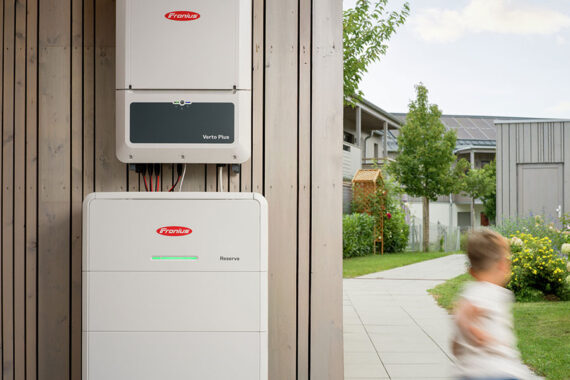

Plugs in place of gas pumps. Electricity in place of gasoline. Drivers who make the switch from combustion engine to electric vehicle “fill up” more cleanly, unaffected by gasoline odors and leaving a smaller carbon footprint behind them. We’re all familiar with charging cell phones, laptops, and similar, but how does ES charging actually work in everyday life? Read on to find out what you should look out for at the charging station, what equipment is a must, and how to make sure charging at private and public EV charging stations is particularly cost effective.
Onboard charger (OBC): The key technology for efficient charging
Before you really get started with your new electric vehicle, it’s important to understand how EV charging works and what determines charging power. By adapting your charging strategy to your driving habits, you can significantly extend the service life of the battery.
The onboard charger (OBC) is a permanently installed component in the electric vehicle that manages communication with AC charging stations and converts alternating current (AC) into direct current (DC) for the battery. Since EV batteries can only store direct current, the OBS acts as the critical link between the grid and the vehicle. The OBC serves as the link between the high-voltage battery in the electric vehicle and the grid, and determines the maximum AC charging power of the respective vehicle. For example, charging at 22 kW AC is only possible if both the wallbox and the vehicle’s onboard charger support it.
The OBC controls the entire charging process during AC charging and regulates vehicle charging based on factors including the voltage, amperage, temperature, and charging profiles. Although this makes the AC charging process slower than quick charging, it protects the battery and supports long-term battery health.
When charging at DC quick charging stations, on the other hand, the onboard charger is not involved because the direct current flows directly into the battery at high power—the charging process is many times faster, but not as kind to the battery.
Find out how to charge your electric vehicle economically and get the most out of your charging infrastructure in our 10 tips to increase range and battery life.
EV charging at home: Safe and efficient solutions

When charging my vehicle at home, many first-time buyers ask: Can I charge my EV using a standard household socket (230 volts).? technically yes, but it is not recommended for regular use. These earthed sockets are designed for household applications, which means they can only be loaded with the maximum nominal current of 16 amperes for a limited period of time.
Charging your own electric vehicle by plugging into a household socket for several hours could lead to overheating and ultimately even to a fire. To prevent this and to keep the risks to an absolute minimum, the charging current should not exceed 10 amperes. Furthermore, the slower charging time comes with higher charging losses—a definite downside of charging using a standard wall socket. This is where a dedicated EV wallbox, a charging station specially designed for electric vehicles, comes into its own.
Wallbox charging: Faster, safer and more efficient EV charging
Permanently installing an electric charging station at home pays off for several reasons. Compared to a normal household socket, the wallbox
- charges with considerably less charging losses
- achieves higher charging power
- usually contains standardized protection mechanisms, such as integrated AC or DC fault current detection, which make charging at home particularly safe.

As previously mentioned, household sockets are not designed for continuous charging, resulting in heat losses. This is not the case with charging boxes, which are designed for stable high charging currents (11 to 22 kW instead of the 2.3 kW with a household socket). These boxes also ensure a high degree of efficiency during current transfer thanks to better contact points—so-called type 2 plugs.
What’s more, wallboxes also impress with their ease of use:
- Permanently installed housing with charging cable
- Straightforward user interface for operation via app or directly on the device
- Manual or automatic selection of intelligent charging modes for particularly low-cost charging in combination with variable electricity tariffs
Depending on the utility and contract, this makes charging your electric vehicle at home more convenient and more cost effective than using public charging stations.
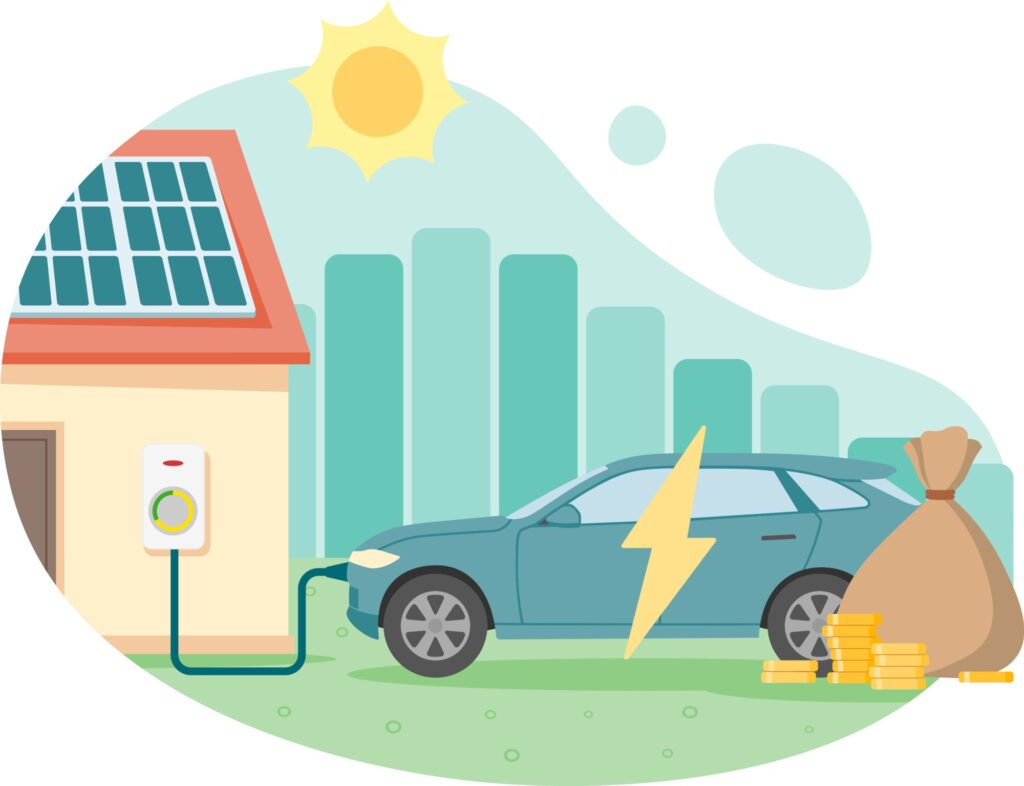
Filling up your electric vehicle with green electricity from your own PV system on the roof is not only the cleanest way to charge, but also the cheapest. PV-optimized charging boxes, such as the Fronius Wattpilot Flex, make ideal use of surplus solar power by automatically switching between 1-phase and 3-phase charging. Not a single ray of sunshine is wasted.
Charging with PV surplus is the most economical option for electric vehicle owners
INFORMATION BOX:
Single-phase or three-phase EV charging: What’s the difference?
Different forms of public grids and household grids exist around the world, whereby we distinguish between single-phase and three-phase grids. While the former have just one current-carrying conductor—the so-called phase, in three-phase grids there are three phases, which divide the current flow between them. Depending on the form of grid that a wallbox is connected to and how the electric vehicle is configured, it can be charged with either single-phase or three-phase.
Single-phase charging only uses one phase of the house connection; one conductor carries the entire current. A maximum of 16 amperes can flow here, resulting in a charging capacity of approx. 3.6 kW and meaning that the vehicle charges more slowly. With three-phase charging, the wallbox draws power from three conductors simultaneously and the vehicle charges significantly faster. This enables significantly higher charging capacities of 11 kW or 22 kW, depending on the installation and the vehicle’s onboard charger.
The actual charging power always depends on three factors:
– the nominal current of the fuse (i.e. the strength of the fuse that protects the wallbox supply cable)
– the charger installed in the vehicle, and
– the charging cable.
The wallbox ensures that the electricity is supplied in a way that is safe, controlled, and optimally tailored to the vehicle.
Important: The wallbox installation must always be carried out by a specialist company; they are liable for correct installation and must register the charging station with the utility.
One exception to this requirement is the Fronius Wattpilot Go, which can simply be plugged into a high-voltage socket.
Charging an electric vehicle on the road: What you need to know
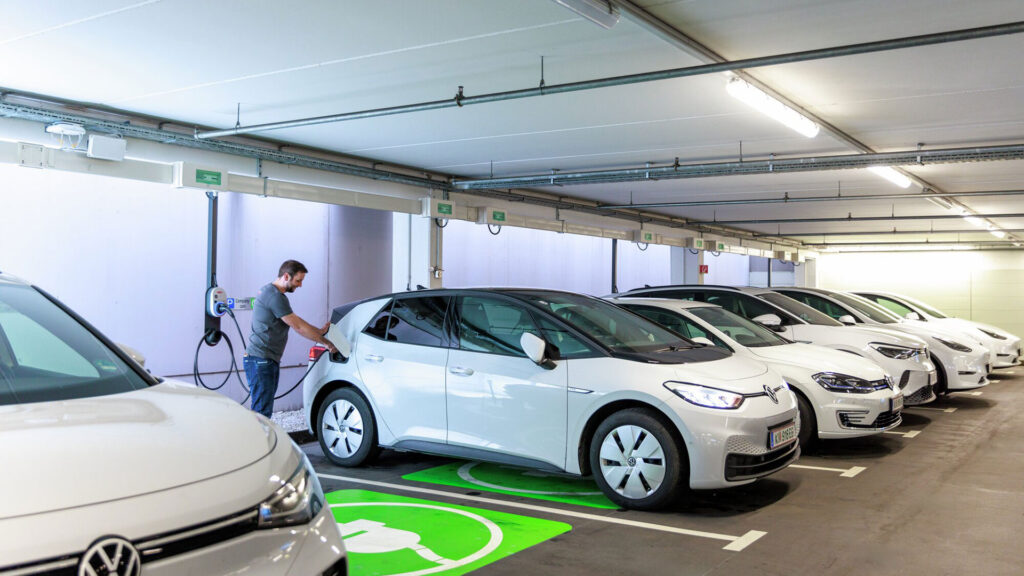
How can you quickly find an available EV charging station while traveling? And how can you charge your EV fast and cost-efficiently when you’re away from home? If you want to charge your vehicle using a public charging station, all you need is an overview of the charging stations in the area and a way of activating them.
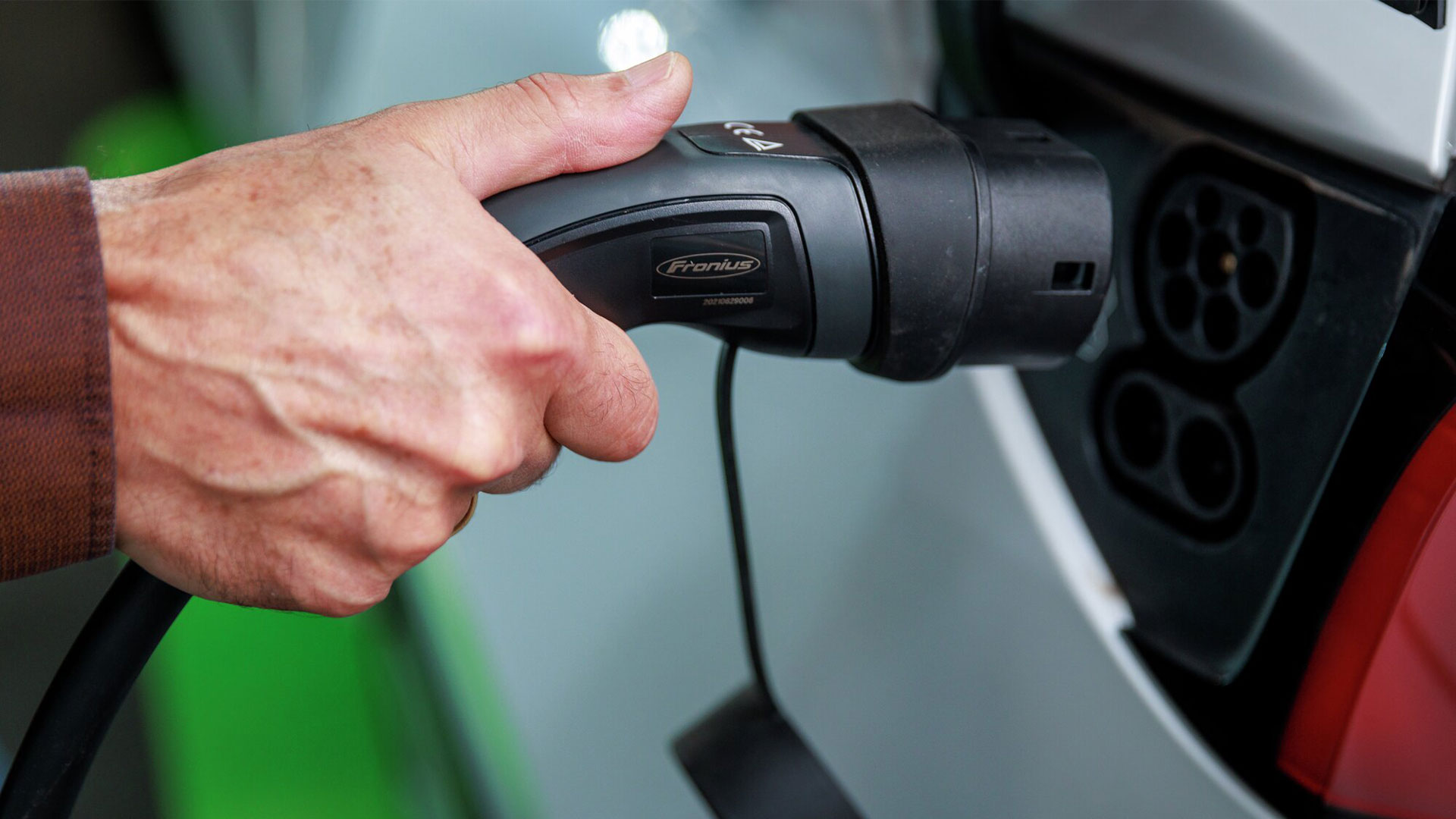 | A dedicated charging cable is an essential accessory. The majority of public AC charging points are not fitted with a permanent cable. For safety reasons, DC quick charging stations always operate with a permanent cable with double plug for the correspondingly high charging power. |
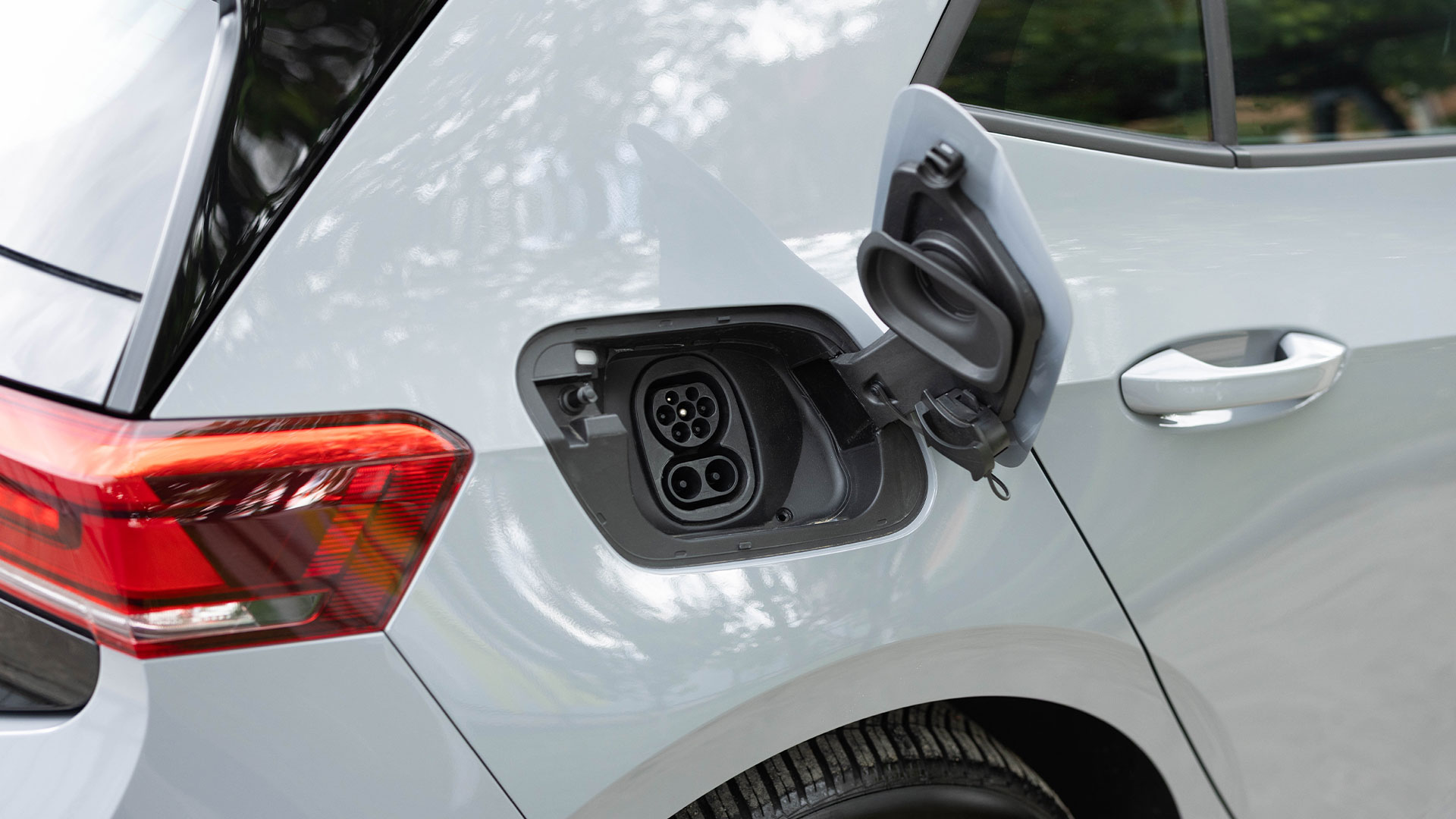 | The good news: almost every electric vehicle has both types of plugs installed as a combined charging socket—type 2 for normal charging and CCS for quick charging—and can therefore use the two most common charging plugs worldwide. Throughout Europe, all vehicles can charge at AC charging points using the standardized type 2 plug. |
Electric vehicles can usually be connected with both type 2 and CCS charging cables
The prices per kWh at public charging stations frequently vary greatly, which is why many electric vehicle drivers often use several charging cards or apps for a better comparison. Some owners prefer to use a single provider because this makes things clearer and is easy to manage throughout Europe.
If you travel a lot and usually charge away from home, you should consider a subscription with a basic fee—you will often find low kWh prices and access to a broad network. So-called “roaming” means that you can also charge at the charging stations of other operators using the charging card of a single provider.
Three ways to start a public EV charging session
App-based EV charging:
Select “Charge now” in the app, identify the charging station using the number, unlock it if necessary, and plug in the cable.
Charging card:
Hold up the card, wait for the enabled signal, plug in the cable.
Ad hoc charging:
Scan the QR code, open the website/app, and get started right away—payment is usually by credit card.

A customer profile stored with the respective provider is required for “Autocharge” and offers a practical charging option that is often offered in large e-charging parks: the vehicle charges automatically as soon as it is recognized—without an app or map. Another secure charging option that needs no card or app is “Plug & Charge” whereby the electric vehicle automatically identifies itself at the charging station using a digital security certificate. Once the vehicle has been plugged in, encrypted communication takes place between it, the charging station, and the charging provider; this automatically triggers the charging process including billing. However, very few electric vehicles currently support these functions.
No matter which option you choose, it’s always worth comparing prices: modern charging apps show the nearest free charging station together with the distance, availability, and current price per kWh. In the app, you can instantly see whether a charging space is available and what type of charging station it is:
AC charging station
AC charging stations are the most common type. They charge with alternating current, which makes them slower but easier to plan and calculate. The charging time depends on the amount of energy required and the charging power of the charging station:
Energy : Power = time
An example: An AC charging station delivers 11 kW and the car has a battery capacity of 60 kWh, meaning it takes around 5.5 hours to fully charge in one go.
The time factor is another way in which charging an electric vehicle fundamentally differs from the short “refueling stop” with a combustion engine car. However, if you plan the process accordingly, you can make good use of the charging time during working hours or for errands, training or a coffee break; your preferred charging environment (e.g., near a shopping mall) can be selected in the apps.
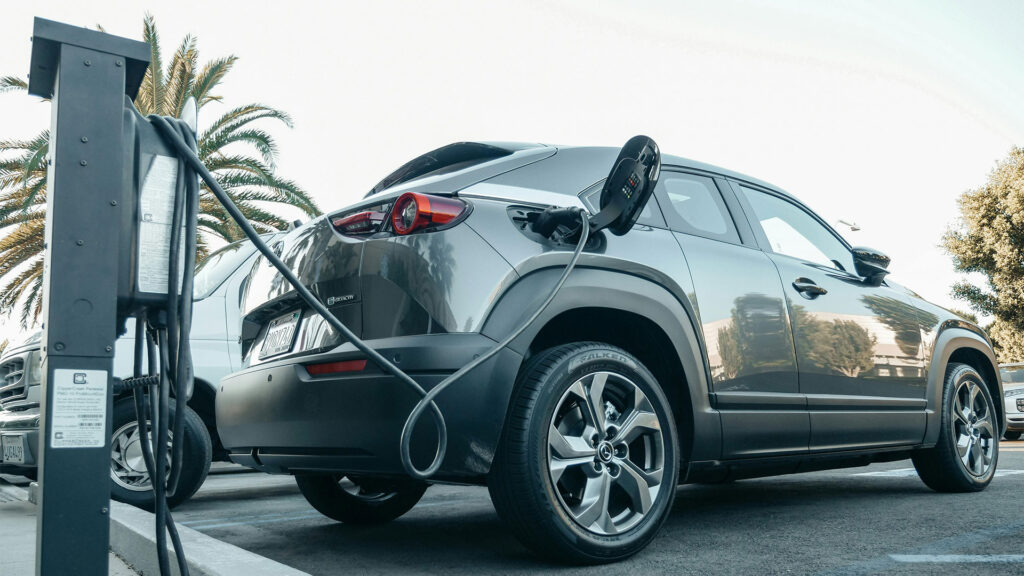
| Throughout Europe, all electric vehicles can charge at AC charging points using the standardized type 2 plug. You will need to bring the cable (type 2 charging cable) needed for the charging process and this will therefore become a permanent fixture in your trunk. Some providers charge a blocking fee for four hours or more during the day so that charging spaces are not unnecessarily occupied or misused as parking spaces. |
DC fast charging station: What you should know
When using a DF fast charging station, some preparations are important for quick charging because the battery should not be too warm or too cold. Lithium-ion batteries can only be charged at high power levels of 150 to 300 kW if they are at the optimum temperature; preconditioning helps to achieve this. Battery preconditioning ensures that the car battery is within the optimum temperature window of 25 to 40 °C, required for maximum quick-charging performance, by the time it reaches the charging station. The electric vehicle’s battery is either cooled down or heated up, depending on the outside temperature. Many electric vehicles start this function automatically as soon as a quick charging station is set as a destination in the navigation system, while others offer manual settings for this. However, this feature is uncommon in lower-cost electric vehicles.
 | Quick chargers are more expensive, but much faster. However, the actual charging power depends on the so-called charging curve: when the battery is almost empty and at a good temperature, it can absorb a lot of power—the charging capacity then increases significantly. However, as soon as the charge level is between around 50 and 70%, the battery management system reduces the power again. This is done deliberately to protect the battery and increase its service life. As such, it is more efficient to arrive at the quick charger with a low battery level and finish charging at 70 to 80%, because while around 170 kW is possible at the start of the charging process, the output often drops to around just 30 kW towards the end—and this costs unnecessary time. |
| The vehicle determines the charging capacity—not the charging station During the charging process, an electric vehicle only ever uses its maximum charging power (e.g., 70 kW) and therefore protects itself from possible overcharging at quick charging stations with a higher charging power (e.g., 350 kW). This is made possible by several protective mechanisms including current limitation and voltage limits. Quick charging stations require a connection with a CCS plug. These cables are permanently installed at the relevant stations so that vehicle owners don’t need to bring them with them. |
Conclusion: How to charge your electric vehicle at home and on the road
Armed with the right knowledge, EV charging is safe, simply, and efficient—whether you are charging at home with a wallbox or using public charging stations on the road. At the same time, making the change from combustion engine to electric vehicle also means changing driving behavior and “filling up” habits: charging is no longer considered a mere refueling stop, but can be meaningfully integrated into everyday life, for example during breaks, when shopping, or while at work.
Anyone who knows the technical basics, uses a suitable wallbox, and deliberately adapts their charging strategy to suit their own driving needs, will benefit from lower costs, greater convenience, and a longer battery life. In particular, the slower AC‑charging, intelligent charging modes, and using PV‑surplus electricity make electric vehicle charging both sustainable and economical. This in turn makes e-mobility not only suitable for everyday use, but flexible, forward-looking, and future-proof too.
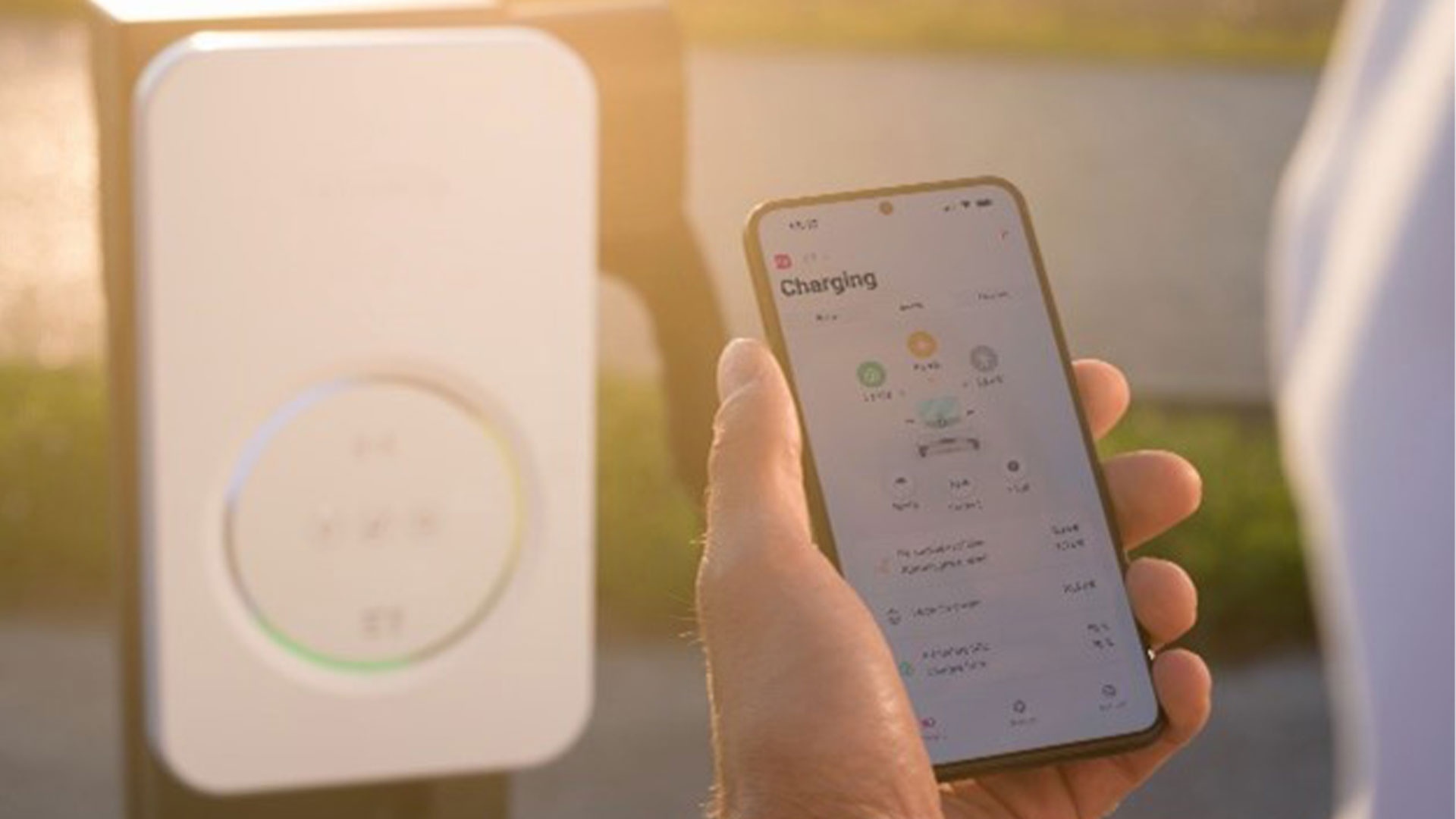 | Ready for more sunshine in your battery? With the Fronius Wattpilot Flex, you remain constantly in control of your e-mobility, while effectively saving costs with the PV-optimized charging box. Find out more now! |