Solar energy ranks among the cleanest and most sustainable sources of electricity available today. Yet a common question remains: if solar panels and inverters require raw materials, manufacturing, transport and eventually recycling, is solar energy actually good for the environment?
The short answer is yes.
Like any technology, solar systems have an environmental footprint. Manufacturers source raw materials, produce solar components and recycle valuable materials at the end of a system’s life. However, solar systems also generate renewable electricity for decades and help reduce reliance on higher-emission energy sources. According to a 2024 report from the Clean Energy Council, renewable energy growth since 2015 had already avoided more than 200 million tonnes of CO₂ emissions in Australia by 2023 and reduced electricity-sector emissions by around 30% compared with a scenario without new renewable energy investment. The report also projected cumulative emissions savings to exceed 340 million tonnes by the end of 2025. As renewable energy deployment has continued to expand since then, the actual emissions savings today are likely to be even higher.
To understand why solar energy continues to play such an important role in Australia’s energy future, it helps to look at the complete lifecycle of a solar system.
Australia is embracing solar at scale
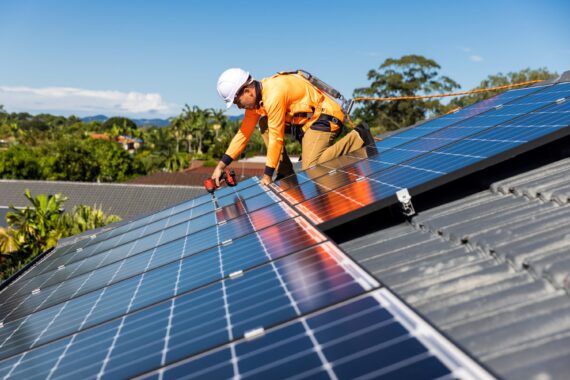
Australia is a world leader in rooftop solar, with more than 4.5 million homes and small businesses now generating their own solar power, reinforcing solar energy’s growing contribution to the country’s renewable electricity mix.
This matters because electricity generation remains one of Australia’s largest sources of emissions. The Climate Change Authority identifies electricity and energy as Australia’s largest emissions sector, accounting for approximately 35% of national emissions. As a result, Australia relies on expanding renewable electricity generation to accelerate its transition to a low-emissions future.
However, simply counting solar installations does not answer the environmental question. To do that, we need to examine what happens before, during and after a solar system operates.
Every solar system has a carbon footprint
One of the most common misconceptions about solar energy is that it has no environmental impact.
While solar systems generate electricity without direct emissions during operation, emissions occur throughout the broader lifecycle of the system. Raw materials need to be extracted, components manufactured, products transported and equipment eventually recycled. A lifecycle assessment considers all of these stages rather than focusing only on electricity generation.
This lifecycle perspective is important because it provides a more complete picture of the environmental impact of solar technology.
Where does solar energy’s environmental impact come from?
Raw Materials
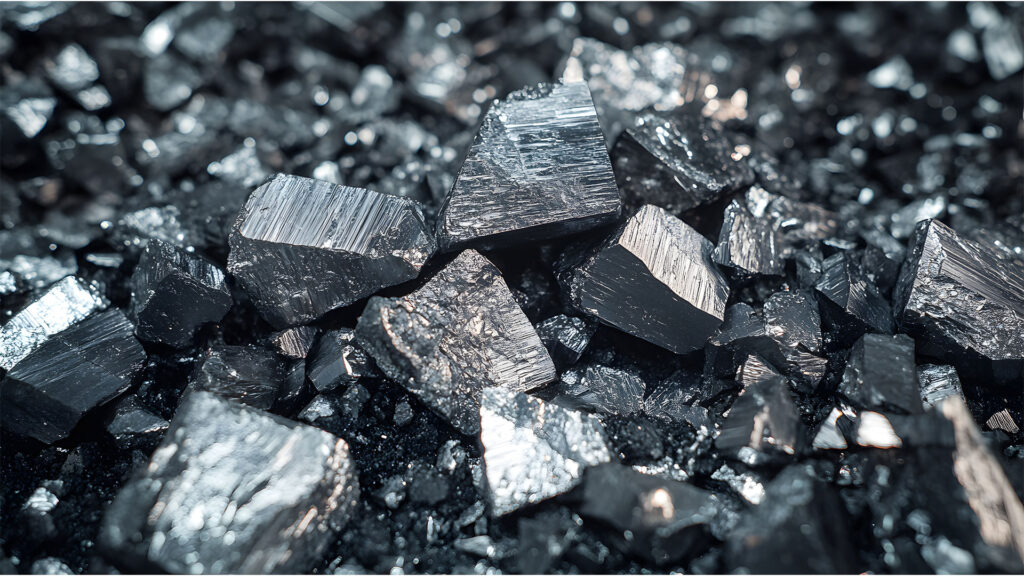
Solar systems contain a range of materials, including silicon, glass, aluminium, copper and silver. These materials are essential for converting sunlight into usable electricity and managing energy flow throughout the system.
Solar panels rely on several key raw materials, with silicon playing a central role. Manufacturers produce solar-grade silicon from quartz sand through an energy-intensive refining process. Glass makes up most of a solar panel, while aluminium, copper and precious metals are used throughout the panels and their electronic components.
Importantly, these emissions occur before the system begins generating renewable electricity. Therefore, the environmental impact of manufacturing should always be considered alongside the decades of clean electricity a solar system can produce.
Manufacturing
Like any energy technology, solar systems require resources and energy to manufacture. For rooftop solar systems in Australia, this primarily involves three key components: solar panels, inverters and, where installed, battery storage systems.
Of these components, solar panels typically account for the largest share of manufacturing-related emissions. Producing solar-grade silicon, manufacturing solar cells and assembling photovoltaic modules are energy-intensive processes that contribute to the upfront carbon footprint of a solar installation.
Inverters have a comparatively smaller manufacturing footprint. Taking Fronius as an example, the company reduces emissions by using recycled aluminium and renewable electricity in its manufacturing processes. This includes electricity generated by rooftop solar systems at its own production facilities. A lifecycle assessment of the Fronius Symo GEN24 10.0 Plus found that only 1.3% of the inverter’s total lifecycle emissions were attributable to the energy used during manufacturing.
Battery storage systems also require energy and raw materials to manufacture, including lithium, copper, aluminium and other materials used in battery cells and electronics. While batteries add to the upfront environmental footprint of a solar installation, they can also increase the use of renewable energy by storing excess solar generation for later use.
However, manufacturing is only one part of the story. Once installed, a solar energy system can generate renewable electricity for decades, helping offset the environmental impacts associated with its production. This is why it is important to assess solar technology across its entire lifecycle rather than focusing solely on manufacturing.
Transport
Transport is another factor that contributes to the overall environmental footprint of a solar system. In Australia, most solar equipment travels significant distances before reaching the installation site. Solar panels are typically manufactured in Asia, particularly China, while Fronius inverters and batteries are supplied from Europe. Naturally, longer transport routes require more energy and generate additional emissions.
However, distance is only part of the equation. The mode of transport also plays an important role. Air freight has the highest emissions intensity, whereas rail and sea freight can transport large volumes of goods far more efficiently, albeit with longer transit times.
Fronius reduces transport emissions by avoiding air freight wherever possible and using rail, road and container shipping instead. As a result, transportation contributes only a small share of a solar energy system’s overall lifecycle emissions.
Why Lifecycle Assessments Matter for Solar Inverters
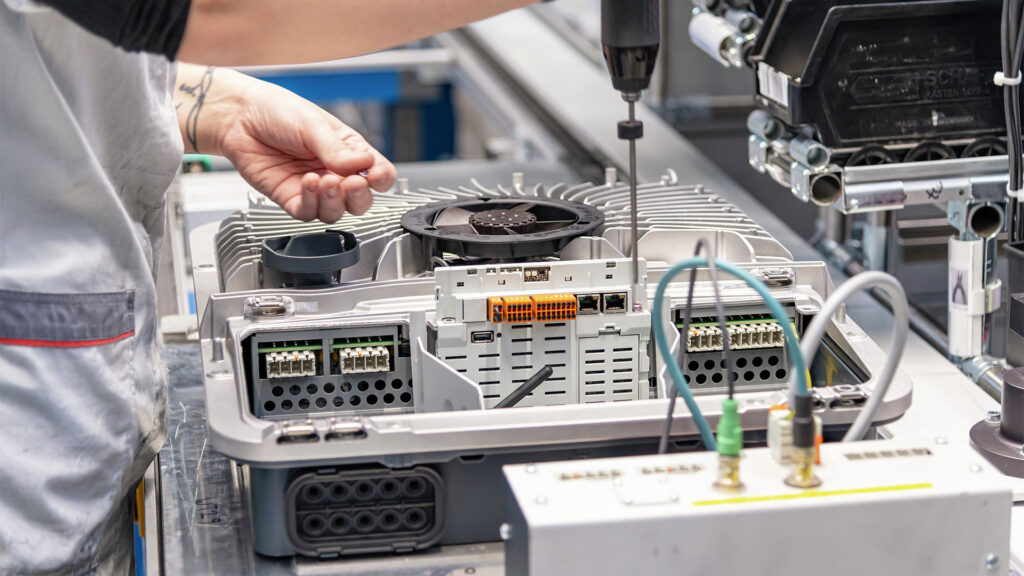
Solar panels typically receive most of the attention. However, the inverter is one of the most sophisticated components within a solar energy system.
The inverter converts solar-generated DC electricity into AC electricity that homes and businesses can use. It also manages energy flows between solar generation, household consumption and, where applicable, battery storage.
The lifecycle assessment of the Fronius Symo GEN24 10.0 Plus revealed an interesting insight: a component’s weight does not necessarily reflect its environmental impact. Semiconductor components account for only around 0.01% of the inverter’s weight, yet they are responsible for approximately 23.9% of the component-level carbon footprint. Similarly, capacitors and printed circuit boards contribute disproportionately to emissions relative to their weight, together accounting for around 18.5% of component-related emissions.
These findings demonstrate why lifecycle assessments are so valuable. They reveal where environmental impacts occur and help manufacturers identify opportunities for improvement.
Installation, Operation and Beyond: The Full Environmental Impact of Solar Energy
The installation and maintenance of a solar energy system contribute only a small share of its overall carbon footprint. While machinery, tools and vehicles are required during installation and servicing, the resulting greenhouse gas emissions typically represent only a minor portion of a system’s lifetime environmental impact.
Most homeowners think of solar systems generating electricity during daylight hours. However, the inverter continues to operate even when the sun is not shining.
At night, the inverter monitors the grid, maintains communication with connected devices and remains ready to resume operation as soon as solar production begins again. This ongoing functionality requires a small amount of electricity.
Typical night-time consumption ranges from 2 to 10 watts for an inverter-only system and approximately 20 to 200 watts when a battery system is connected. While these figures are relatively low, inverters operate continuously over many years. As a result, the electricity consumed during non-generating hours can accumulate and contribute to the system’s overall environmental footprint, particularly when that electricity is supplied by the grid rather than renewable energy stored in a battery.
A lifecycle assessment of the Fronius Symo GEN24 10.0 Plus found that more than 63% of the inverter’s total lifecycle carbon footprint was associated with electricity consumption during operation, including overnight standby consumption. This highlights the significant influence that local electricity generation mixes can have on the long-term environmental performance of solar technology.
While these impacts are small compared with the environmental benefits delivered through decades of renewable electricity generation, they demonstrate why it is important to evaluate solar energy systems across their entire lifecycle rather than focusing on a single stage such as manufacturing or installation.
What happens when solar equipment reaches end of life?
As solar adoption continues to grow, the responsible management of end-of-life equipment is becoming increasingly important.
The Department of Climate Change, Energy, the Environment and Water estimates that Australia could generate around one million tonnes of end-of-life solar panels by 2035.
Fortunately, solar panels contain valuable materials including aluminium, copper, silver, silicon and glass that can potentially be recovered through recycling processes. Research supported by the Australian Renewable Energy Agency (ARENA) is helping advance technologies that improve the recovery of these materials, reducing waste and supporting a more circular solar industry.
However, solar panels are only one part of a solar energy system. Inverters and battery storage systems also contain valuable resources that can be recovered and reused at the end of their operational life.
Solar inverters contain materials such as aluminium, steel, copper and electronic components that can be recycled through specialised e-waste and metal recovery programs. Similarly, battery systems contain valuable materials including lithium, copper, aluminium and other critical minerals that are increasingly being targeted for recovery through dedicated battery recycling initiatives.
As Australia’s renewable energy sector continues to mature, improving recycling pathways for solar panels, inverters and batteries will play an important role in reducing waste, conserving resources and further improving the environmental performance of solar energy throughout its lifecycle.
By considering not only how solar equipment is manufactured and operated, but also how its materials can be recovered at end of life, we gain a more complete picture of the long-term sustainability benefits of solar energy.
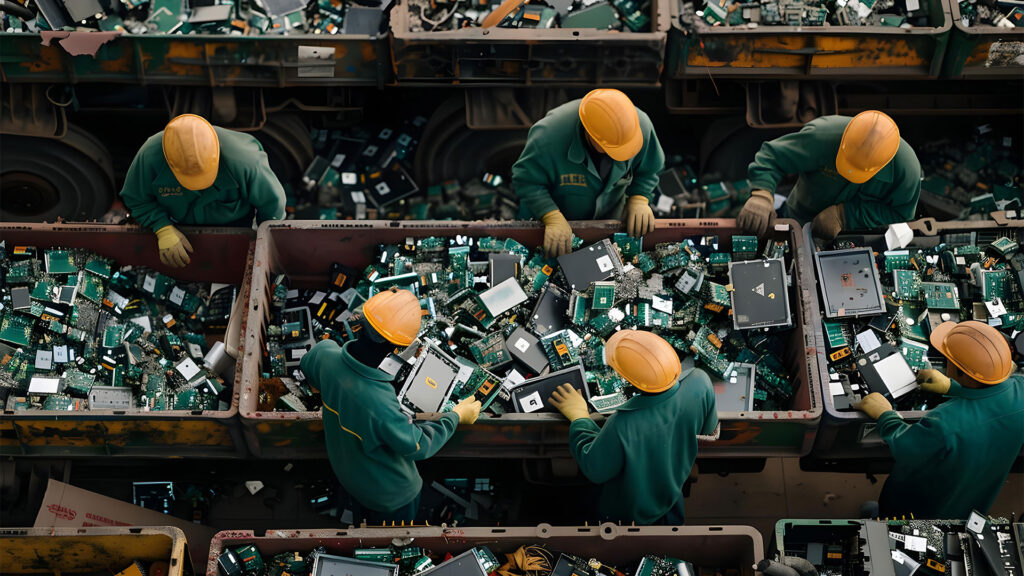
Australia’s Solar Recycling Future
Recognising the importance of solar recycling, the Australian Government has committed $24.7 million to a National Solar Panel Recycling Pilot. The initiative aims to improve collection, transport and recycling pathways while helping inform future national approaches to managing end-of-life solar equipment.
The pilot is expected to establish up to 100 collection sites and generate valuable data that will support long-term recycling solutions across Australia.
Recycling can also significantly influence environmental outcomes. According to the lifecycle assessment of the Fronius Symo GEN24 10.0 Plus, recovering metals at end of life generated a 20 kg CO₂-equivalent credit, illustrating the environmental value of returning materials to the manufacturing cycle rather than treating them as waste.
Why product longevity matters
One of the most effective ways to reduce the environmental impact of any technology is to maximise its useful life.
The longer a product remains in operation, the more value it can deliver from the resources, energy and materials used during manufacturing. For solar systems, this means generating renewable electricity over many years while minimising unnecessary replacement and waste.
This is why factors such as durability, serviceability and long-term support are important sustainability considerations when selecting solar system components.
From a lifecycle perspective, sustainability is not only about how a product is made. It is also about how long it continues delivering value.
The verdict: Solar energy delivers a strong environmental benefit
Solar energy is not impact-free. Raw materials must be extracted, components manufactured, products transported and equipment eventually recycled.
However, looking at the complete lifecycle reveals a much bigger picture.
Australia has one of the world’s highest rates of rooftop solar adoption, renewable energy is already reducing electricity-sector emissions, and governments, researchers and industry are investing in recycling solutions that support a more circular solar economy.
Meanwhile, lifecycle assessments such as those conducted on the Fronius Symo GEN24 10.0 Plus show that environmental impacts extend well beyond manufacturing and include operation, component design and end-of-life recovery. They also demonstrate how design choices, operational efficiency and recycling pathways can influence overall sustainability outcomes.
Ultimately, while solar systems do have an environmental footprint, lifecycle assessments consistently show that the environmental benefits of generating renewable electricity far outweigh the impacts associated with manufacturing, transport and end-of-life processing. As a result, solar energy remains one of the most effective technologies available to support Australia’s transition to a lower-emissions and more sustainable energy future.
Fronius Symo GEN24 10.0 Plus Life Cycle Assessment
Would you like to learn more about the environmental benefits of the Fronius Symo GEN24 10.0 Plus? You’ll find many more interesting facts and figures in our life cycle analysis.