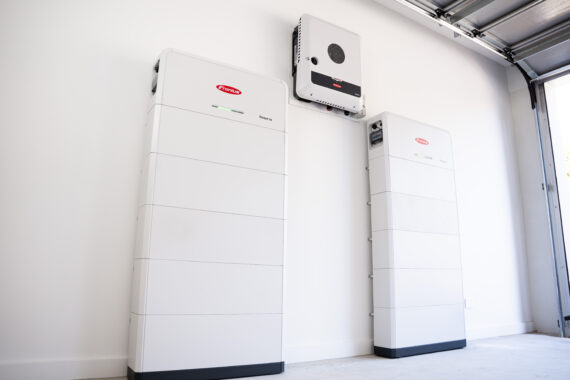
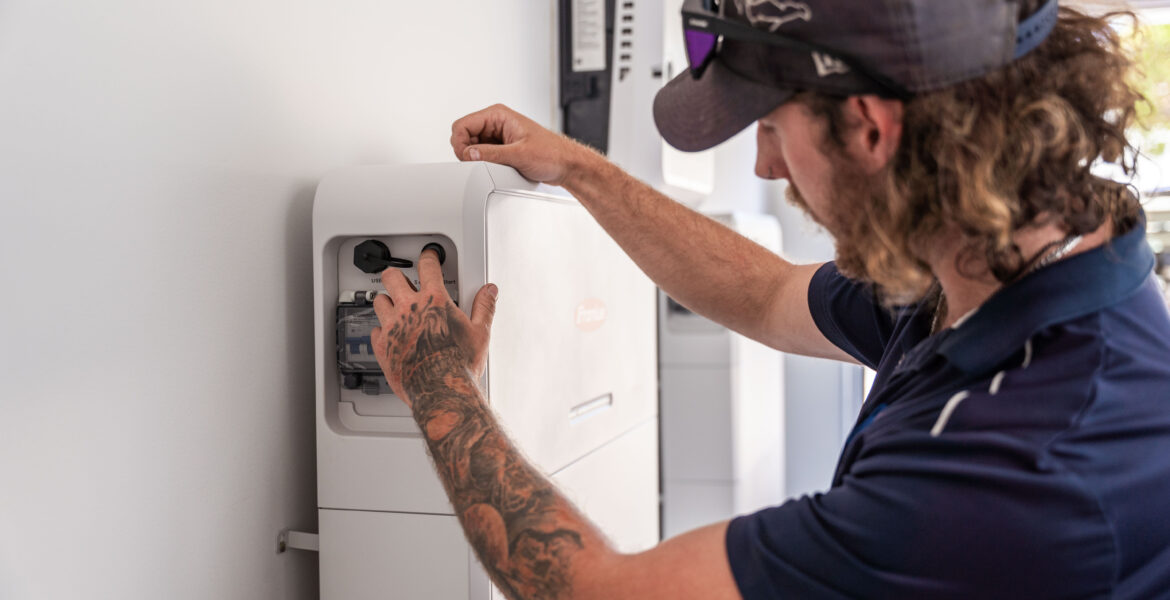
Australia’s energy market is changing quickly, and more homeowners are now looking at cheap home batteries and solar storage to reduce electricity bills. With rising grid prices and growing interest in energy independence, the updated solar rebates Australia landscape has become one of the biggest drivers of battery adoption in 2026.
The Federal Government’s Cheaper Home Batteries Program introduced major updates in May 2026, changing how the solar battery rebate Australia scheme works. These updates affect battery sizing, installation timing, rebate calculations, and long-term value for homeowners.
If you are considering solar storage this year, understanding the latest solar subsidy Australia rules can help you maximise savings and avoid costly mistakes.
What Is the Cheaper Home Batteries Program?
The Cheaper Home Batteries Program is part of Australia’s broader solar incentives Australia framework designed to encourage renewable energy adoption.
The program operates through the Small-scale Renewable Energy Scheme (SRES), where eligible systems generate Small-scale Technology Certificates (STCs). These certificates are typically applied as an upfront discount by the installer. The Clean Energy Regulator provides detailed guidance on eligible solar battery systems and STC requirements.
Although many people refer to the program as one of the main government solar battery rebates, it is technically not a cash payment. Instead, it reduces the purchase price of eligible systems at the point of sale.
This federal support is especially important because home battery prices remain one of the biggest barriers for Australian households entering the energy storage market.
Why the May 2026 Changes Matter
The battery rebate changes introduced on 1 May 2026 significantly altered how the program rewards different battery sizes.
The Rebate Is Now Tiered by Battery Size
The updated structure strongly favours average-sized residential systems rather than oversized installations.
| Battery Size | STC Support Level |
|---|---|
| 0–14 kWh | 100% STC factor |
| 14–28 kWh | 60% STC factor |
| 28–50 kWh | 15% STC factor |
This means the best value now typically sits within the 5–14 kWh range for most households.
The updated structure directly impacts people searching for:
- cheap home batteries
- government solar battery rebates
- solar battery rebate Australia
- home battery prices
Because rebate support drops sharply after 14 kWh, choosing the right size battery is now more important than ever.
The STC Factor Declines Every Six Months
Another major change involves the declining STC factor schedule. The rebate value now reduces every six months until 2030.
| Period | STC Factor |
|---|---|
| May–Dec 2026 | 6.8 |
| Jan–Jun 2027 | 5.7 |
| Jul–Dec 2027 | 5.2 |
| Jan–Jun 2028 | 4.6 |
| Jul–Dec 2028 | 4.1 |
| Jan–Jun 2029 | 3.6 |
| Jul–Dec 2029 | 3.1 |
| Jan–Jun 2030 | 2.6 |
| Jul–Dec 2030 | 2.1 |
Are Solar Rebates Ending Soon in Australia?
Technically no, but rebate values are steadily decreasing over time. That means households installing batteries earlier may receive substantially larger discounts than those waiting several years.
The important detail is that rebates are based on the actual installation date, not the contract signing date.
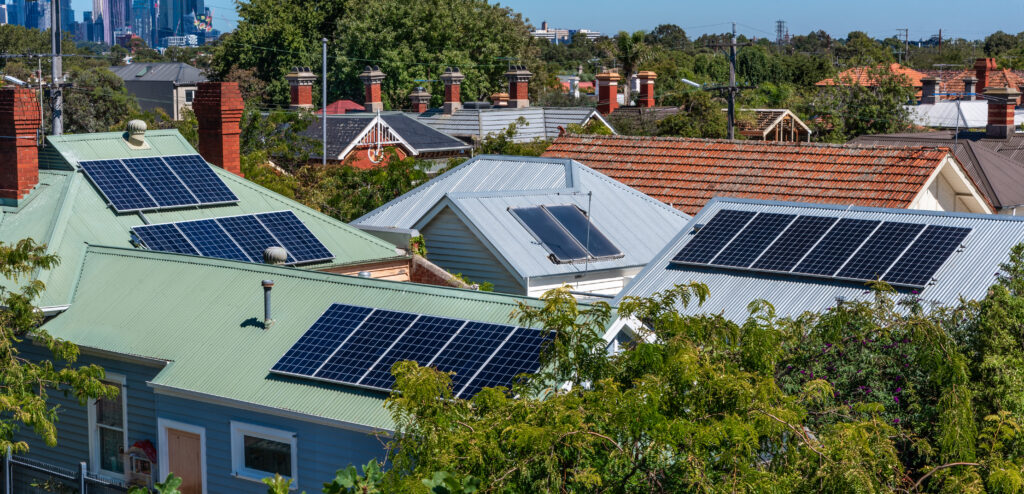
Who Qualifies for Solar Rebates in Australia in 2026?
To access the current solar battery rebate Australia program, systems generally must meet these conditions:
- Battery installed on or after 1 July 2025
- Connected to rooftop solar
- System capacity between 5–100 kWh nominal
- STCs only apply to the first 50 kWh usable capacity
- Grid-connected systems must be VPP-capable
- Installer and battery must appear on approved lists
Standalone batteries without solar panels usually do not qualify.
This qualification framework is now one of the central pillars of the updated solar subsidy Australia system.
How Government Solar Battery Rebates Are Calculated
The rebate calculation depends on:
- Battery usable capacity
- Installation date
- STC factor
- Battery size tier
- Current certificate market pricing
Because installers usually manage the certificate process, homeowners normally receive the savings as a direct quote/invoice reduction.
This is why comparing total out-of-pocket pricing matters more than focusing only on advertised rebate figures.
Understanding Home Battery Prices in Australia
One of the most searched topics right now is home battery prices. In 2026, average installed battery pricing in Australia generally looks like this:
| Battery Size | Typical Installed Price Before Rebates* |
|---|---|
| 5 – 8 kWh | $6,000–$12,000 |
| 9 – 14 kWh | $12,000–$18,000 |
| 15 – 20 kWh | $18,000–$26,000 |
After applying current government solar battery rebates, many homeowners may reduce upfront costs by several thousand dollars, depending on system size and timing.
However, battery quality, inverter compatibility, warranty terms, and installation complexity still affect final pricing.
How to Find Home Batteries Without Sacrificing Quality
Many Australians searching for cheap home batteries make the mistake of focusing only on price. The better approach is to compare:
- Warranty duration
- Battery cycle life
- Usable capacity
- VPP compatibility
- Installer reputation
- Backup functionality
- Expansion capability
A low-cost battery with poor warranty coverage may become far more expensive long-term. The best value systems are usually those with proven reliability.
How the Cheaper Home Batteries Program Funding Works
The Cheaper Home Batteries Program funding comes through the STC mechanism under the SRES framework. Instead of direct taxpayer-funded cash grants, the scheme creates tradeable renewable energy certificates.
Retailers and installers generally purchase these certificates and pass the value on to homeowners. This structure helps make the program scalable while continuing to support Australia’s transition toward distributed renewable energy.
Are Solar Batteries Worth It in Australia?
For many households, yes.
The strongest battery economics usually apply when homeowners:
- Export significant daytime solar
- Use large amounts of evening electricity
- Face high retail electricity prices
- Plan to stay in the property long term
Batteries work best when they regularly cycle energy instead of sitting idle. That is why properly sizing the system matters more than simply buying the largest possible battery.
Why the 9 – 14 kWh Range Is Becoming the Sweet Spot
Under the new rebate structure, many installers now recommend systems within the 9 – 14 kWh usable range.
This size often delivers the best balance between:
- Strong rebate eligibility
- Evening energy coverage
- Reasonable upfront cost
- Faster payback periods
The May 2026 changes effectively pushed the market toward more efficient sizing rather than oversized battery installations.
What Does VPP-Capable Mean?
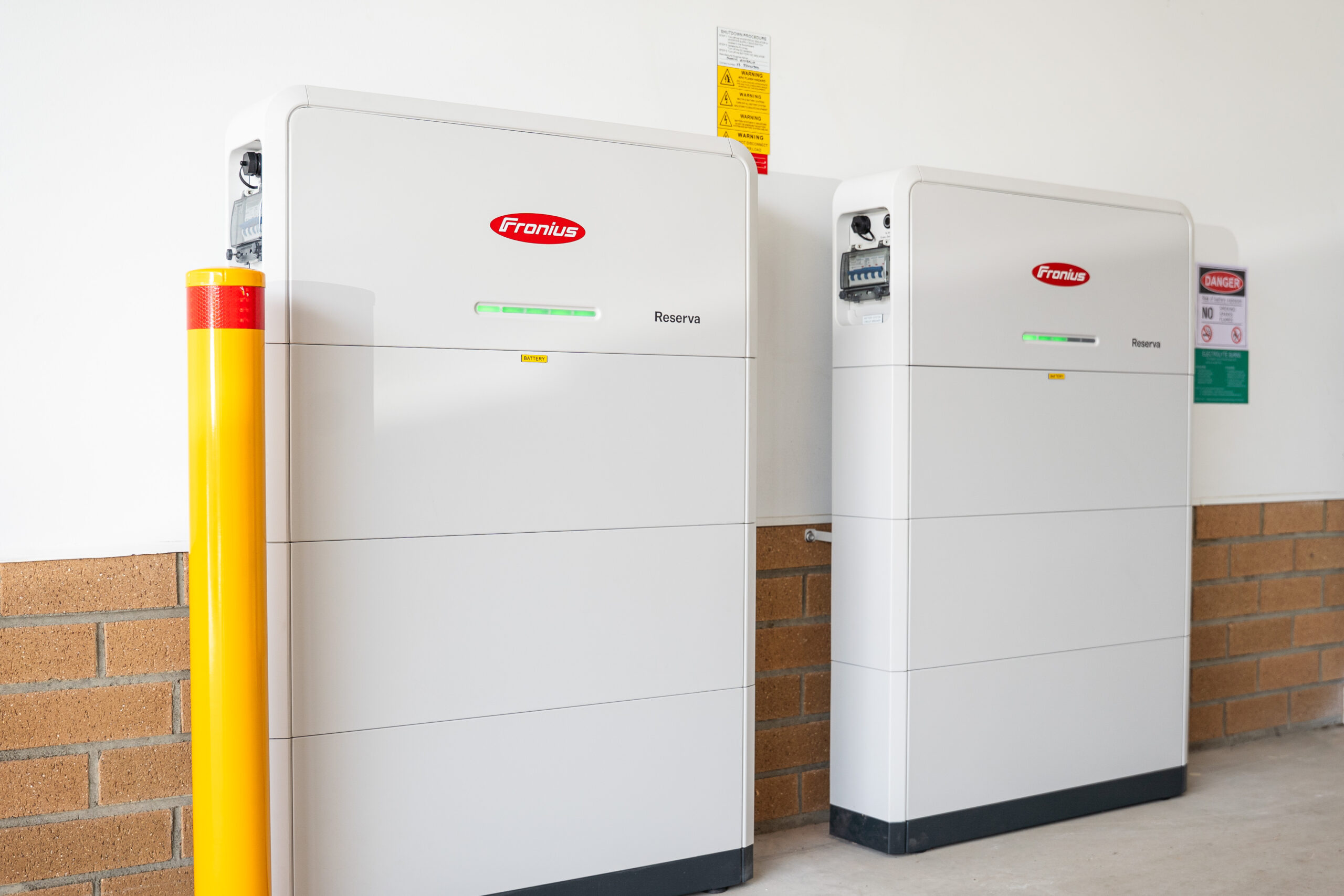
Virtual Power Plant (VPP) capability is now a major requirement under many solar incentives Australia programs. A VPP allows many residential batteries to work together as a shared energy network. During peak demand periods, batteries may export stored electricity back to the grid.
Some VPP programs also offer:
- Bonus credits
- Reduced tariffs
- Participation payments
- Energy trading opportunities
If you are comparing systems, always ask whether the battery supports active VPP participation.
Can You Combine Federal and State Battery Incentives in Australia?
Sometimes yes. State-based battery support schemes vary significantly and change regularly. While some states still offer battery rebates or VPP-linked incentives, others have closed previous programs or shifted toward loan-based support.
Current State Battery Incentives (May 2026)
| State | Current Battery Incentive Status |
|---|---|
| Western Australia | has an open residential battery scheme offering rebates and/or no-interest loans, designed to sit alongside the federal program — and it typically requires VPP participation as a condition of accessing the state benefit |
| New South Wales | points to combinations of the federal program and VPP-linked incentives through its energy programs, though specific terms depend on your energy provider. |
| Victoria | Solar battery loan program is listed as closed on Service Victoria, though other solar incentives may still apply. |
| South Australia | Home Battery Scheme has closed and is no longer accepting new applications. |
Before signing any contract, it’s best to confirm:
- Current scheme availability
- Eligibility requirements
- Stacking rules
- Funding availability
Some programs have limited funding allocations and may close or change without much notice.
Questions Homeowners Should Ask Before Signing a Quote
Before committing to any battery system, ask:
- What installation date is guaranteed?
- Which STC period applies?
- What happens if installation is delayed?
- Is the battery fully VPP-capable?
- What is the final out-of-pocket cost?
- What warranty protections apply?
- Does the quote include backup functionality?
- Are future battery expansions possible?
These questions help protect homeowners from unexpected pricing changes or misleading rebate claims.

FAQs About Solar Battery Rebates Australia
Are solar battery rebates ending soon in Australia?
No, but rebate values are gradually declining through scheduled STC reductions until 2030.
What is the current solar battery rebate in Australia?
The rebate varies depending on battery size, installation date, and STC pricing.
Can I get government solar battery rebates for existing solar systems?
Yes. Existing rooftop solar systems can often add eligible battery storage.
What are average home battery prices in 2026?
Most systems range from $6,000 to $26,000 before rebates, depending on size and features.
Can state and federal solar incentives in Australia be combined?
Sometimes. Rules differ between states and programs.
How do I find good-quality home batteries?
Focus on total value, warranty quality, installer accreditation, and long-term reliability rather than price alone.
Final Thoughts
Australia’s updated battery rebate system has made battery sizing and installation timing more important than ever.
The current solar battery rebates Australia environment still offers meaningful savings opportunities, especially for homeowners choosing right-sized systems in the 9 –14 kWh range.
While government solar battery rebates continue to improve affordability, households should focus on total long-term value rather than headline discount figures alone.
For many Australians, the combination of rising electricity costs, declining solar feed-in tariffs, and improved solar incentive programs means battery storage is becoming increasingly practical in 2026.
The information in this article is based on the federal Cheaper Home Batteries Program as updated from 1 May 2026. Program rules, state scheme availability, and STC factors may change. Always confirm current eligibility and discount rates with your accredited installer and the Clean Energy Regulator (cer.gov.au) before making purchasing decisions.