…and How Can You Protect It?
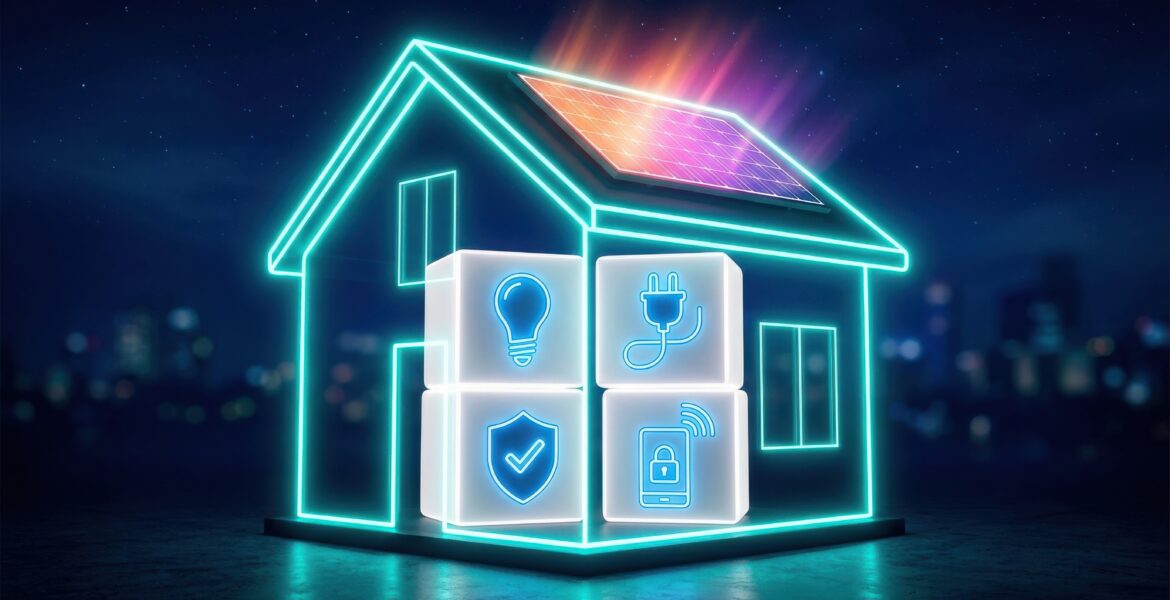
As Australian homes become smarter and more connected, solar energy systems are no longer just electrical equipment, instead they are part of your home’s digital network.
Many modern solar inverters connect to the internet through your home Wi-Fi, allowing you to monitor energy production, receive performance alerts, and install software updates remotely. These connected features provide valuable benefits, but they also raise an important question:
Can a solar inverter be hacked?
The short answer is yes, but not in the way many people imagine.
Solar panels themselves cannot be hacked because they are passive devices that simply convert sunlight into electricity. The components that could potentially be targeted are the internet-connected parts of your system, such as your inverter, monitoring platform, mobile app or home network. Like any connected smart device, these components benefit from sensible cybersecurity practices and ongoing software support.
Australian homeowners are increasingly prioritising cybersecurity when choosing a solar system. Australia’s Cyber Security (Security Standards for Smart Devices) Rules 2025, which commenced on 4 March 2026, establish minimum cybersecurity requirements for many consumer smart devices, including in-scope connected energy products. These rules are designed to improve baseline security for households while increasing transparency from manufacturers.
This guide explains what solar cybersecurity means, the real risks homeowners should understand, how Australia’s new requirements affect connected solar products, and the practical steps you can take to help keep your system secure.
Why Solar Cybersecurity Matters
Twenty years ago, a rooftop solar system generated electricity and little else. Today’s systems are very different.
Many modern solar systems include:
- Internet-connected solar inverters
- Mobile monitoring applications
- Cloud-based performance dashboards
- Battery management systems
- Smart energy devices
- Home energy management features
These connected technologies allow homeowners to monitor production in real time, identify faults quickly and optimise household energy use.
However, internet connectivity also means cybersecurity becomes part of maintaining a modern solar system, just as it is for smart televisions, security cameras or home automation devices.
The goal isn’t to make you as homeowners fearful. Instead, it’s about understanding that connected energy devices should be installed, configured and maintained with security in mind.
Can Solar Panels Actually Be Hacked?
This is one of the most common questions homeowners ask.
The answer is no, not directly.
Solar panels have no operating system, internet connection or software that can be remotely accessed. They simply generate direct current (DC) electricity whenever sunlight reaches the cells.
The equipment that performs digital functions is different.
Connected components may include:
- Solar inverter
- Battery management system
- Monitoring gateway
- Home Wi-Fi network
- Mobile monitoring app
- Cloud monitoring platform
If someone talks about “hacking solar panels,” they are usually referring to attempts to compromise one of these connected devices rather than the panels themselves. Understanding this distinction helps you focus on the areas that genuinely matter.
How a Connected Solar System Works
Most Australian rooftop solar systems follow a similar communication pathway.
- Solar panels generate electricity.
- The inverter converts DC electricity into usable AC electricity.
- Performance information is collected.
- The inverter communicates with your monitoring platform through your internet connection
- You as homeowner can view production, consumption and system status using a mobile app or online portal.
This connectivity provides significant benefits, including:
- Remote performance monitoring
- Faster fault detection
- Improved troubleshooting
- Firmware updates
- Better long-term system optimisation
The same connectivity also means the inverter should be treated like any other smart device connected to your home network.
What Are the Real Cybersecurity Risks?
Movies often portray hacking as someone instantly taking complete control of electronic devices.
Real-world cybersecurity is usually much less dramatic. For homeowners, the most realistic risks include:
| Weak or Reused Passwords Using the same password across multiple online accounts increases the chance that compromised credentials could be reused elsewhere. Where possible, use strong, unique passwords for your monitoring accounts and change any credentials provided during installation if they are intended to be personalised. |
| Outdated Firmware Manufacturers periodically release firmware updates to improve reliability, add functionality and address identified security issues. Delaying updates may leave known vulnerabilities unpatched. This is one reason ongoing manufacturer support is an important consideration when choosing connected solar products. |
| Insecure Home Wi-Fi Your inverter may be well designed, but if it connects through an unsecured wireless network, your overall security can still be weakened. Basic home network security, such as changing your router’s default password, using modern encryption and keeping router software updated helps protect every connected device in your home, not just your solar system. |
| Phishing and Account Security Cybercriminals don’t always target devices directly. Sometimes they target people. Fraudulent emails pretending to come from manufacturers, installers or monitoring services may attempt to collect login credentials. Before entering account information: – Check the sender carefully. – Use official websites or apps. – Avoid clicking unexpected login links. – Enable multi-factor authentication where available. |
Australia’s New Smart Device Rules Explained
Cybersecurity is now receiving greater regulatory attention across Australia.
The Cyber Security (Security Standards for Smart Devices) Rules 2025 commenced on 4 March 2026 and establish minimum security requirements for many consumer smart devices supplied to the Australian market. These rules are intended to improve baseline cybersecurity and consumer confidence in connected products.
For in-scope products, manufacturers are required to meet obligations including:
- No universal default passwords.
- A published way for security researchers or customers to report security vulnerabilities.
- Clear information about how long security updates will be provided.
- Statements of Compliance accompanying relevant products.
For homeowners, these changes increase transparency. Rather than simply comparing price and performance, consumers can also ask informed questions about a manufacturer’s approach to cybersecurity and long-term software support.
Victoria’s Solar Homes program has also aligned eligible connected solar products with these national cybersecurity requirements, reinforcing the importance of secure connected energy devices.
How Do Australia’s Rules Compare with Europe?
Australia is not alone in strengthening cybersecurity requirements for connected products.
Europe has introduced legislation such as the Cyber Resilience Act (CRA) and the NIS2 Directive, both aimed at improving cyber resilience across connected technologies and critical infrastructure.
While Australian homeowners are primarily affected by Australian law, many international manufacturers, including those supplying the Australian market are designing products to meet multiple global cybersecurity frameworks.
This broader trend benefits consumers because manufacturers increasingly build cybersecurity into products from the earliest stages of design rather than treating it as an afterthought.
Global connectivity requires enhanced security through clear regulations, as established by the EU Cyber Resilience Act and NIS2.
Choosing a Secure Solar Inverter
When comparing solar systems, many homeowners focus on efficiency, warranty and price. Cybersecurity is now another worthwhile consideration.
Questions you may wish to ask include:
- Does the manufacturer provide regular firmware updates?
- Is there a published process for reporting security issues?
- Does the manufacturer explain its cybersecurity approach publicly?
- How are customer accounts protected?
- What support is available if a security issue is identified?
These questions reflect the growing expectation that connected energy devices should be supported throughout their operational life, not only at installation.
Manufacturers that publish cybersecurity information, maintain responsible vulnerability disclosure processes and communicate software support periods demonstrate an ongoing commitment to product security. For example, Fronius Australia publishes information about its cybersecurity approach and provides a channel for responsible reporting of security vulnerabilities, helping customers and researchers communicate potential issues appropriately.
Securing Your Home Wi-Fi Network
Your home Wi-Fi network is the gateway that connects many smart devices, including your solar inverter, battery system, computers, smartphones and home automation products.
Even if your inverter is designed with strong cybersecurity features, an insecure home network can increase the risk of unauthorised access to connected devices. Fortunately, improving your Wi-Fi security doesn’t require advanced technical knowledge.
Consider the following best practices:
- Change your router’s default administrator password.
- Use a strong, unique Wi-Fi password.
- Enable modern Wi-Fi encryption (such as WPA2 or WPA3 if supported).
- Keep your router’s firmware updated.
- Remove devices you no longer use from your network.
- Disable remote router administration unless you specifically need it.
If you’re unsure whether your home network is configured securely, your internet provider or a qualified IT professional may be able to assist.
For homeowners installing solar, it’s also worth discussing network setup with your installer to ensure the inverter is connected correctly and securely.
Monitoring Platforms and Mobile Apps
One of the biggest advantages of modern solar systems is the ability to monitor your energy production from almost anywhere.
Monitoring platforms allow homeowners to:
- View real-time solar generation.
- Track household energy usage (where supported).
- Receive performance alerts.
- Monitor battery charging and discharge.
- Identify faults more quickly.
- Share diagnostic information with installers if support is required.
Like online banking or email accounts, monitoring platforms should be protected with sensible account security.
Good practices include:
- Using a unique password.
- Enabling multi-factor authentication if available.
- Keeping your contact details current.
- Reviewing account access if ownership of the property changes.
- Only downloading official mobile applications from trusted app stores.
If your installer creates the monitoring account during commissioning, ask them to explain:
- Who owns the account.
- How passwords can be changed.
- How to recover access if required.
- Whether additional users can be added securely.
Clear ownership of monitoring accounts helps avoid issues if you later change installer or sell your home.
Why Firmware Updates Matter
Many homeowners are familiar with software updates on smartphones and computers. Modern solar inverters also receive firmware updates from time to time. Firmware is the software that controls how the inverter operates.
Updates may:
- Improve system stability.
- Enhance compatibility with new equipment.
- Add functionality.
- Improve communications.
- Address identified cybersecurity vulnerabilities.
Keeping firmware reasonably up to date is one of the simplest ways to maintain both system performance and security.
Exactly how updates are delivered varies between manufacturers. Some systems notify users through monitoring platforms, while others may require installer involvement depending on the update and system configuration.
Rather than delaying updates indefinitely, homeowners should ask their installer how firmware updates are managed and whether any action is required on their part.
The Installer’s Role in Solar Cybersecurity
Cybersecurity begins long before your inverter connects to the internet.
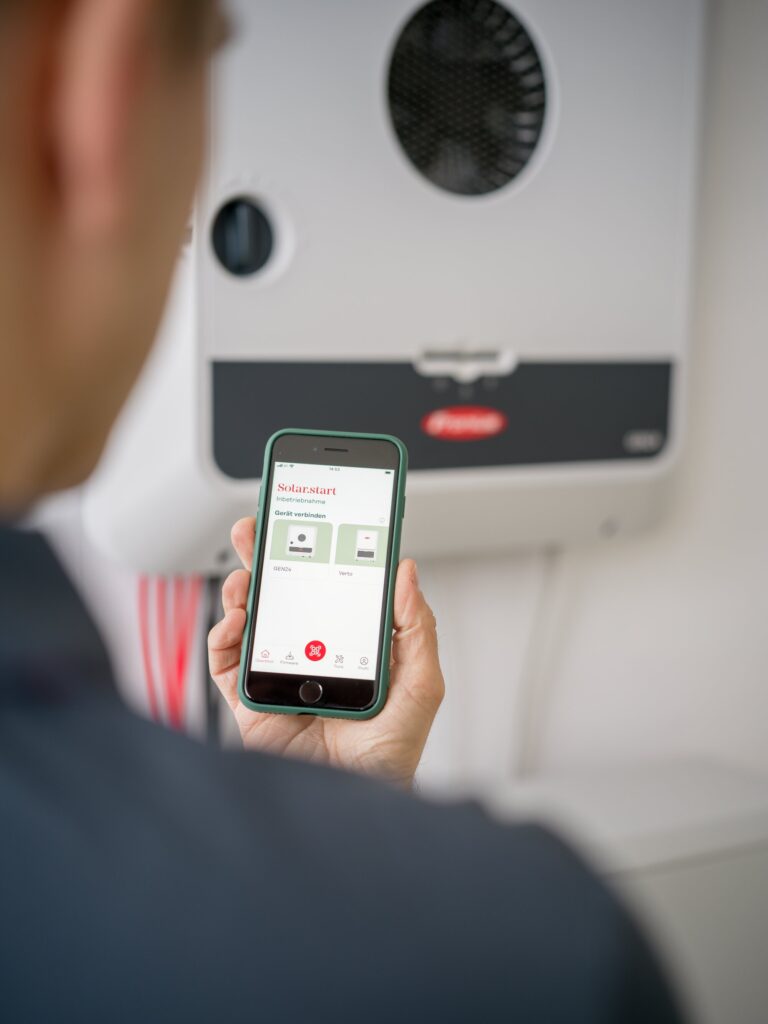
A knowledgeable installer helps ensure the system is commissioned correctly, accounts are configured appropriately and homeowners understand how to manage their connected devices.
During installation, homeowners should expect guidance on:
- Connecting the inverter to the home network.
- Setting up monitoring accounts.
- Changing or creating secure passwords.
- Accessing monitoring applications.
- Understanding firmware updates.
- Basic cybersecurity practices for connected devices.
Cybersecurity should be viewed as part of the installation process, not something homeowners discover months later.
Choosing an experienced installer who takes the time to explain these topics can help improve both system security and long-term confidence.
Solar Cybersecurity Checklist for Australian Homeowners
Before choosing, or after installing a connected solar system, use this checklist to improve your cybersecurity.
| Checklist | Why It Matters |
|---|---|
| Choose products from manufacturers that publish cybersecurity information | Demonstrates transparency and ongoing security commitment |
| Ask about firmware updates | Helps keep software current and addresses known vulnerabilities |
| Secure your home Wi-Fi | Protects all connected devices on your network |
| Use strong, unique passwords | Reduces the risk of unauthorised account access |
| Enable multi-factor authentication where available | Adds an extra layer of account security |
| Keep your router updated | Strengthens protection across your home network |
| Understand who owns your monitoring account | Makes future support and account management easier |
| Keep installer documentation | Useful for future maintenance and troubleshooting |
| Know how to report security concerns | Enables faster support if issues arise |
Myth vs Fact: Solar Cybersecurity
| Myth | Fact |
|---|---|
| Solar panels themselves can be hacked. | Solar panels are passive devices. Cybersecurity focuses on connected components such as the inverter, monitoring platform and home network. |
| Connecting my inverter to Wi-Fi is unsafe. | Internet connectivity provides valuable monitoring and support features. Like any smart device, it should be protected with sensible security practices. |
| Firmware updates are optional. | Firmware updates often improve reliability, compatibility and security, making them an important part of ongoing system maintenance. |
| Cybersecurity only matters for large commercial solar systems. | Residential solar systems also benefit from good cyber hygiene because many include internet-connected devices and cloud-based monitoring. |
| Once the system is installed, cybersecurity is the installer’s responsibility forever. | Manufacturers, installers and homeowners all play a role in maintaining a secure connected system over its lifetime. |

Fronius Takes Cybersecurity Seriously
Throughout this guide, we’ve explored why cybersecurity is becoming an increasingly important part of modern solar ownership. As more solar systems connect to home networks, batteries, monitoring platforms and future smart energy technologies, choosing a manufacturer with a long-term commitment to cybersecurity becomes just as important as choosing efficient panels or a reliable inverter.
At Fronius, cybersecurity is not treated as an optional feature or an afterthought. It forms part of the product development process from the earliest design stages and continues throughout the product lifecycle through ongoing software support, security updates and responsible security management.
For Australian homeowners, that means choosing a manufacturer that is committed to protecting not only system performance, but also the integrity of connected devices and customer data.
What This Means for Homeowners
| Security built into the design Cybersecurity considerations are incorporated into Fronius products from the beginning, with security-focused design principles and default configurations that help reduce the risk of unauthorised access. |
| Ongoing firmware and security updates As new vulnerabilities are identified and cybersecurity standards evolve, firmware and software updates help maintain the security, reliability and long-term performance of connected systems. |
| Commitment to recognised security practices Fronius continuously reviews and improves its cybersecurity processes and aligns product development with recognised security principles and evolving industry expectations. |
| Protecting customer information Connected solar systems generate valuable operational data. Fronius manages customer data in accordance with applicable European data protection requirements, helping ensure personal information is handled responsibly. |
| Designed for the future Cybersecurity is an ongoing process rather than a one-time feature. Fronius continues to develop products with future technologies, emerging threats and evolving cybersecurity expectations in mind, helping customers invest in systems designed for long-term use. |
Frequently Asked Questions
Can solar panels be hacked?
No. Solar panels themselves do not contain internet-connected software or operating systems. Cybersecurity focuses on connected components such as the inverter, monitoring platform, mobile app and home network.
Can someone turn off my solar inverter remotely?
Modern connected inverters include remote communication capabilities for monitoring and support, but security controls are designed to help prevent unauthorised access. Following good cybersecurity practices and keeping software up to date helps reduce potential risks.
Should I connect my solar inverter to Wi-Fi?
For many homeowners, yes. Connecting your inverter enables monitoring, performance insights, diagnostics and firmware updates. As with any connected device, your home network should be secured using strong passwords and current router software.
How often should firmware be updated?
This varies between manufacturers. Homeowners should follow guidance provided by their installer or manufacturer and apply updates when recommended to maintain system performance, compatibility and security.
Do Australia’s Smart Device Rules apply to solar products?
Some connected solar products supplied to the Australian market may fall within the scope of Australia’s Cyber Security (Security Standards for Smart Devices) Rules. Homeowners can ask manufacturers or installers whether a product is in scope and how compliance requirements are addressed.
What should I ask my installer about cybersecurity?
Ask how your monitoring account will be set up, who owns the account, how firmware updates are managed, whether multi-factor authentication is available, how long security updates will be supported and who to contact if a security issue arises.
Confidence Beyond Installation
Choosing a solar system is a long-term investment, and cybersecurity is becoming an increasingly important part of that decision.
By combining high-quality engineering with ongoing software support, responsible cybersecurity practices and a commitment to continuous improvement, Fronius helps homeowners confidently embrace connected energy technologies today while preparing for the smarter, more connected homes of tomorrow.