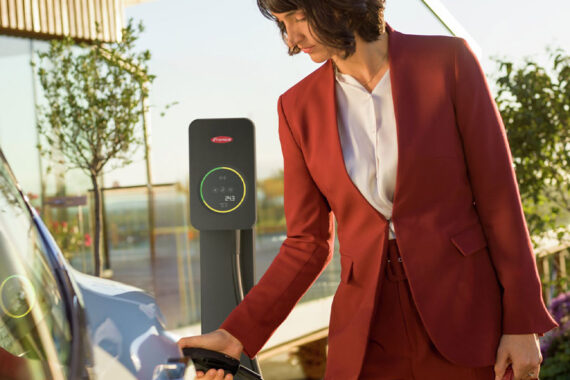

Electric vehicles are literally gaining momentum on our roads. This brings with it the question: what is the best way to charge an electric car for everyday use? With a few targeted measures, you can not only increase EV range, but also extend the service life of the battery, and reduce your energy costs at the same time. In this article, we share 10 practical EV charging tips that will help you get the most out of your charging infrastructure with little effort—and reveal the smart way to charge your electric vehicle for everyday use.
How to charge your electric vehicle efficiently: 10 EV charging tips for everyday use
Choose the right equipment and follow the correct EV charging sequence
The most widely used charging plug for AC charging worldwide is the type 2 plug. However, well before hitting the road it’s worth finding out which charging plugs are commonly used in your region.
For safety reasons and to ensure secure locking, you plug into the charging station first and then into your vehicle to start charging—and conversely unplug your vehicle first and only then unplug from the charging station.
Don’t always charge to 100%: Follow the 20-80 rule instead
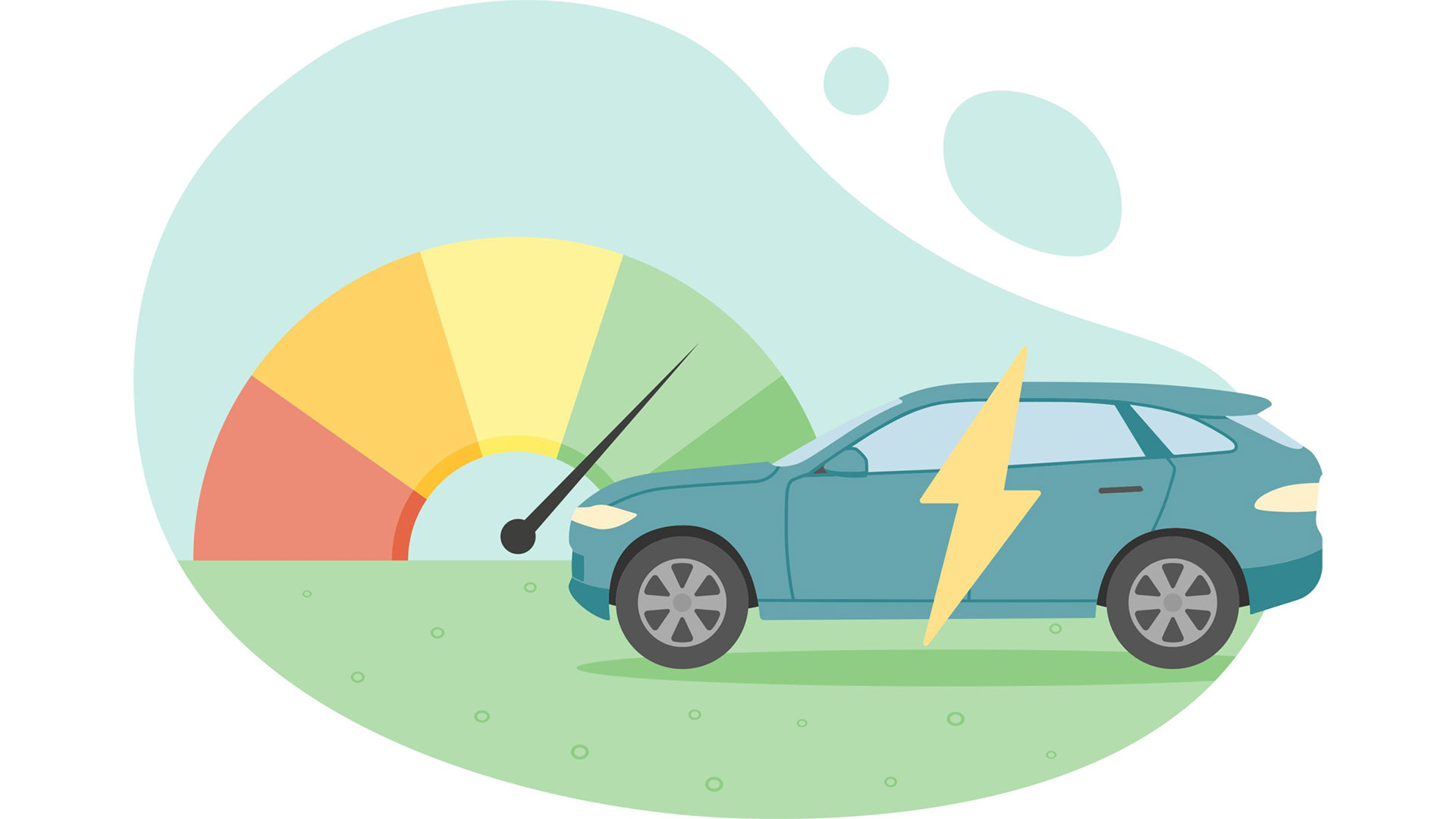 | To enjoy the longest possible battery life, the optimum charging range is between 20 and 80%. Tip: Set the charging limit or follow the recommendations issued by the vehicle or battery management system and choose the optimum charging range accordingly. This 80/20 rule applies to both fully electric vehicles and plug-in hybrids. However, fully hybrid vehicles usually have a very small battery (1 to 2 kWh) and these vehicles regulate their battery management completely automatically. |
Charge slower when possible to protect battery life
Charging at public 11- or 22-kW charging stations or wallboxes is kinder to the battery. Quick charging should be saved for traveling or when it’s unavoidable, because frequent DC charging puts a lot of strain on the battery.
Adopt a smart charging rhythm: little and often is best
 | Ideally treat charging your electric vehicle like your smartphone: try to frequently charge the battery a little, and rarely charge it fully. It’s not necessary to charge your car every day, an electric vehicle loses almost no power on a day-to-day basis and usually retains a charge for several days. However, if the battery level is noticeably low or you are planning a longer journey then recharging is of course essential. |
Avoid leaving your EV fully charged for long periods
Drivers who only rarely or very rarely drive their electric car should not leave their car fully charged for weeks on end. A battery level of between 40 and 60% is ideal in these circumstances.
Tip: With the charging timer function, one of the features of the Fronius Wattpilot, the car only starts charging just before the next journey and is not left waiting with a fully charged battery.
Apply caution with extreme outside temperatures
Extreme temperatures when it’s especially hot or very chilly outside put a strain on the battery. You should therefore charge slowly at temperatures below 10 °C or above 30 °C and drive for a few minutes before charging after a particularly cold night, in order to preheat the battery.
Avoid deep discharge and plan charging stops early
Don’t wait too long to recharge your electric vehicle and plan your next break between charging with enough battery charge in reserve. As with all rechargeable batteries, avoid discharging completely because a single deep discharge can cause chemical damage and permanently impair the battery.
Tip: Drive a little slower when the battery is running low—this will significantly reduce consumption.
Choose economical charging with PV electricity or variable tariffs
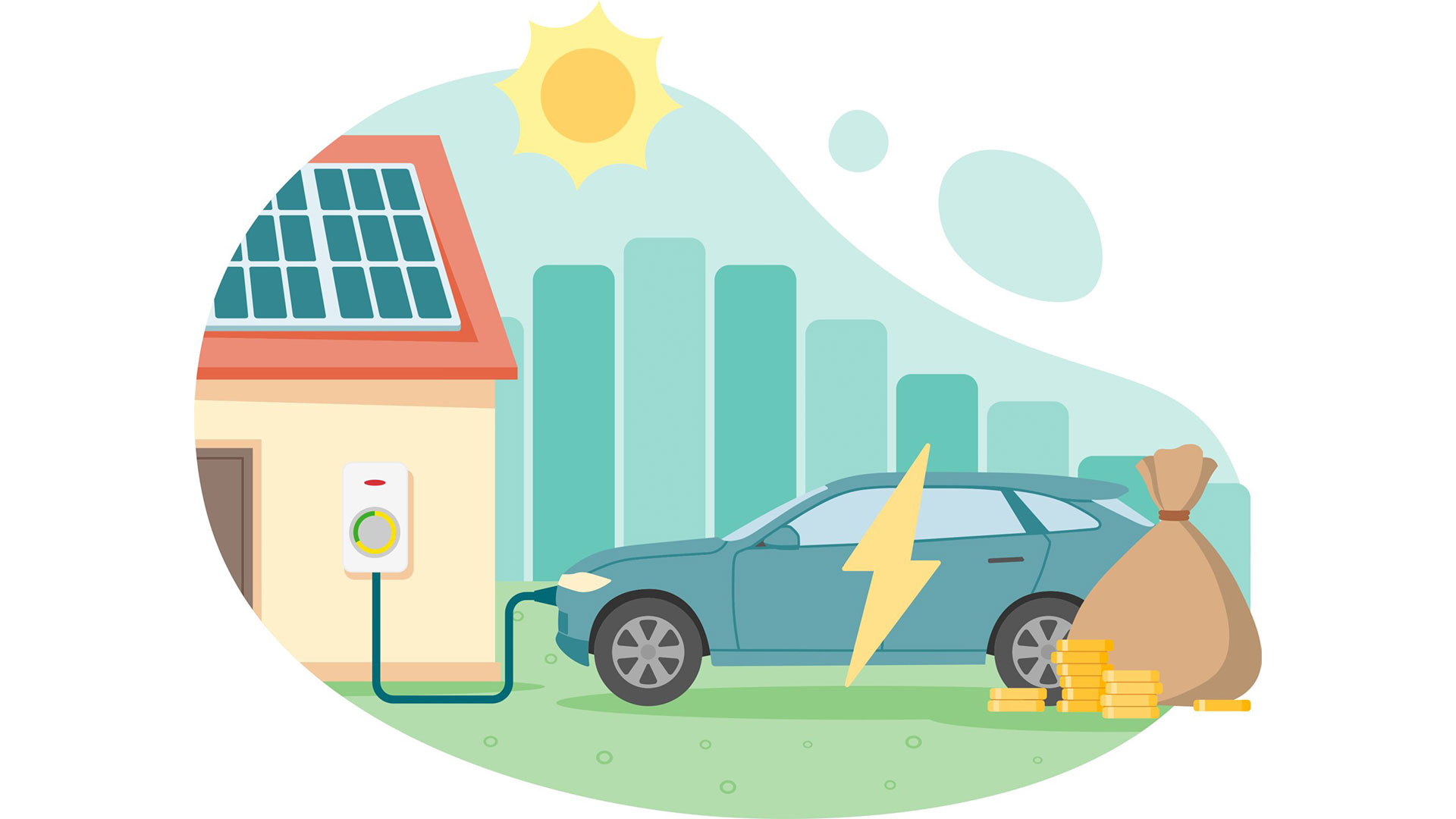 | Drivers who run on surplus PV enjoy the lowest costs. And if charging is scheduled for times with variable, low electricity tariffs then charging is particularly economical. |
Make the most of the wallbox’s intelligent EV charging modes
Intelligent charging modes automatically optimize the charging process when it comes to costs, energy availability (PV surplus), and technical limits (charging limits, grid and load management)—making charging more convenient and conserving even more resources.
Use EV charging apps to monitor performance and efficiency
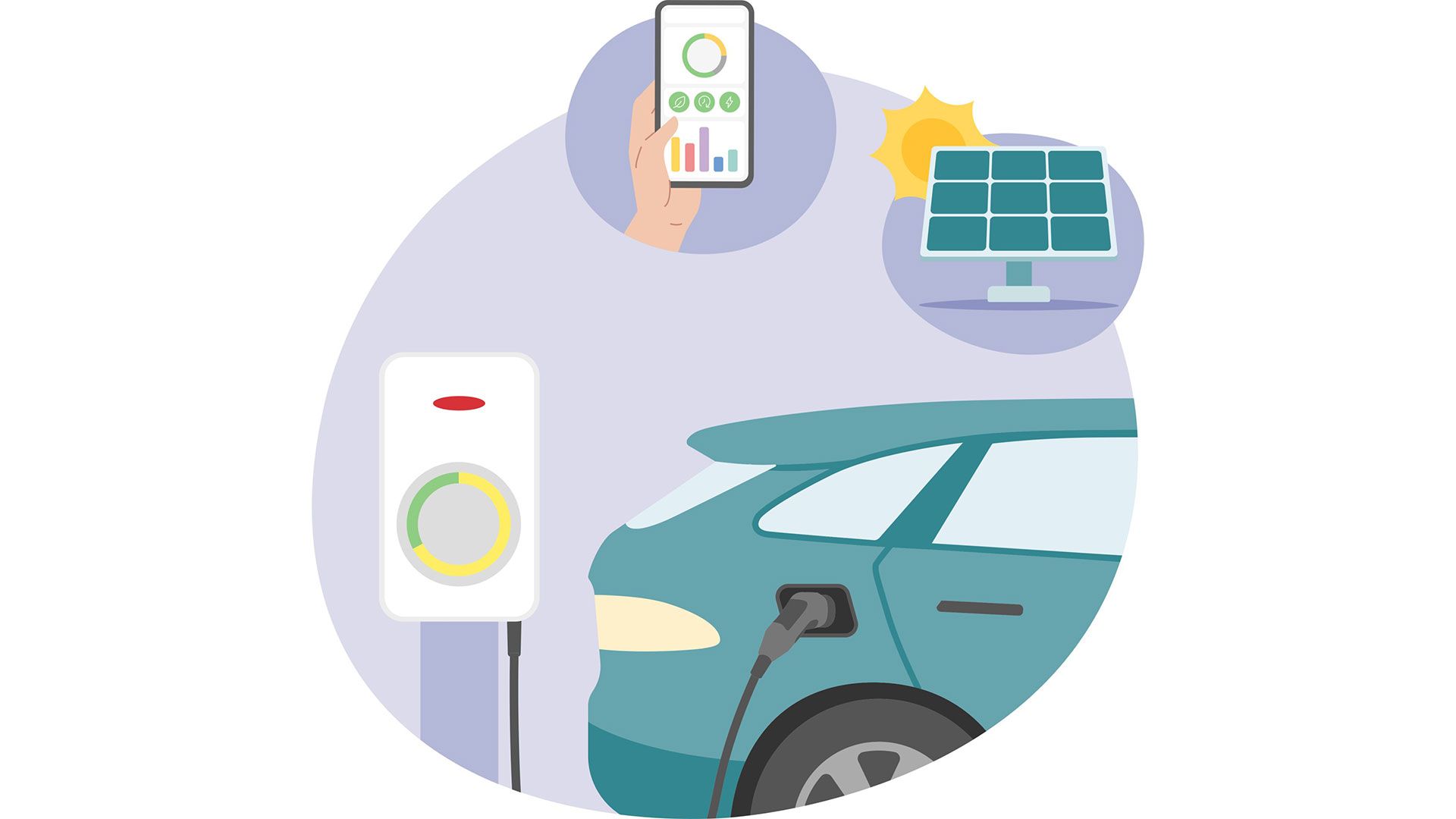 | Charging apps can be used to monitor the charging process in real time, showing you charging performance, energy consumption, and the current battery charge. They also allow you to quickly detect deviations such as charging interruptions, unusual performance values, or possible overheating. |
Conclusion: How to charge an electric vehicle the right way
If you bear a few simple points in mind, you’ll not only charge your electrical vehicle in a way that is kinder on the battery, but also enjoy greater peace of mind. This in turn means that every time you charge your vehicle, you’ll enjoy a greater range and a longer service life for your battery—and all with very little effort.
 | Read this blog post to find out what you need to know, in order to charge your electric vehicle at home and when on the road. |