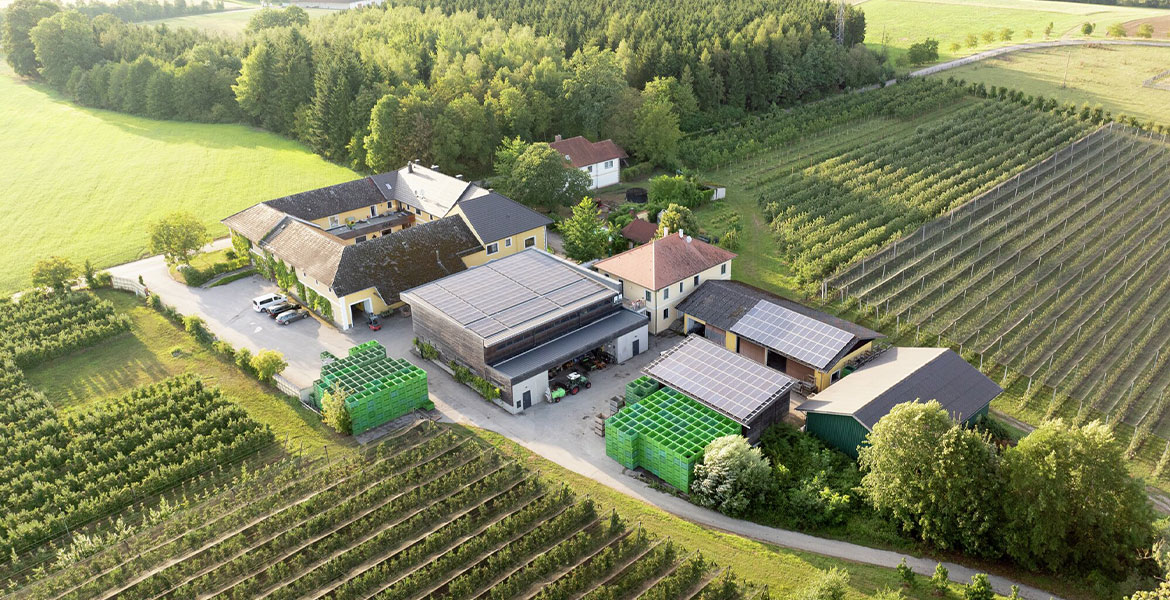
More and more people are turning to self-generated solar power from photovoltaic systems for their personal energy needs. But what about the agricultural sector or small and medium-sized enterprises (SMEs)? Investment grants and targeted incentive programs from the federal and state governments are not only making solar energy increasingly attractive to businesses but also economically viable. In addition to more affordable overall system costs, one aspect in particular is becoming increasingly important: reliability. By designing and operating their on‑site PV system strategically, companies can significantly reduce reliance on the power grid and ensure access to dependable backup power in the event of a blackout. In these FAQs, we explain how to best prepare your business for a PV system.
1) How to calculate the optimal size for my commercial photovoltaic system?
Analyzing self-consumption & load profile
Contrary to popular belief, the ideal PV system size is not determined by the maximum roof or installation area, but by your load profile, defined by your business’s daily and annual electricity consumption. It is therefore recommended that you generate a 12-month load profile, which will allow you to identify daily and seasonal peaks and design the system to handle simultaneous loads.
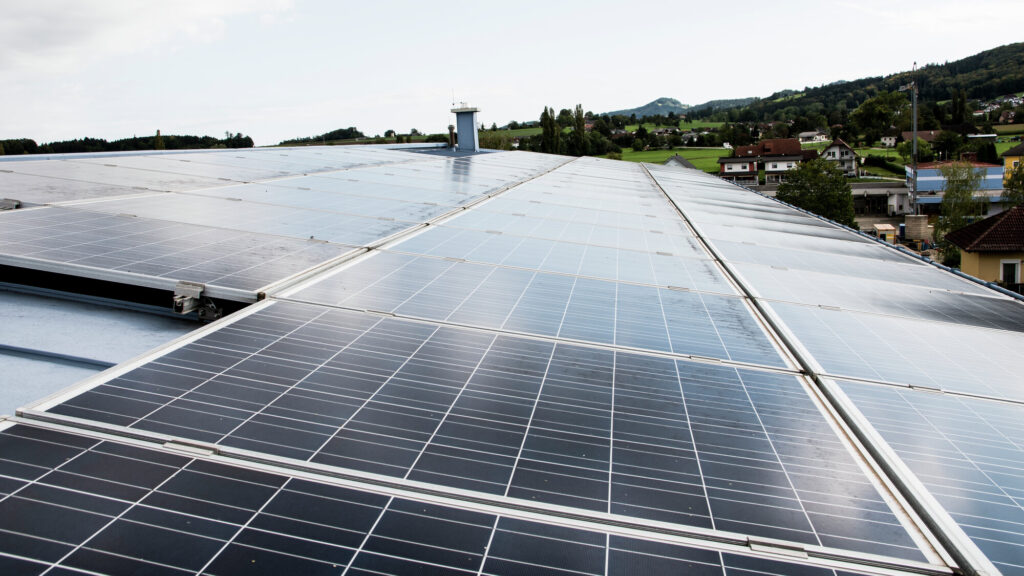
In agriculture in particular (e.g., poultry and pig farms, and direct-sales operations), a large portion of energy consumption occurs during the day, precisely when the photovoltaic system is generating high yields. PV systems facing south or east/west generate the highest output.
Check out our blog post for more tips on how to size a PV system.
2) Why do I need an energy management system?
Optimum control for simultaneous power consumption
Those who utilize their solar power in real time—consuming it as it is generated—enhance their self-consumption and substantially reduce their electricity costs. An intelligent energy management system (EMS) automatically controls this process by shifting flexible loads, such as water heating and cleaning processes, to times of high PV generation, whenever viable. At the same time, the system prioritizes critical systems such as cooling in agricultural operations, and ensures that the business’s energy flow remains efficient at all times without the need for manual intervention.
Furthermore, load management improves operational reliability; critical loads remain powered even when PV production or battery charge is low, while peak loads are specifically avoided to minimize exposure to high electricity rates. This is a particularly important consideration for small and medium-sized businesses.
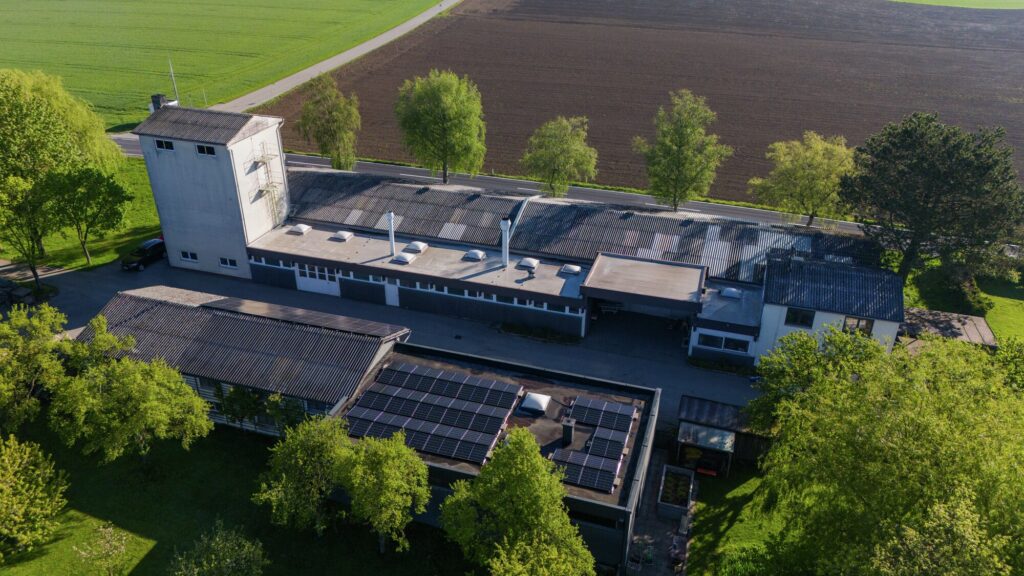
For processes that must run without interruption, like milking equipment on dairy farms, battery storage provides a dependable solution by storing daytime solar energy for use in the evening, resulting in an effective integrated system that enhances self-sufficiency and security of supply while reducing feed-in losses.
3) Why is it crucial to avoid peak loads?
Cost savings through peak load management and process adaptation
For small and medium-sized businesses, peak loads drive up costs because many commercial rates include not only the base rate but also a surcharge based on the highest monthly or annual peak (kW); even a brief spike can significantly increase the electricity bill.
The simultaneous startup of cooling systems, compressors, and large machinery, or the charging of multiple electric vehicles at the same time, often results in irregular load profiles that quickly lead to high peaks. For example, in a woodworking shop, if a saw is turned on and off repeatedly, it requires a large amount of starting current each time, and the central exhaust system is usually started up at the same time. This means that power consumption can quickly reach around 10 kW.
An energy management system (EMS) smooths out these peaks because—as part of the EMS—the load management shifts and prioritizes loads, controls them on a time-delayed basis, uses battery storage for buffering, and makes targeted use of surplus PV power. The result is lower service prices, reduced grid consumption, and energy costs that are both lower and more predictable. In the long run, it is financially more beneficial to manage energy consumption in the building than to sell surplus photovoltaic power at volatile feed-in rates.
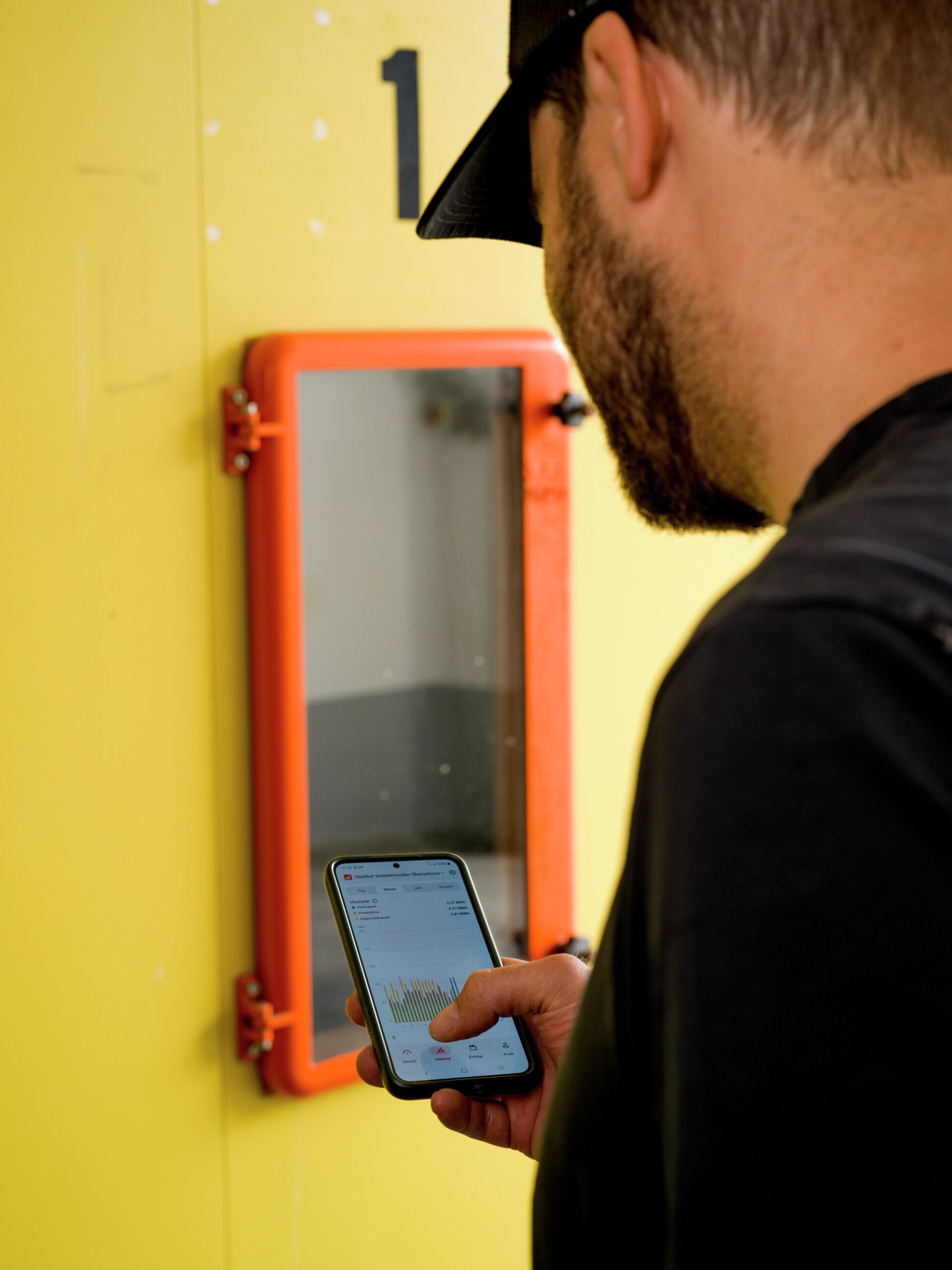 | Tip: Intelligent peak load management makes a company’s energy supply more cost-effective, while it’s also well worth optimizing established processes. Even minor changes can make a difference, such as grouping cuts or starting the saw once and running it continuously instead of turning it on again for each cut. |
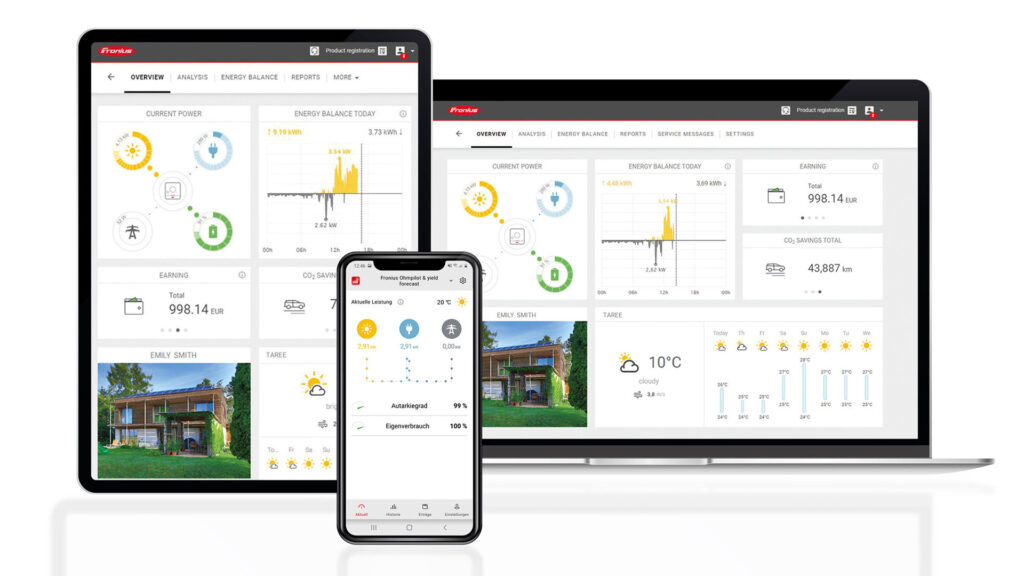
4) How do I keep critical processes running during a power outage?
Battery storage plays a key role in an organization’s independence
For the agricultural sector and small and medium-sized enterprises, a reliable power supply is far more than just a convenience—in many cases, it is essential to their survival. PV systems must automatically disconnect from the grid in the event of a fault to prevent the formation of isolated grids that could endanger personnel working on power lines. However, this also means it is impossible to maintain the grid-based power supply, which poses a significant risk for the majority of businesses: if ventilation and cooling systems or (water) pumps fail, within minutes this can lead to a decline in quality, goods spoiling, or even a risk to the lives of people and animals.
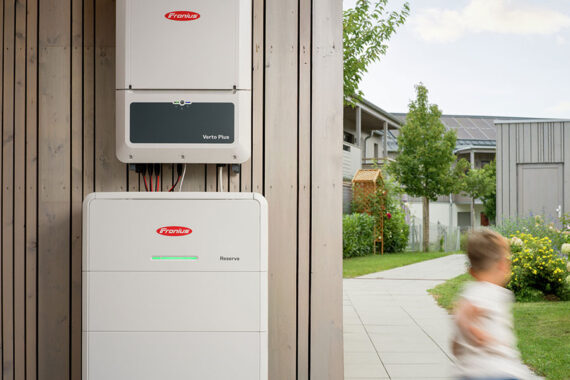
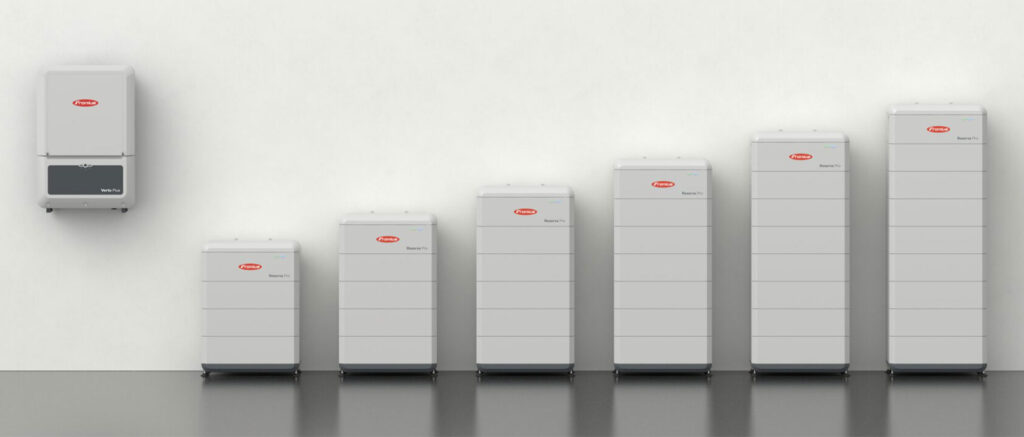
With modular storage solutions such as the Fronius Reserva Pro, companies can expand their energy infrastructure step by step—tailored to their specific needs. The system is typically connected via a hybrid inverter, which combines both PV generation and energy storage integration in a single unit. A battery storage system of the appropriate size can then be added and, as demand grows, flexibly expanded with individual modules or even multiple battery towers—for example, if additional machines are added later or production hours increase. The integration of electric vehicles can also be easily factored in right from the start: the company can use surplus solar power directly to charge its own electric fleet, thereby further reducing energy costs. This modular design ensures that businesses are always optimally equipped without having to commit to a fixed PV system configuration from day one.
5) What should I bear in mind in backup power mode?
Taking into account the (start-up) energy demand of the machines
To ensure that a business can truly continue operations in an outage, all equipment, machinery, and their energy and startup requirements must be taken into account during the planning phase. Many conventional backup power solutions fail precisely at this point: while they adequately cover the required base load, they fall short when high-power loads with significant inrush currents need to be started in backup power mode.
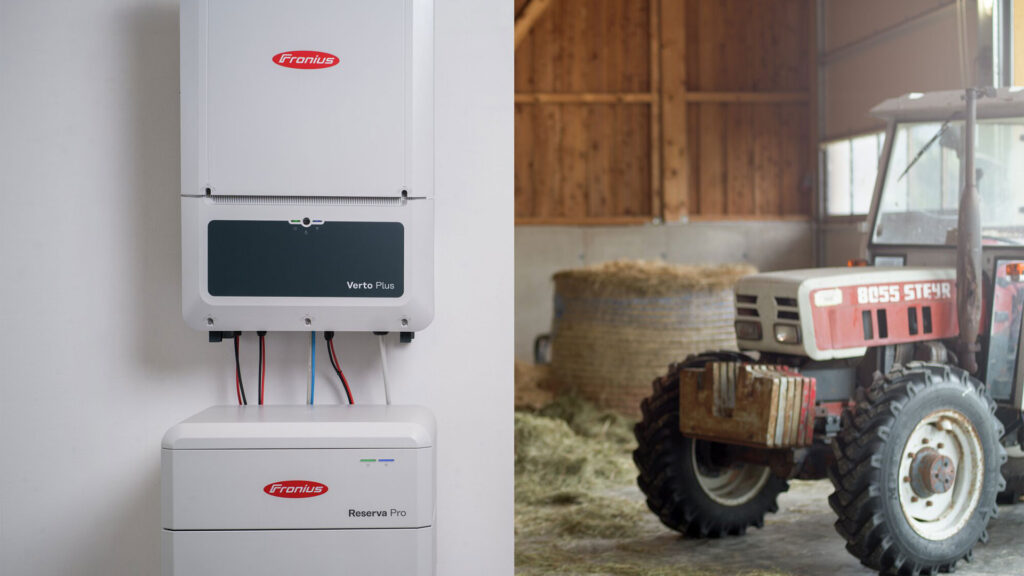
This is where the Fronius Verto Plus offers a key added benefit with its Backup Power Boost function: this feature allows a temporary increase of the output power in backup power mode, in order to deliver additional power reserves during critical moments for processes that cannot be postponed, such as cooling or ventilation.
When the battery is connected, this can provide peak AC power output of up to 50 kVA, thereby ensuring that high inrush currents are dealt with reliably, for example, when multiple critical loads need to be started up or powered at the same time, or when short-term load peaks occur. When combined with the Fronius Reserva Pro high-voltage battery, it’s possible to achieve an impressive charging and discharging capacity of up to 28.3 kW, meaning that farms and small and medium-sized businesses remain energized and operational even in full stand-alone operation—and that their machinery can keep running.
6) What legal requirements need to be observed when installing a commercial photovoltaic system?
Incorporating legal requirements and funding strategies in planning
Many European countries have either established or are in the process of establishing numerous legal frameworks related to energy and electricity markets, including the Solarspitzengesetz [Solar Peak Act] in Germany, new regulations in Spain such as the updated Real Decreto [Royal Decree] on the integration of photovoltaics and energy storage devices, and the Austrian Elektrizitätswirtschaftsgesetz (ElWG) [Electricity Industry and Organization Act]. All of these regulations share the common goal of better integrating renewable energy sources—particularly photovoltaic systems with energy storage devices—into the grid and preventing grid overloads. The goal is to build a sustainable and more resilient energy system through the use of more flexible, controllable devices and facilities, energy storage, and modern regulatory mechanisms. The purchase and installation of the necessary components are supported by various photovoltaic and storage subsidies in each state.
Germany limits feed-in from new photovoltaic systems without smart meters or control boxes to 60%; Austria is introducing a 70% peak cap in the event of imminent grid overload; meanwhile, Spain is increasingly relying on system flexibility through the promotion of storage, hybridization, and the integration of photovoltaics into grid control rather than a fixed percentage cap.
On thing is abundantly clear: components designed to increase self-consumption and tailored to individual PV systems will play an even greater role in the energy landscape of the future. This makes it essential, above all for small and medium-sized enterprises, to correctly plan an energy supply system that can be expanded as and when required.
7) How can I expand my photovoltaic system to meet my needs and make it battery-compatible?
Upgrades and modular expansion
DC oversizing is one way to get even more out of your existing commercial photovoltaic system: this requires the installer to incorporate additional PV modules and integrate them into existing or new strings, so that the module output is higher than the inverter’s AC power. Modern inverters are generally designed for this purpose and often allow a DC/AC ratio of up to 150% without requiring any further adjustments to the unit itself. This means that the maximum module output may exceed the inverter’s power rating by up to 50%. A 10 kWp inverter is therefore suitable for module arrays with a capacity of up to 15 kWp. As such, the installation effort is generally limited to adding the modules and adjusting the string connections, while the rest of the system can remain unchanged.
That said, if the additional PV capacity significantly exceeds the inverter’s permissible DC oversizing limits for the input current or voltage of the existing inverter, installing a second inverter may be necessary.
Did you know? Installing an additional hybrid inverter does not automatically make your existing system battery-compatible. In fact, a standard DC storage device can only work properly if the PV modules are connected directly to the DC input of the hybrid inverter. However, in an existing system these are already connected to the old PV inverter, which converts the electricity to alternating current (AC)—meaning there is no longer a usable DC input available for an energy storage device. DC storage systems require a direct connection between the PV generator and the hybrid inverter, which necessitates modifications or new wiring. For this reason, integrating an AC-connected energy storage device into existing installations is both simpler and more common.
When it comes to the long-term efficiency of your system, you are better off with a DC storage system. It is directly connected to the DC power from the modules and therefore only requires one conversion step for the current to charge and be stored in the battery.
The situation is different with AC storage systems, where the generated electricity must be converted twice in order to be charged to the battery and then discharged again. This results in greater energy losses and, ultimately, a less efficient system.
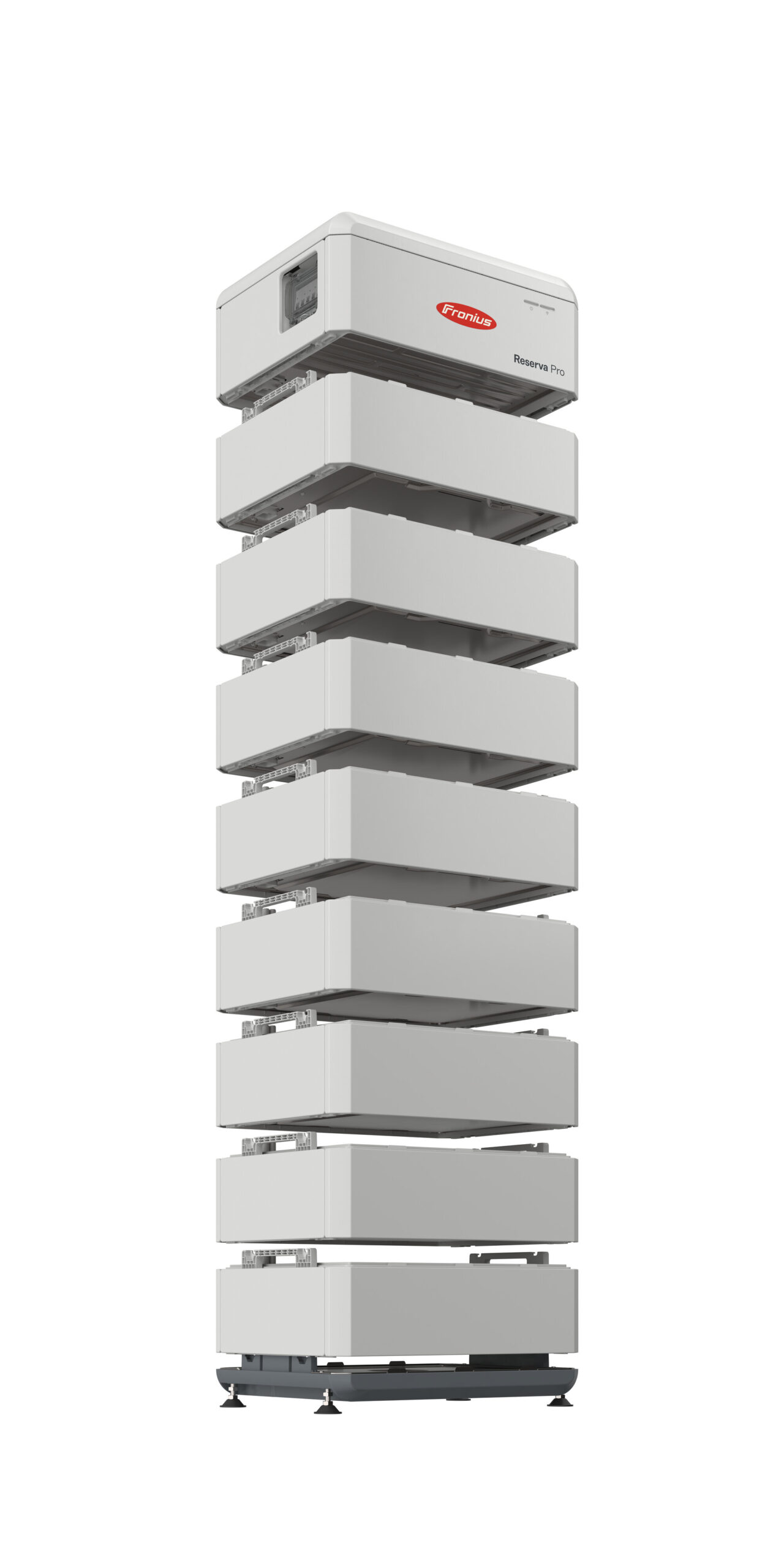 | The good news: A battery storage system for your farm or small business can also be easily integrated into an existing PV system at a later date—provided it has been properly planned in advance. Investing in a hybrid inverter provides the best foundation for retrospectively integrating a battery. If you’re still unsure about what storage capacity you need, you can opt for a modular battery system as a flexible solution that scales with your needs. |
The Fronius Reserva Pro is modular by design, allowing it to be customized to meet the specific needs of a business or farm.
In our recent blog post you’ll find out how to choose and size the right energy storage system for your PV system.
8) Why is it important for my business to ensure that its production and system data are secure?
Data security is the new backup power
In both residential and commercial settings, modern energy systems continuously collect a large volume of data, including production and consumption data, peak loads, usage patterns, user profiles, and more. Since this data can be used to draw conclusions about operational trends, processes, and even presence on site, it is rightly deemed to be sensitive in nature. If this information falls into the wrong hands, the infrastructure of the entire operation could be significantly disrupted, manipulated, or even brought to a standstill, which is why it is particularly important in a commercial context that this data be processed and stored in accordance with the highest security standards.
Data security has become so crucial today that its importance is almost on par with that of a reliable backup power supply—and in some cases it may in fact be equally critical. Data protection regulations within the European Union, such as the General Data Protection Regulation (GDPR), are considered extremely strict by global standards. By storing data on European servers, individuals and businesses can prevent the risk of this information ending up in countries with less stringent regulations, where it is more vulnerable to access by third parties. Furthermore, in Europe there are clearly defined legal requirements that regulate access to sensitive data and ensure that end users retain control over their data. European manufacturers meet these requirements. Fronius has long adhered to strict standards regarding data security: customer and plant data are always stored separately on dedicated servers in Austria or in European cloud storage.
Conclusion: Commercial photovoltaic systems as the strategic backbone for agriculture and SMEs
Today, photovoltaics offer farms and small and medium-sized businesses far more than affordable electricity alone: they are becoming a strategic pillar of operational stability, cost-effectiveness, and security of supply. Forward-looking planning that takes into account load profiles, self-consumption potentials, and critical operational processes is essential. Smart energy management, tailored storage solutions, and a modular system architecture ensure that companies remain flexible, reduce their energy costs, and at the same time increase their independence from the grid. By considering the legal requirements and future expansion options early on, you can create a photovoltaic system that remains efficient in the long term and adaptable to new operational needs. Last but not least, data security is becoming a key factor: systems that satisfy European security standards effectively protect sensitive operational data. By taking all these factors into account, you can create a robust, scalable, and future-proof energy system for your operation.