If you’re setting up a photovoltaic system, the roof is the obvious place for the PV modules—although you’ll occasionally see them on the sides of buildings or in open spaces. But the question of where to install the inverter isn’t quite as straightforward. To help you make the right choice, we took a look and found the best locations for inverters to maximize PV yield.
At first glance, installing a PV system in your home seems straightforward enough. However, PV modules are only part of the picture. A fully functioning system requires a range of components to get your own electricity flowing.
First off, if you haven’t planned a PV system before, but have an understanding of what an inverter is, you’ve got a head start. This blog post is for anyone who isn’t sure about the benefits of this system component.
But there’s still the question of where to put this crucial element of the PV system, keeping in mind the soft whirring noise it generates while running. When it comes to a long service life, your inverter benefits from locations that are
- cool,
- dry, and
- low on dust.
Check out this blog to find out what else you can do to extend the service life of your power converter.
Let’s move on now to ideal locations where inverters can deliver their maximum yield.
1. Installing your inverter in a utility room or basement
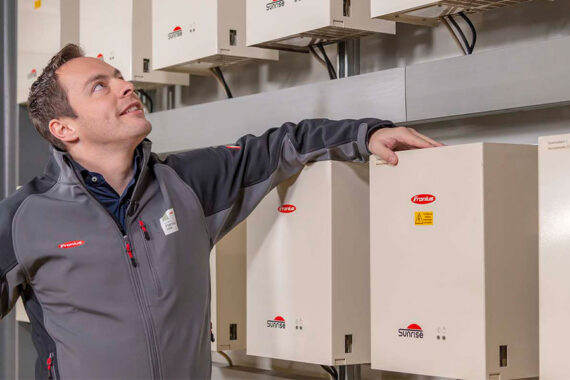
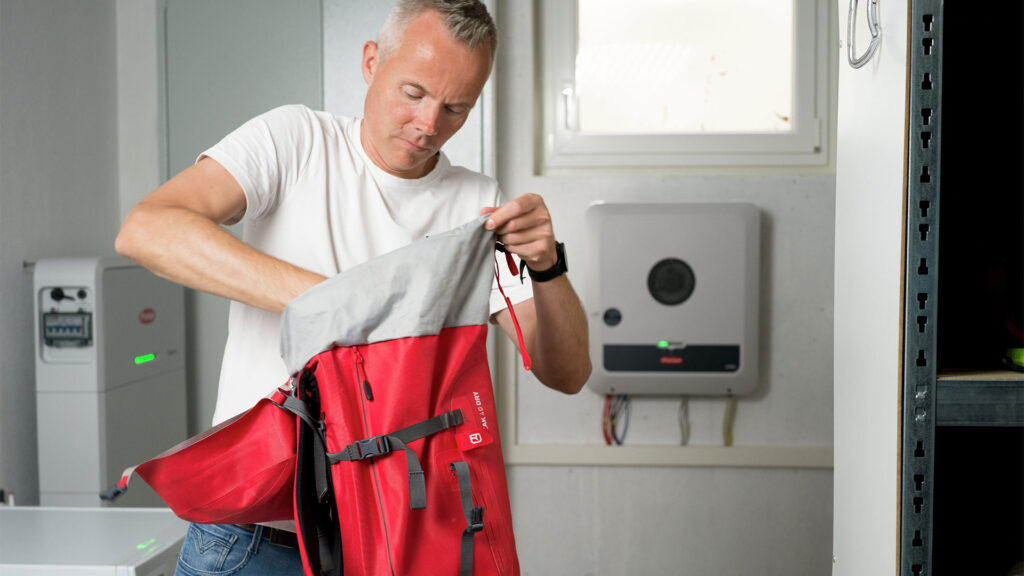
By far the most common location for inverters (at least in Central Europe) is the utility room on the ground floor or in the basement of a building. The power converter can go about its work undisturbed here, alongside the rest of the technical equipment—heat pump, boiler, and energy storage unit—all whirring quietly away. It’s worth noting that having multiple electronic devices in a confined space can result in a noticeable increase in heat generation.
If you’d like to install your inverter in the utility room as well, there’s generally no reason not to. Here are the pros and cons:
Utility room/basement
| Pros | Protected against dirt and moisture, easy installation and cabling (potential to use existing connections), readily accessible |
| Cons | Warm environment leads to higher operating temperatures; older basements in particular can be damp or poorly ventilated |
2. Garage installation: a practical alternative for your inverter
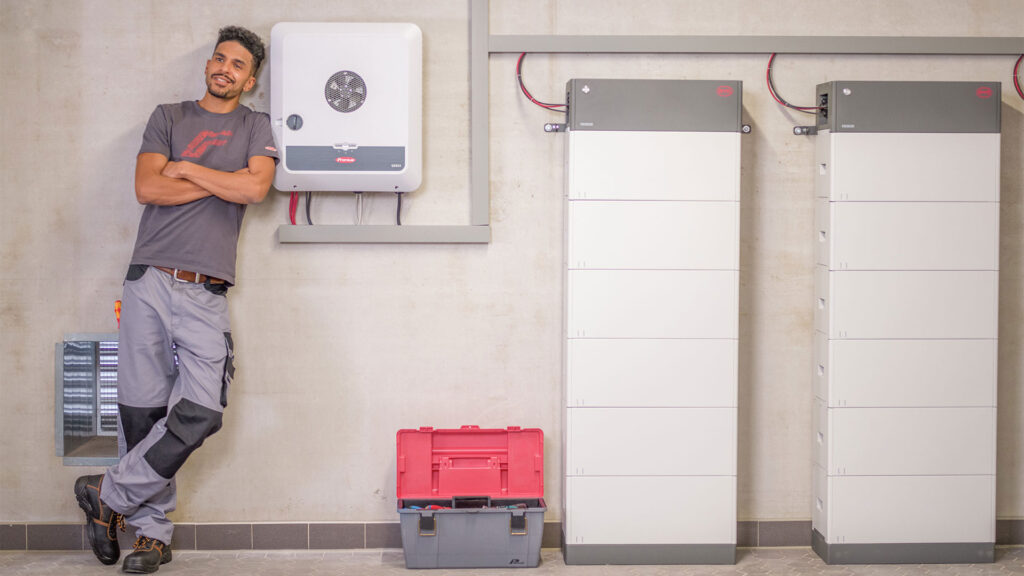
Not every building has a utility room or a basement, but alternatively, a garage also makes an ideal new home for your inverter. This is because, in addition to having enough room for cars, most garages have free space on the wall for the essential PV components. However, if the garage is small or you have a large car, this can sometimes make parking difficult.
Garage
| Pros | Protected against UV and rain, noise isn’t audible in living area, readily accessible |
| Cons | Cabling, not every garage has enough space; exhaust fumes and dust from DIY can clog the vents |
3. Outdoor inverter installation: what to consider for yard placement
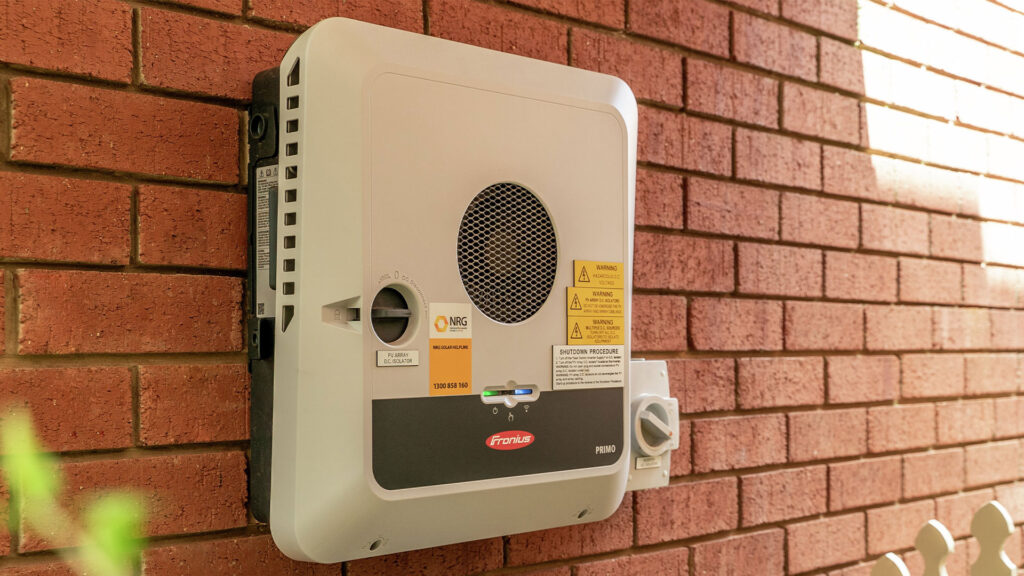
When indoor space is limited, the yard can offer an alternative installation space. This could also serve as an ideal location for an inverter, though it’s important to keep in mind that not every device is equally suitable for outdoor use. Power converters will have to withstand the elements in places exposed to wind and rain and could occasionally get a few drops of water on the housing. The IP protective class indicates whether the selected product is susceptible to dust and water. “IP” stands for “ingress protection”, and devices rated IP 65 or higher are generally capable of withstanding these conditions.
Walls facing south and west are generally less suitable, as they are exposed to stronger sunlight in the Northern Hemisphere than walls facing north and east.
Outdoors
| Pros | Saves on space; may allow for shorter cable runs |
| Cons | High IP protective class required |
4. Roof-mounted inverters: pros and cons
One option that is used primarily for larger rooftop systems in commercial settings is installing the inverter directly on the roof. This is ideal if there are shaded areas that are sheltered from wind and rain. Otherwise, a high IP protective class and special cooling technology are essential to prevent damage and yield losses. Installations on roofs are particularly challenging when the inverter needs to be mounted horizontally. Not all devices are capable of operating under these conditions, but your installer will know whether your unit can be installed horizontally.
Roof
| Pros | Shortest cable run, keeps PV components in close proximity |
| Cons | Roof has to be accessible for maintenance, protection from sunlight, horizontal installation in many cases |
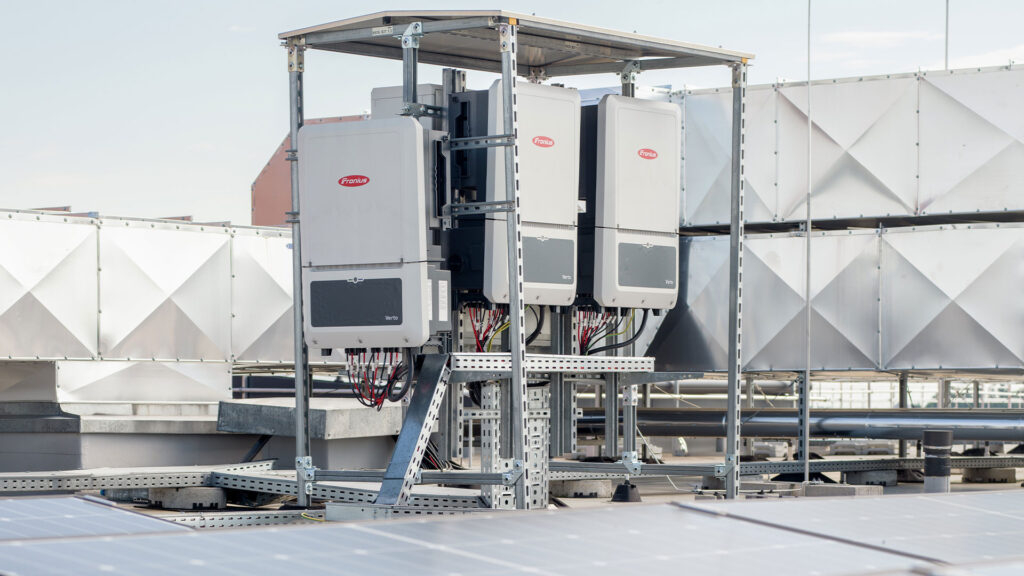
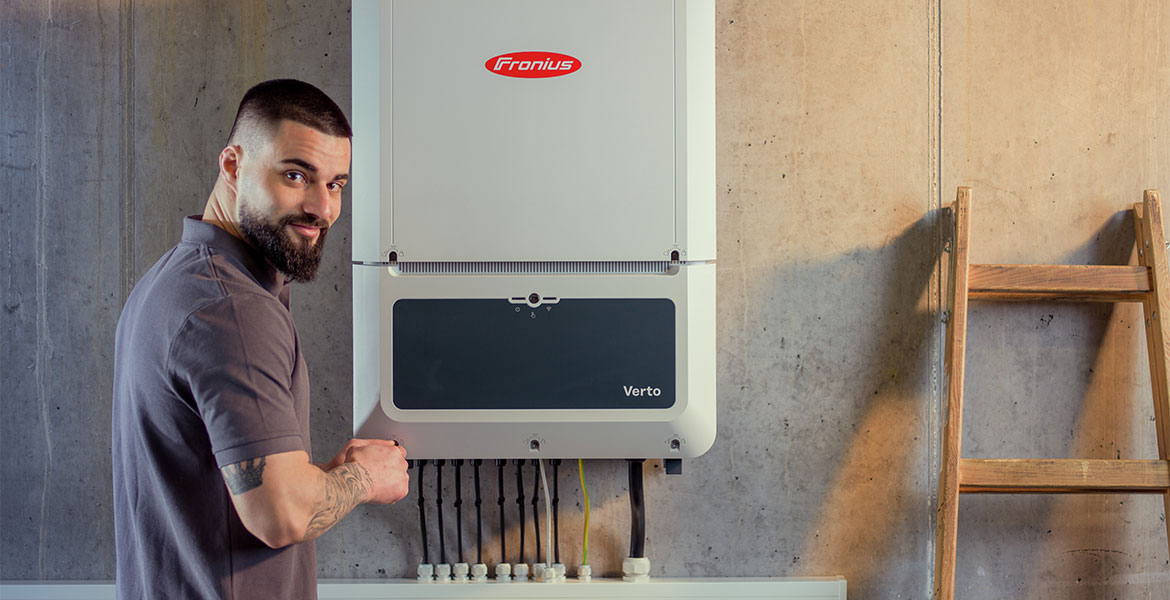
As a side note, Fronius does in fact offer an inverter that can withstand extreme heat—the Fronius Tauro. Designed for commercial use in extreme weather conditions, this product can easily withstand both heat and cold thanks to its double-walled housing. The only downside is that it’s too powerful for a home, but the smaller and more modern Fronius Verto makes a great choice here. Equipped with the appropriate installation set, it can also withstand direct sunlight on flat roofs and walls.
Frequently asked questions about solar inverter placement
Where is the best place to install a solar inverter?
There is no single, perfect location for an inverter, but rather a wide range of valid options that can promote high system efficiency and a long inverter service life. Whether it’s a utility room, basement, garage, or the roof—there’s a suitable spot in every home.
One thing’s for sure: each location has its own pros and cons. Not every garage will be equally suitable for housing the inverter, for example because it’s too small or gets too hot in the summer. On the other hand, the utility room may be cool enough for an inverter. If you’re unsure, your installer can help you find the best location for the inverter in your home.
What makes a location ideal for inverter installation?
The inverter should be installed in a place that is as cool and well-ventilated as possible, and free of dust. Especially with devices that use passive cooling technology, sufficient space must be maintained between individual inverters to prevent overheating.
Which locations should be avoided when installing an inverter?
There are just a few things to avoid in order to keep your devices in good working order and ensure you can rest in peace and quiet. While direct sunlight can cause high operating temperatures and thus shorten the product’s service life, living rooms and bedrooms should be avoided due to the potential noise produced by the inverter.
Can solar inverters be installed outdoors?
Yes, but not every device is equally suitable for this. The important thing is to check the device’s protective class. A rating of at least IP 65 is required to ensure adequate protection against water and dust.
Are all inverters suitable for horizontal mounting?
No, not all devices are suitable for horizontal installation. Your installer will know whether this is an option for the product in question.