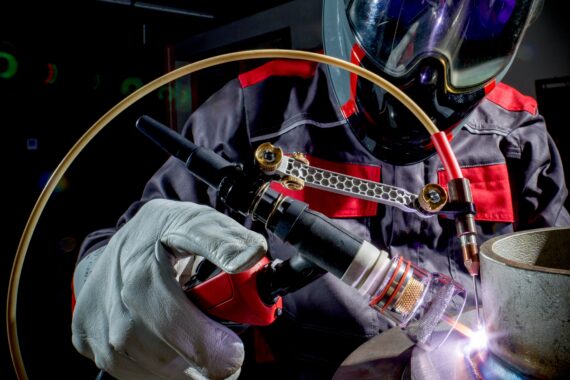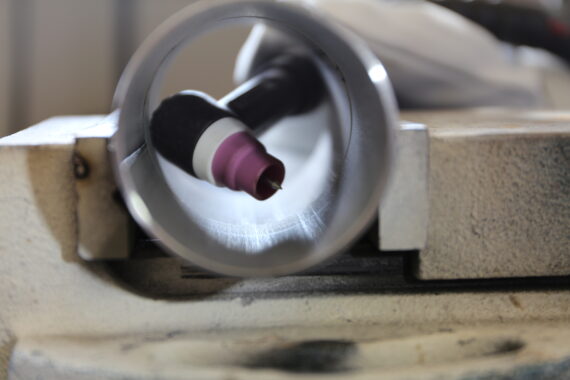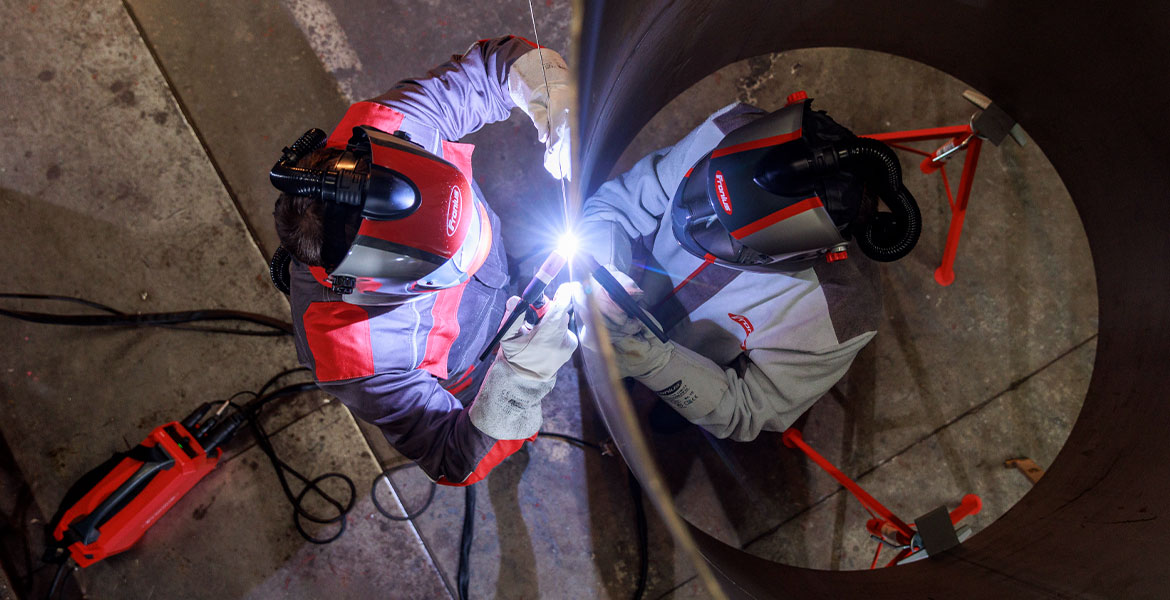
The most critical part of an underwater pipeline isn’t found in the ocean — it’s found in the welding process. The same goes for pipe systems in the food, energy, and chemical industries. High-quality weld seams determine safety, service lives, and costs. Defects arise in the welds if the details aren’t right; for example, parameters, seam preparation, or process variations. This article explains which factors are crucial and where manual processes reach their limits.
Between precision and risk: quality in industrial pipe welding
Welding pipes is not just about joining components. The quality of the weld seam determines whether oil, gas, water, or chemicals can be transported reliably and safely through the pipe. The range of applications is correspondingly broad—from high-pressure lines and cooling and heat transfer circuits to hydraulic systems in mechanical engineering.
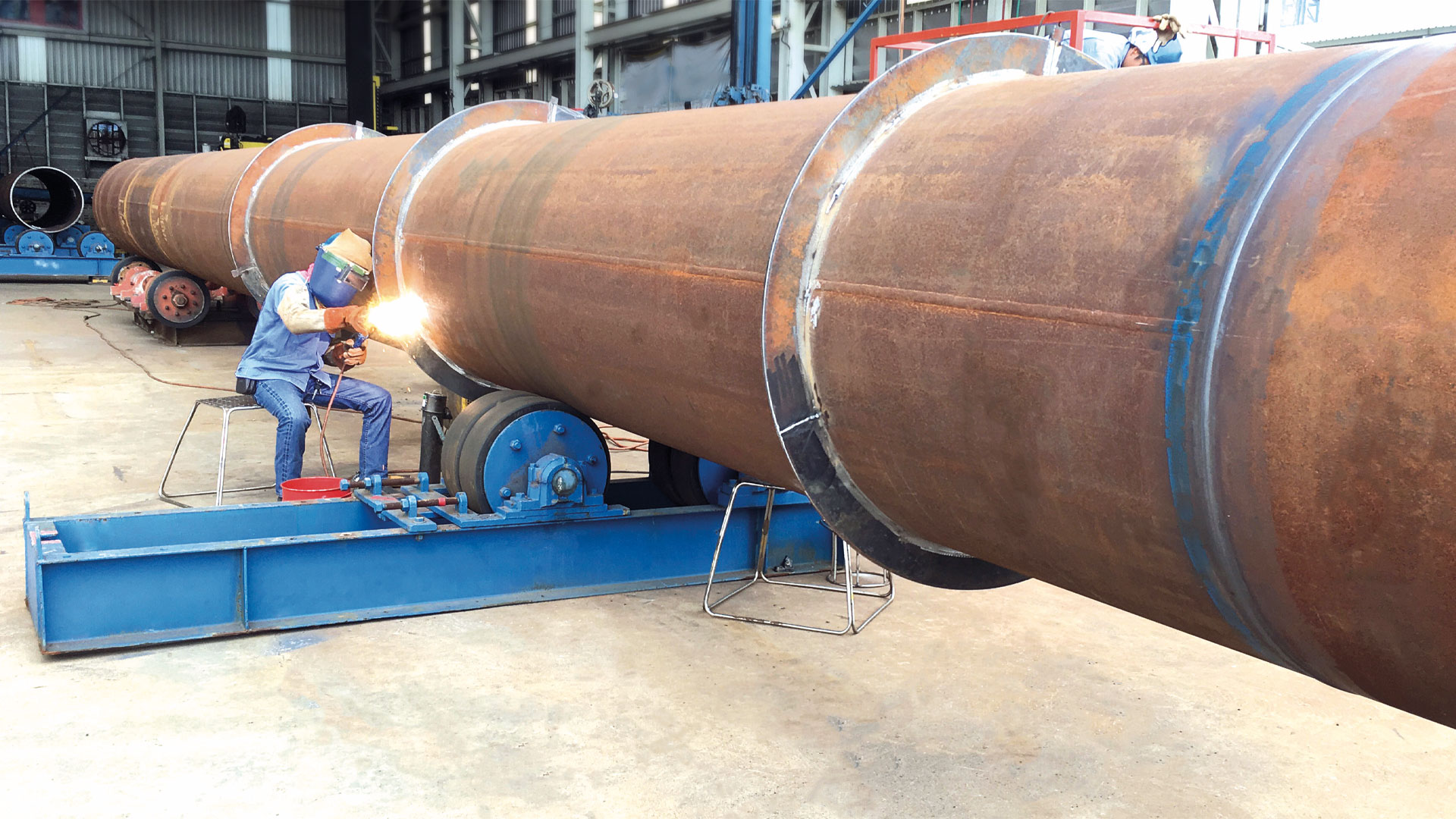
Difficult-to-access, tight radius areas, along with strict standards, make precise work a necessity in these fields. The weld seam must not only be durable, but also remain leak-tight and pressure-resistant. Stable and reproducible processes are therefore particularly important. Both experienced welders and mechanized welding systems play a key role in ensuring high quality. Only upon closer examination does it become clear where manual welding is the right approach and where automation should take over.
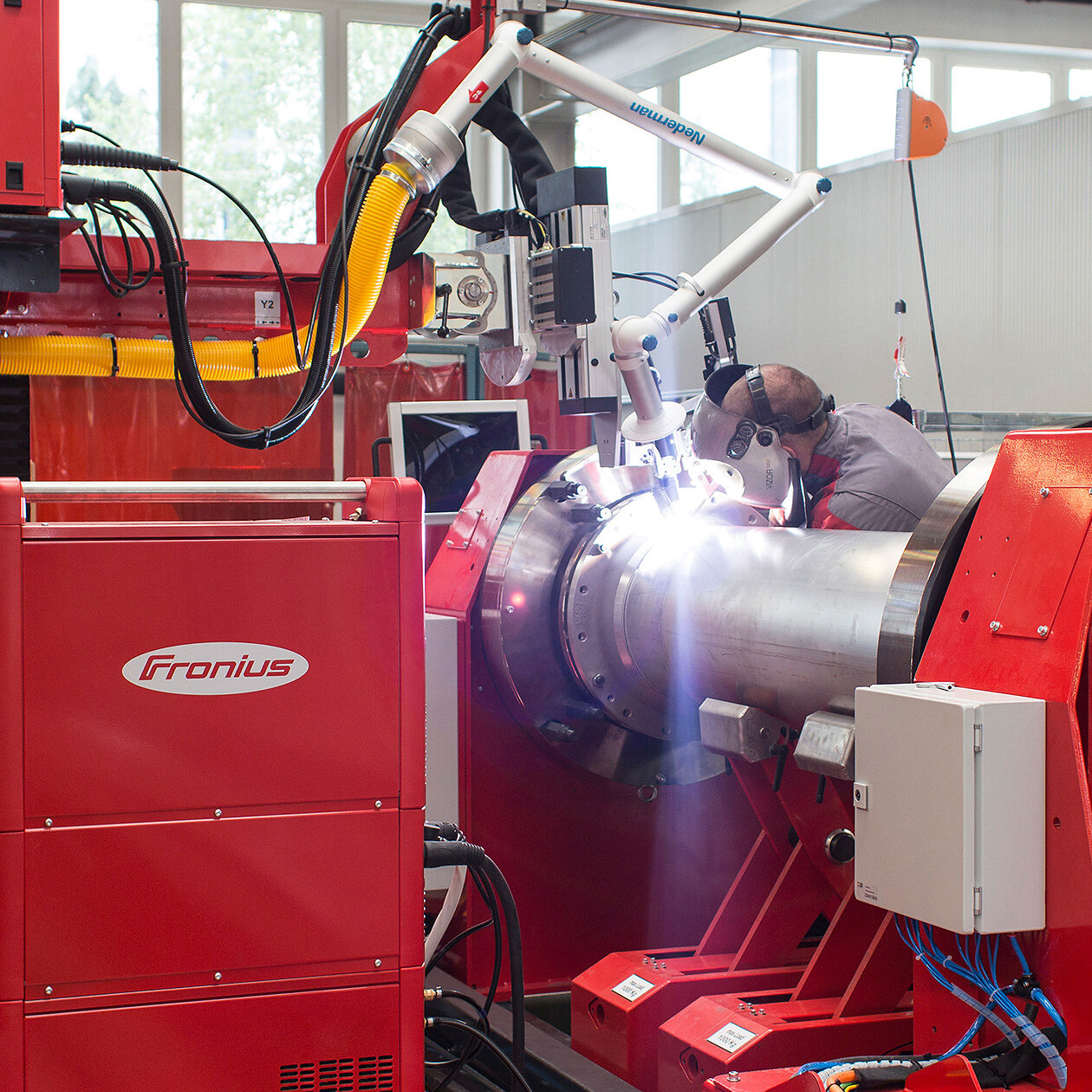
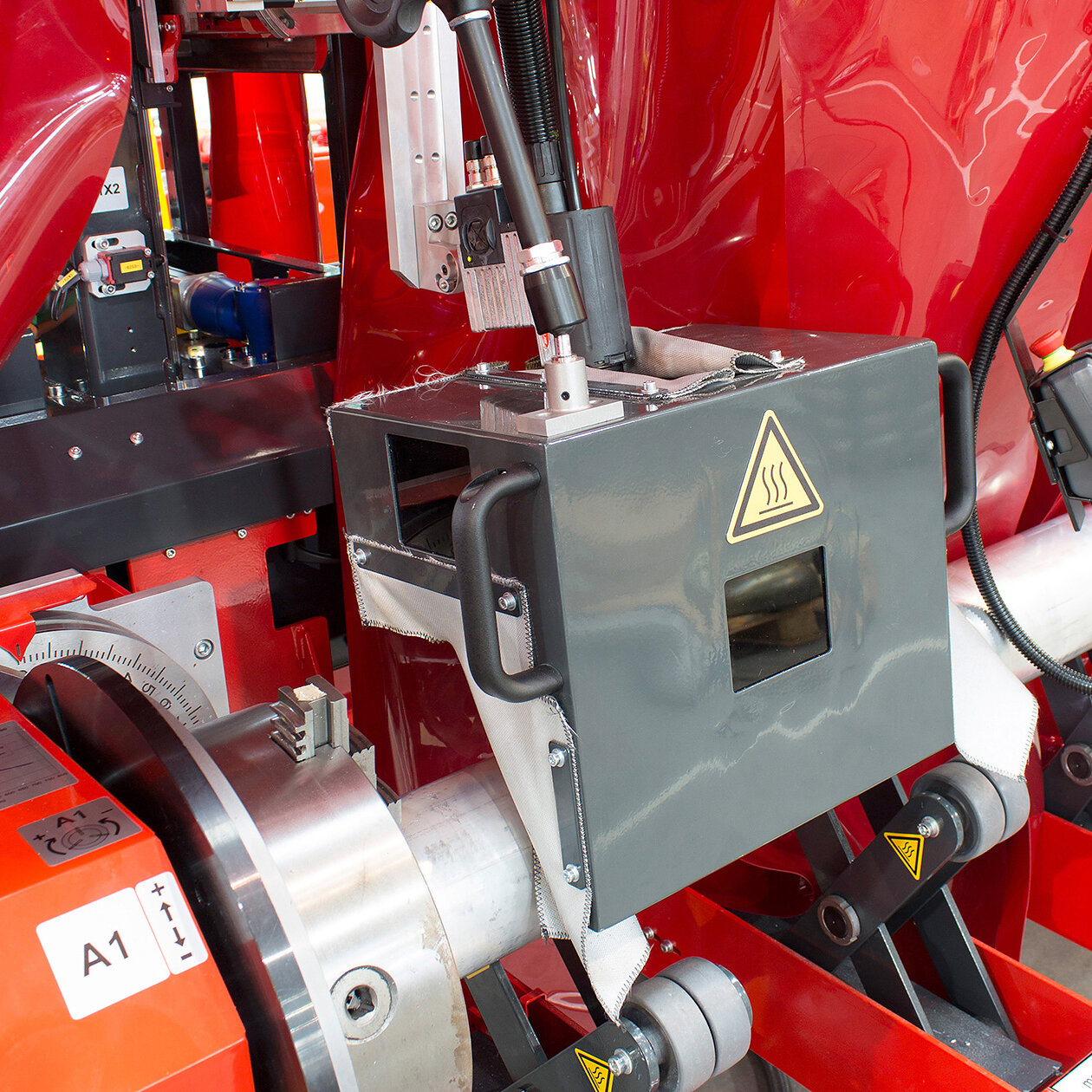
Mechanized circumferential welding of housings for gas-insulated high-voltage lines and of protective conduits for power lines
The biggest challenges in pipe welding
Welded pipe joints rarely fail for one single reason. During welding, several factors interact; from the heat input and the seam geometry to the material and the specific welding position. The use of various welding processes as well as different guidelines also influence the process.
Handling complex geometry and accessibility issues in welding
To ensure the quality of the weld seam and to prevent defects, special attention must be paid during component preparation to the geometry, varying wall thicknesses, and the specified welding process. Hard-to-access areas also make it difficult to control the arc and the weld pool.
What to do when cracks, distortion, or instability arise
If welding tests on the component reveal cracks, distortion, or structural instability, the originally chosen approach isn’t viable as it stands, and welding on the actual component can’t proceed. “In practice, this means adjusting the conditions, revising the design, or even selecting a different welding process, which requires significantly more time and effort,” says Andreas Fischer, Key Solution Expert Welding Automation at Fronius International.
Why weld seam sequence matters in pipe welding
The weld seam sequence in multirun welds also plays a crucial role, as an unfavorable sequence, combined with inadequate cleaning of the intermediate layers or failure to strictly adhere to clearances and tolerances, leads to defects that often require a considerable amount of additional work to correct. This shows just how fragile the entire process is.
Common mistakes when welding pipes
The following challenges increase the risk of defects in the weld seam:
- Inaccurate seam preparation
- Incorrect parameter selection or fluctuation
- Inadequate cleaning of the weld seam areas
- Errors in the root pass
- Distortion caused by uncontrolled heat input
Even a minor cosmetic flaw in a visible steel structure can lead to leaks, corrosion, or even the failure of entire pipe systems. Consequently, the quality assurance and documentation requirements for pipe welding are high. The table below illustrates the specific consequences these errors can have:
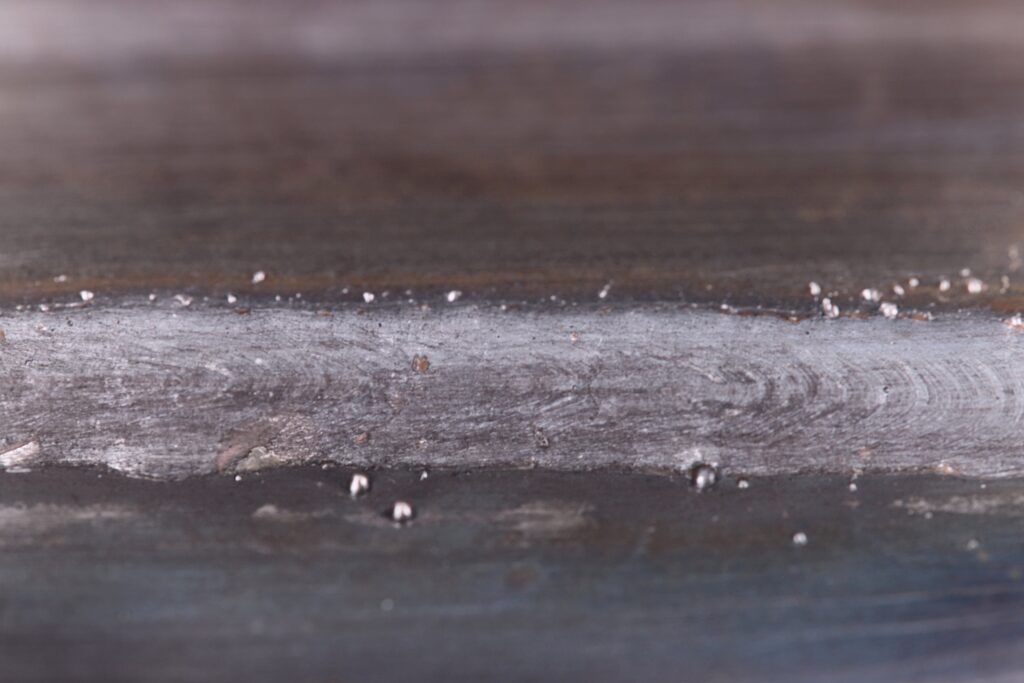
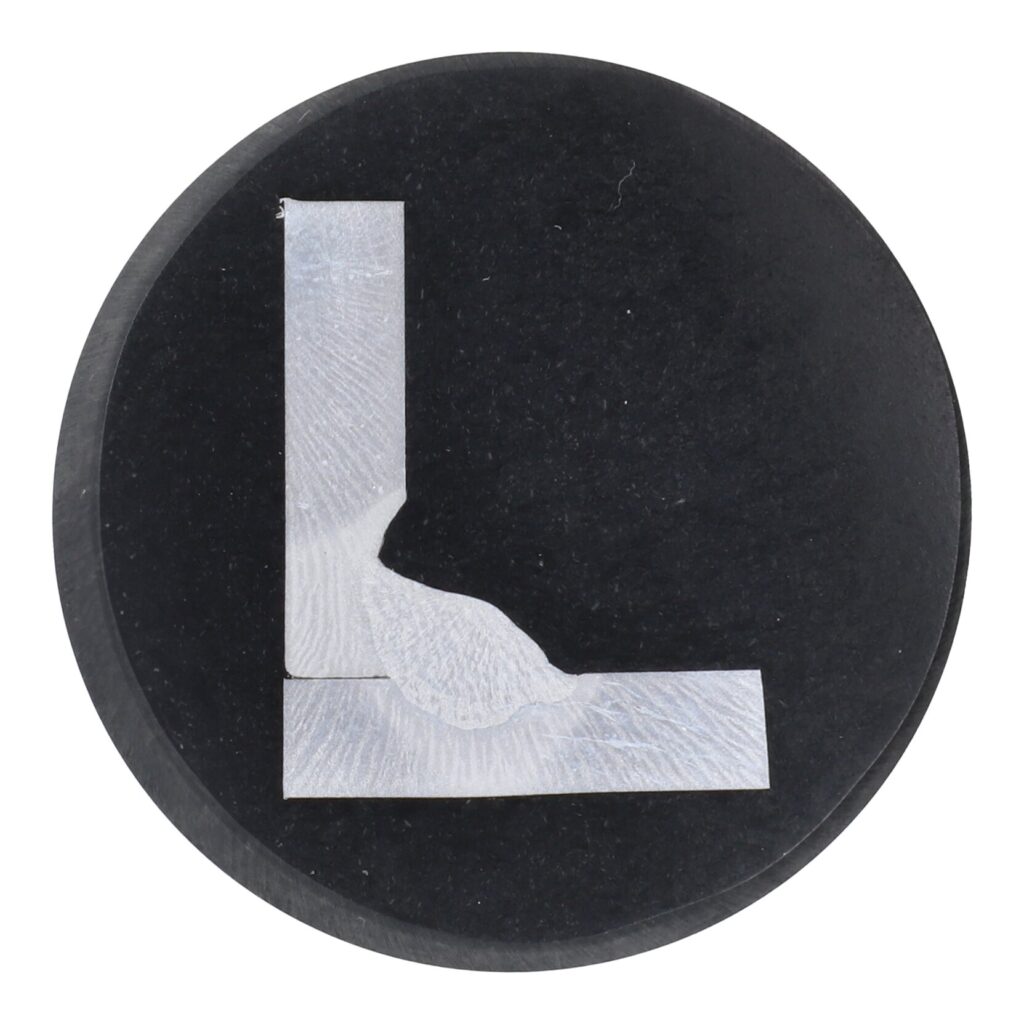
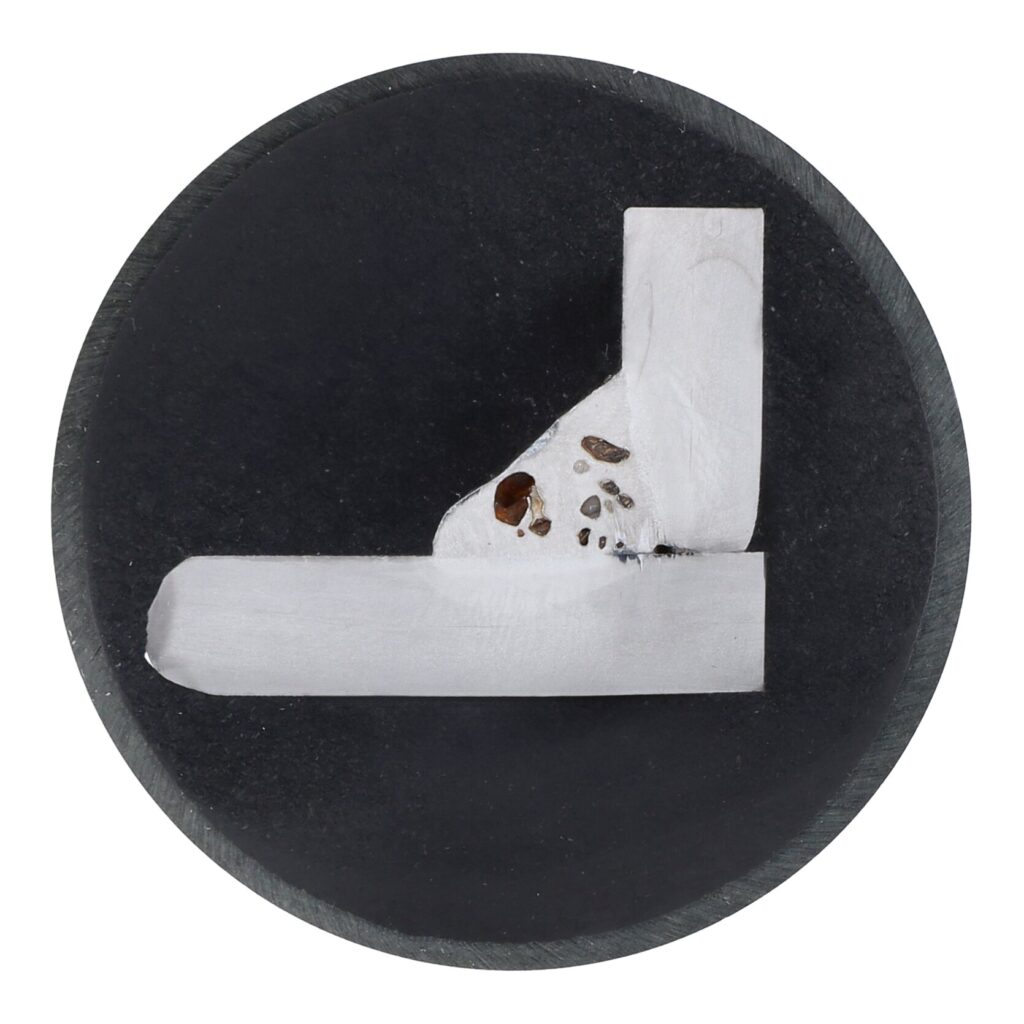
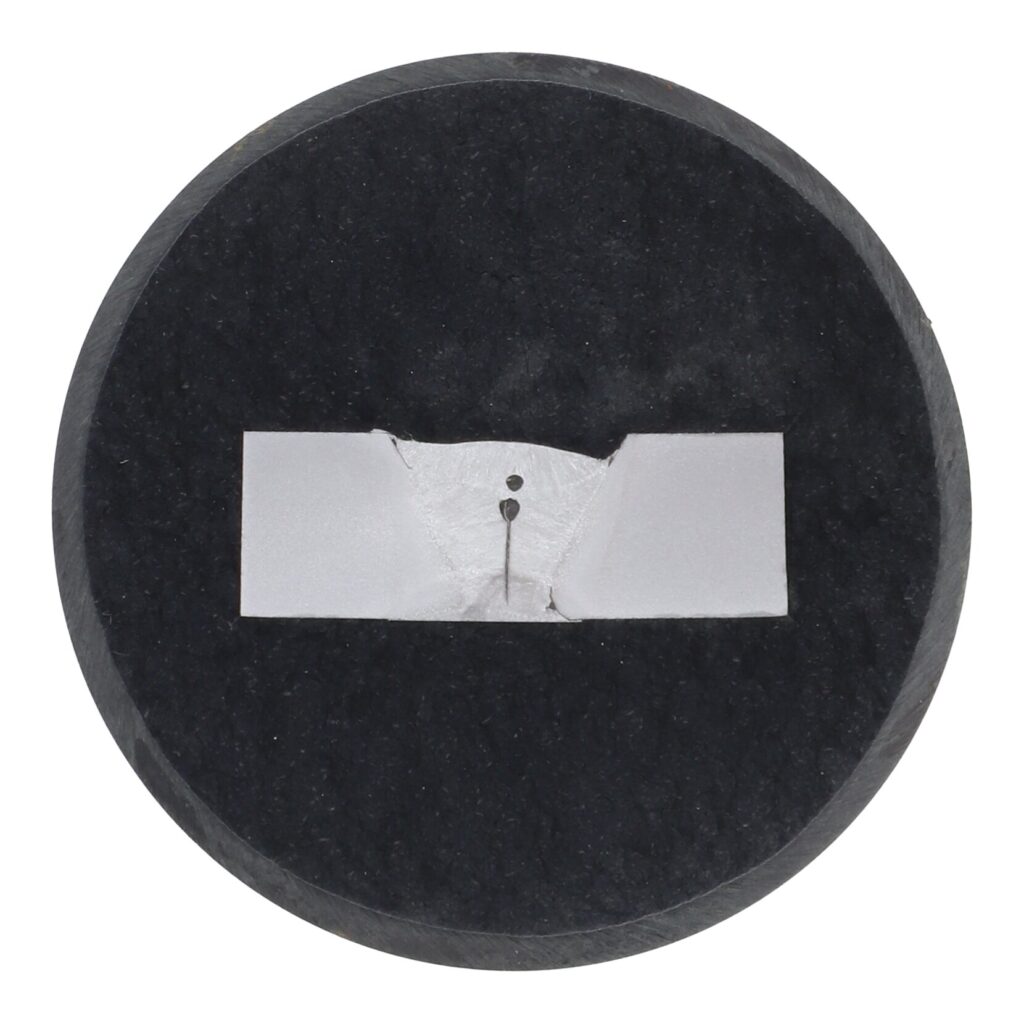
The more factors that come into play, the more difficult it becomes to achieve consistently reliable results in pipe welding. A manageable end-to-end process and thorough preparations are therefore becoming increasingly important, particularly as a way to proactively prevent errors. Reproducible and automated processes are gaining in importance in this context.
How to prepare pipes properly before welding
The quality of the weld seam is determined long before the first arc is ignited. Whether a pipe is used in the food industry or in a pipeline, for example, has a direct impact on quality requirements, testing methods, and permissible tolerances. Preparation for pipe welding plays just as important a role as economic considerations, workplace safety, and the environmental conditions.
Precise seam preparation
Cleanly cut pipe ends, correct geometries, and tolerances adhered to precisely form the foundation for high-quality welded joints. Pipe connections are typically produced in several successive welding passes—from the root pass through the filling runs to the final run. Each run therefore has its own specific requirements in terms of parameters, execution, and timing.
Choosing the right welding process for pipes
The welding process and material selected have a significant impact on the requirements for preparation, tolerances, and weld seam quality. In both manual and mechanized welding, processes such as MIG/MAG or TIG are used. These processes include process variants tailored to specific requirements. Before you continue planning, you should therefore consider the following: the more complex the process, the less room there is for error during preparation.
- MIG/MAG and CMT are the team players among the processes. They deliver consistent results even with minor deviations. Small air gaps are bridged by the wirefeeder/filler material.
- TIG is a master of precision. Without perfect preparation, it is impossible to achieve high-quality weld seams. More specifically, this means surfaces must be completely clean and free of grease, pipe ends must be cut precisely, and even minor imperfections must be addressed as they directly impact the result.
- Plasma welding and ArcTig are the powerhouses. Both processes join thick walls very quickly. But the same applies here as well; careful preparation, clean surfaces, and precisely cut pipe ends are an absolute must.
- Electrode welding is the master of improvisation on construction sites. It is the most forgiving of minor imperfections and can also cope with less-than-ideal conditions. You should still make sure the edges are thoroughly cleaned though.
Practical pipe welding applications
The following examples illustrate how much the choice of process depends on the application. Stainless steel pipes are used, among other things, in sensitive applications such as the food industry, where transported liquids such as oil, gas, or water come into contact with the weld seam. The cleanliness and surface quality requirements are therefore very high.
For this reason, the TIG process, or alternatively the plasma welding process, is used here. Both processes produce very high seam quality. However, the TIG process is more difficult to mechanize because tight tolerances must be taken into account.
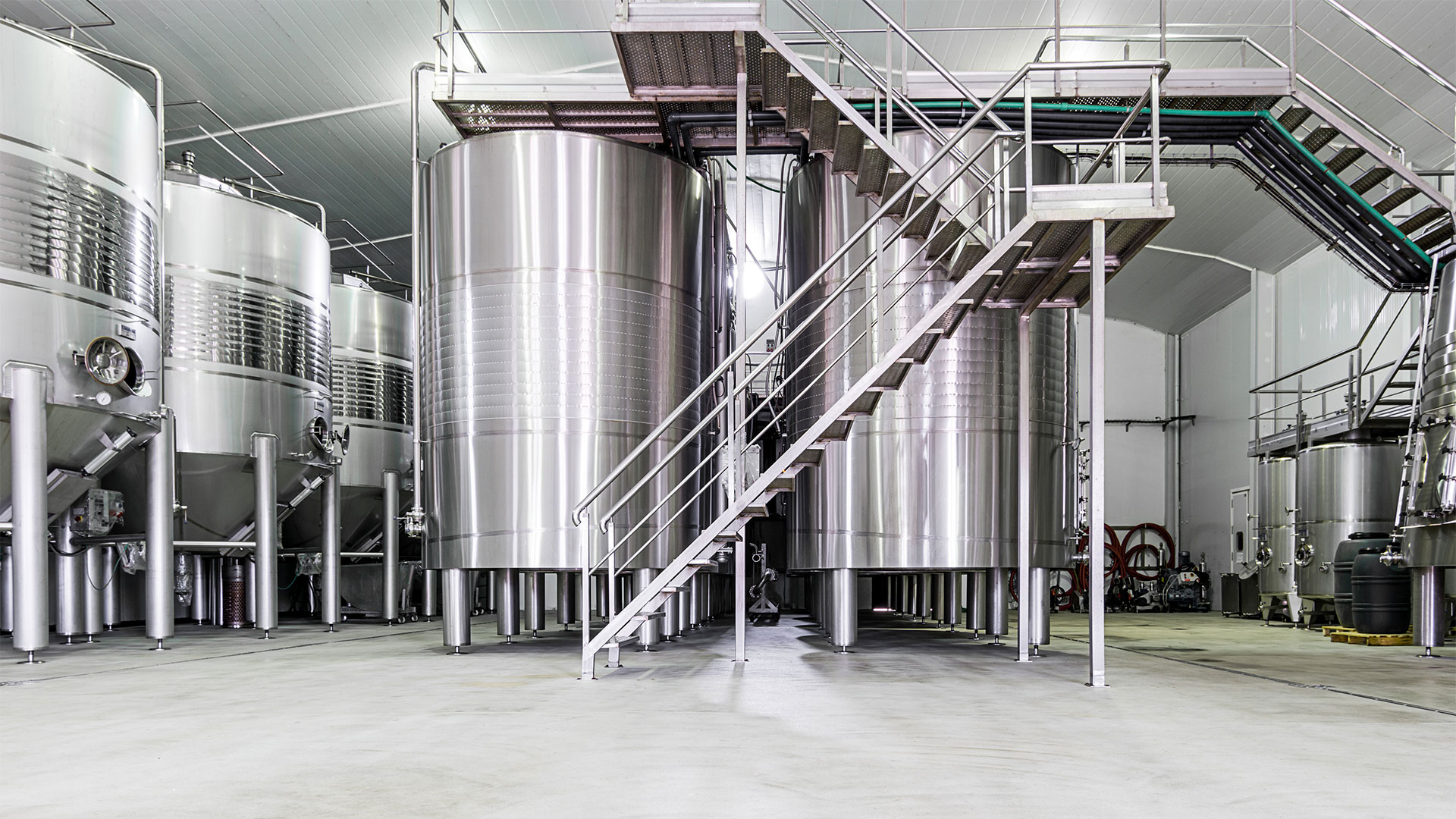
Another critical factor for stainless steel pipes is forming. This ensures that the root of the weld seam does not ‘burn’ and that no corrosion problems arise. “In mechanized processes, forming can be precisely controlled, as the gas flow rate is set, and the welding process does not start until the required conditions are met,” explains Fischer.
Welding coated pipes (for example, using MIG/MAG or CMT) presents different challenges, since, under certain conditions, the coating must be mechanically removed in the weld seam area. In any case, an appropriate fume extraction system is needed to protect against toxic fumes and dust.
Quality requirements and testing methods for pipe welding
High quality standards require clearly defined welding processes, appropriate qualifications, and documented procedure tests. One way to meet these requirements is to automate welding processes. This plays an important role here, as it facilitates reproducible results and consistent compliance with regulatory requirements.
Equally important is the traceability of these results. The documentation of the weld seam is therefore an essential part of quality assurance. Digital solutions help automatically record process data and integrate it into the overall process.
Detecting defects: common testing methods
Critical defects such as fusion defects, incomplete penetration, or internal leaks are not visible at first glance, even when welding pipes. They will only become apparent after further testing.
Depending on the requirements, different methods are used:
- Visual Inspection: initial visual quality control
- X-ray: to detect pores, inclusions, or cracks
- Ultrasound: internal defects and weld seam thickness measurement
- Dye penetration testing: for surface cracks or pores
- Pressure test: verification of the leak tightness of a closed system
The role of automation in achieving reliable pipe welds
Manual welding, in particular, demonstrates just how much quality depends on the interplay between experience and working conditions. Limited accessibility or physical strain make it difficult even for experienced welders to maintain consistent parameters over extended periods of time. The result is less a matter of skill and more a matter of the circumstances: in practice, welding speed, heat input, and weld seam guidance are subject to natural fluctuations.
It is precisely these challenges that are exacerbated by another factor. “Due to the shortage of skilled workers, the focus is shifting from purely manual work toward operating systems and understanding complex processes. Automated processes offer clear advantages in this area, as all parameters can be recorded, documented, and reproduced,” Fischer explains.
In addition, assistance systems such as WireSense help compensate for component and clamping tolerances by using the wire electrode as a sensor. “But not all tolerances or differences can always be compensated for purely through technical means. In such cases, the welder’s experience remains crucial for identifying and correcting deviations,” Fischer emphasizes.
Manual vs. automated pipe welding
| Pipe welding | Manual | Automated |
|---|---|---|
| Pros | High flexibility with complex geometries and individual parts Adapting to situations through experience Low investment costs Use in hard-to-access areas | High reproducibility = consistent quality Strict compliance with regulatory requirements Parameters and process data are traceable at all times Efficiency benefits in mass production |
| Cons | Lower reproducibility Highly dependent on experience and qualifications (skilled workers) Greater susceptibility to errors | Higher investment costs Limited flexibility when requirements change |
Conclusion: achieving consistent, high-quality welds in pipe welding
Reproducible results start with thorough preparation: precision-machined components and strictly adhered-to tolerances lay the foundation for eliminating sources of error.
As the use of automated systems increases, the role of skilled welders is also changing. Traditional craftsmanship has evolved into a combination of experience, an understanding of processes, and machine operation.
In practice, this requires adjustments at several levels—from component design and seam preparation to employee training. The key factor here is not whether welding is carried out manually or automatically, but which system delivers more consistent and reproducible results under the given conditions.
FAQs
Which welding processes are best suited for pipes?
The choice always depends on the material, the quality requirements, the welding position, and the operating conditions.
The MIG/MAG process is particularly well-suited for higher production volumes. The process is versatile and enables high welding speeds, for example, for steel, stainless steel, and aluminum.
The TIG process is often used when a particularly high-quality weld is required, such as for stainless steel pipes in the food or chemical industries. It produces clean and precise weld seams, but requires experience.
Electrode welding (MMA) is frequently used in assembly areas or on construction sites. It is robust, flexible, and works well on thick-walled pipes.
Plasma welding is also used for thick-walled pipes, but it is significantly faster than conventional TIG welding and results in less distortion due to the concentrated heat input.
How do you prepare pipes for welding?
The preparation of pipes for welding involves several coordinated processes. The first step is to cut the pipe ends to size cleanly, deburr them, and align them precisely. Geometry and tolerances must be correct before the welding process begins. This is followed by seam preparation and thorough cleaning of the joint surfaces.
Depending on the material (such as stainless steel) a forming process is also used to protect the root. Next, the welding parameters are set, and the components are secured and tacked. The quality of the weld seam is largely determined by this preparation.
How can you avoid common mistakes when welding pipes?
With consistent process management and thorough preparation, common mistakes can be avoided. It is important to adhere to the specified tolerances and to thoroughly clean the joint surfaces. Equally crucial are the correct choice of welding process and consistent welding parameter settings, tailored to the material, wall thickness, and welding position.
Defects often result from uncontrolled heat input or a lack of coordination in multirun welds. Therefore, the weld seam sequence, layer build-up, and interpass temperature should be closely monitored.