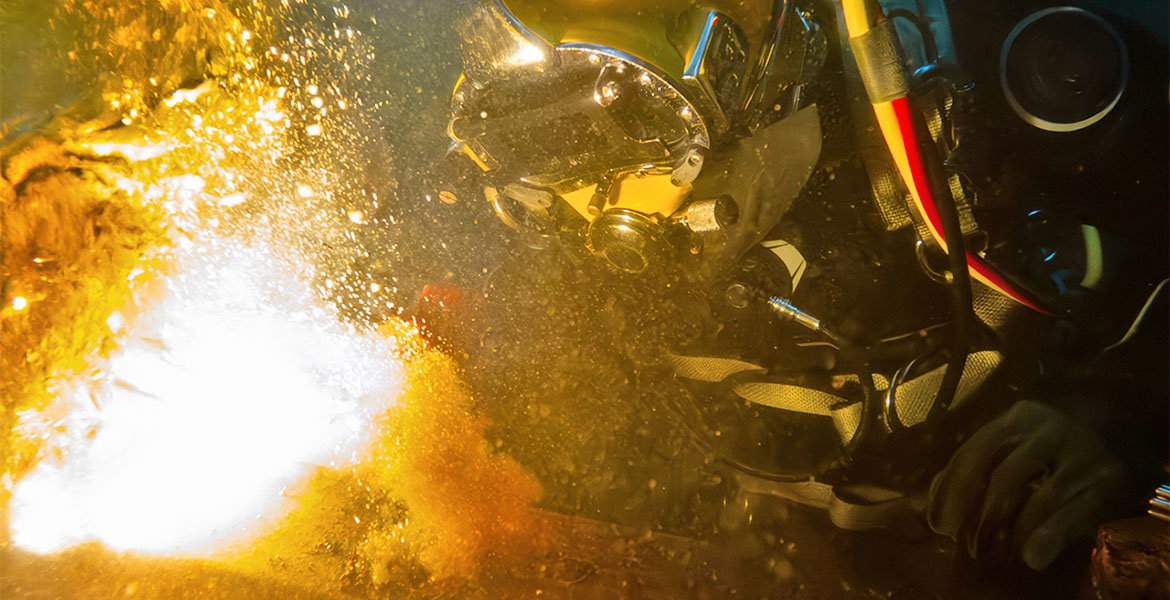
Spending up to twelve hours at a time under water without food or drink would be unimaginable for most of us. For Kirk Hooker, however, it’s just another day at the office. For decades, his job has taken him to the most untraditional construction sites imaginable – beneath the water’s surface, where time pressure, limited visibility, and harsh conditions are simply part of the job. So which dangers of underwater welding are real, and which are just myths? Hooker offers some rare insights into a working environment where precision, experience, and unfailing concentration are key.
What do underwater welders actually do?
Put simply, underwater welding involves producing or repairing metal joints under water. In practice, this work is often carried out on steel structures such as bridges, port facilities, ships, or pipelines. The welders themselves are specifically trained professionals with extensive diving experience alongside traditional welding skills.
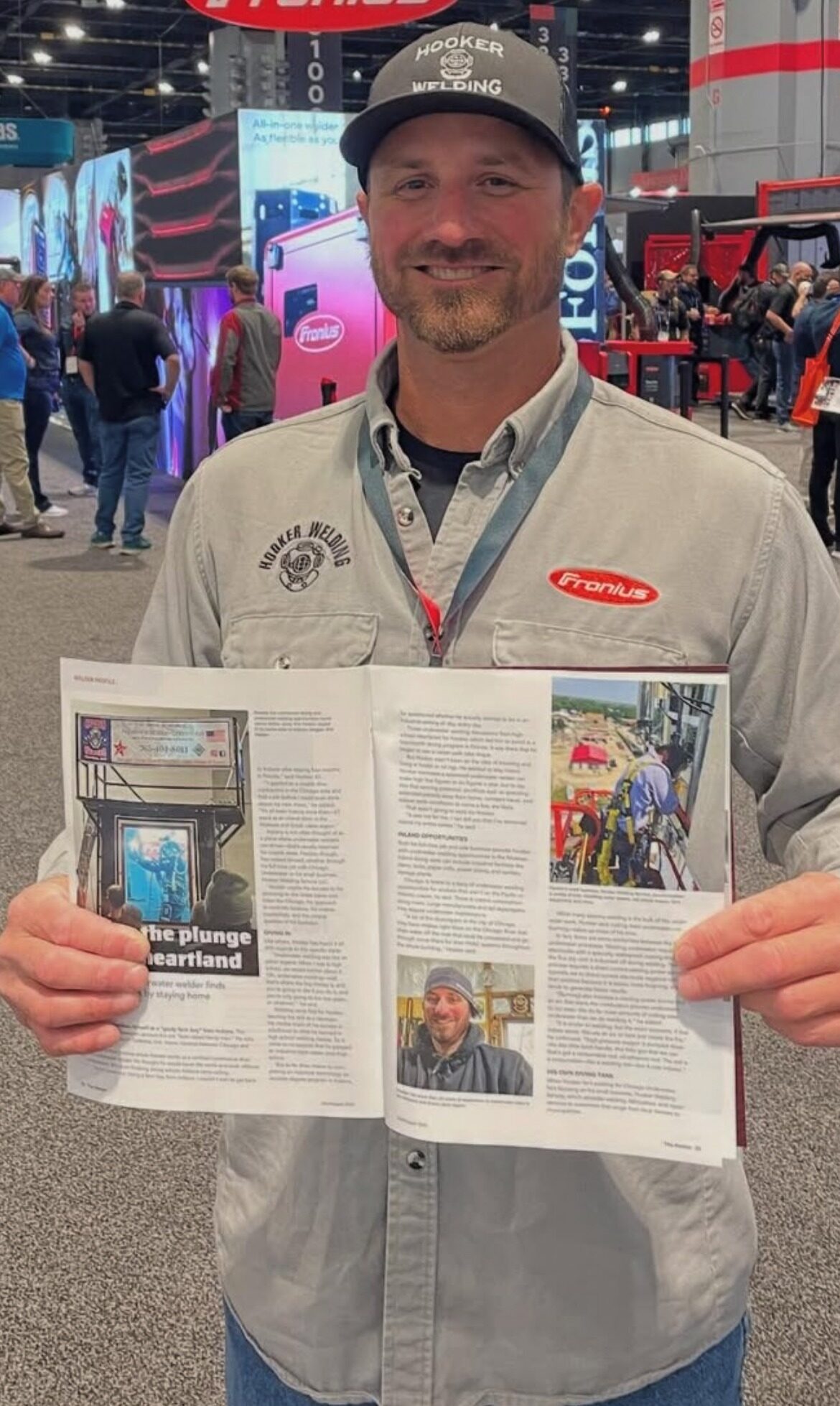
After more than 20 years in the industry, Kirk Hooker understands just how diverse the job can be: “Welding is just one aspect of the profession. You also carry out inspections, salvage operations, marine construction, and cutting and assembly work.”
What are the main applications of underwater welding?
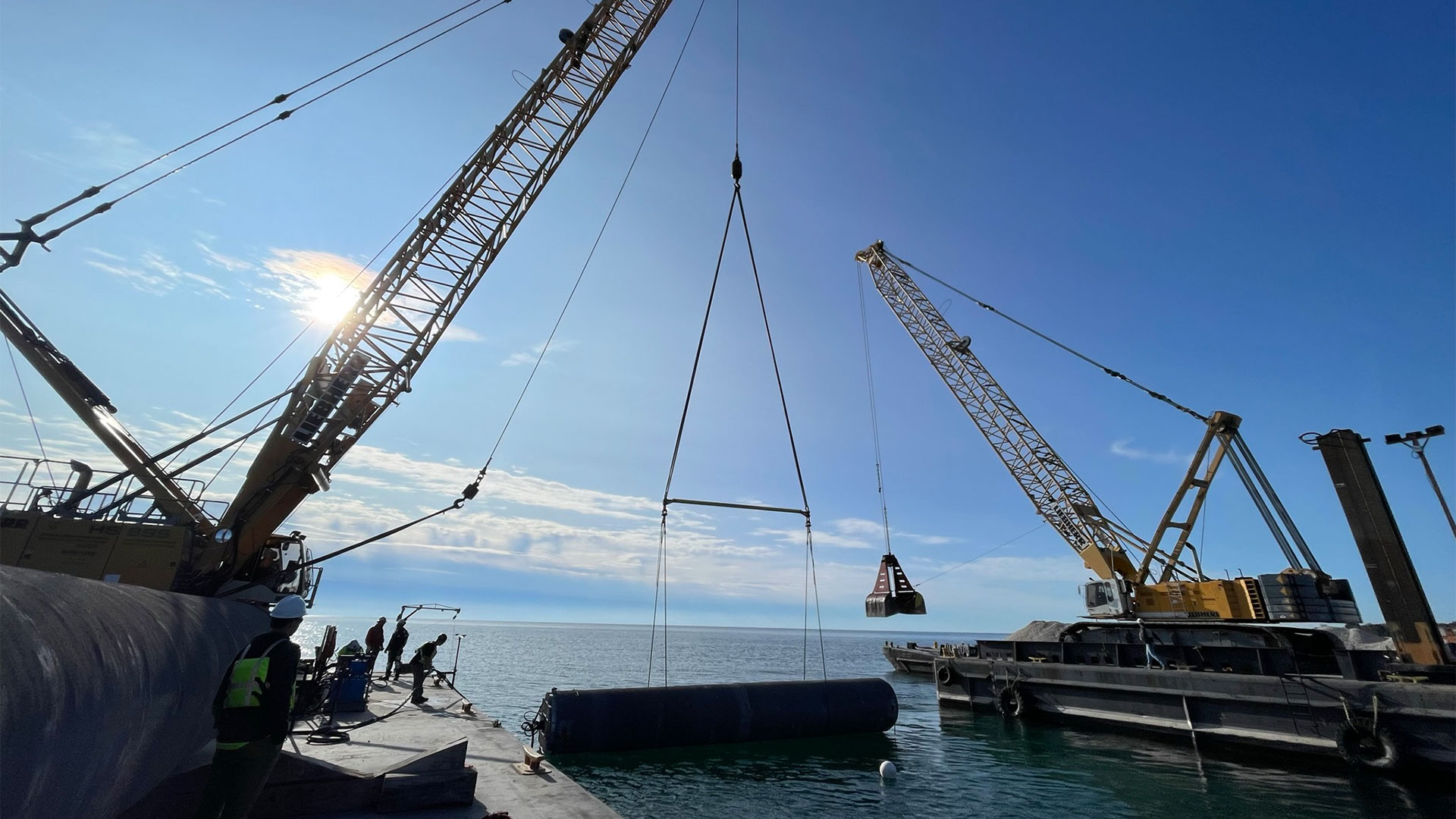
Underwater welding is carried out wherever infrastructure in and around bodies of water needs to be maintained or repaired. Typical locations include:
- Locks and dams
- Ships, port facilities, and docks
- Bridge foundations
- Pile foundations
- Drinking water systems and reservoirs
- Power plants and steelworks
- Underwater pipelines and power cables
- Underwater salvage operations
Underwater welding is particularly important in the offshore sector, where platforms, wind farms, and other maritime infrastructure need regular maintenance, repair, or expansion.
Wet vs. hyperbaric welding: what are the differences?
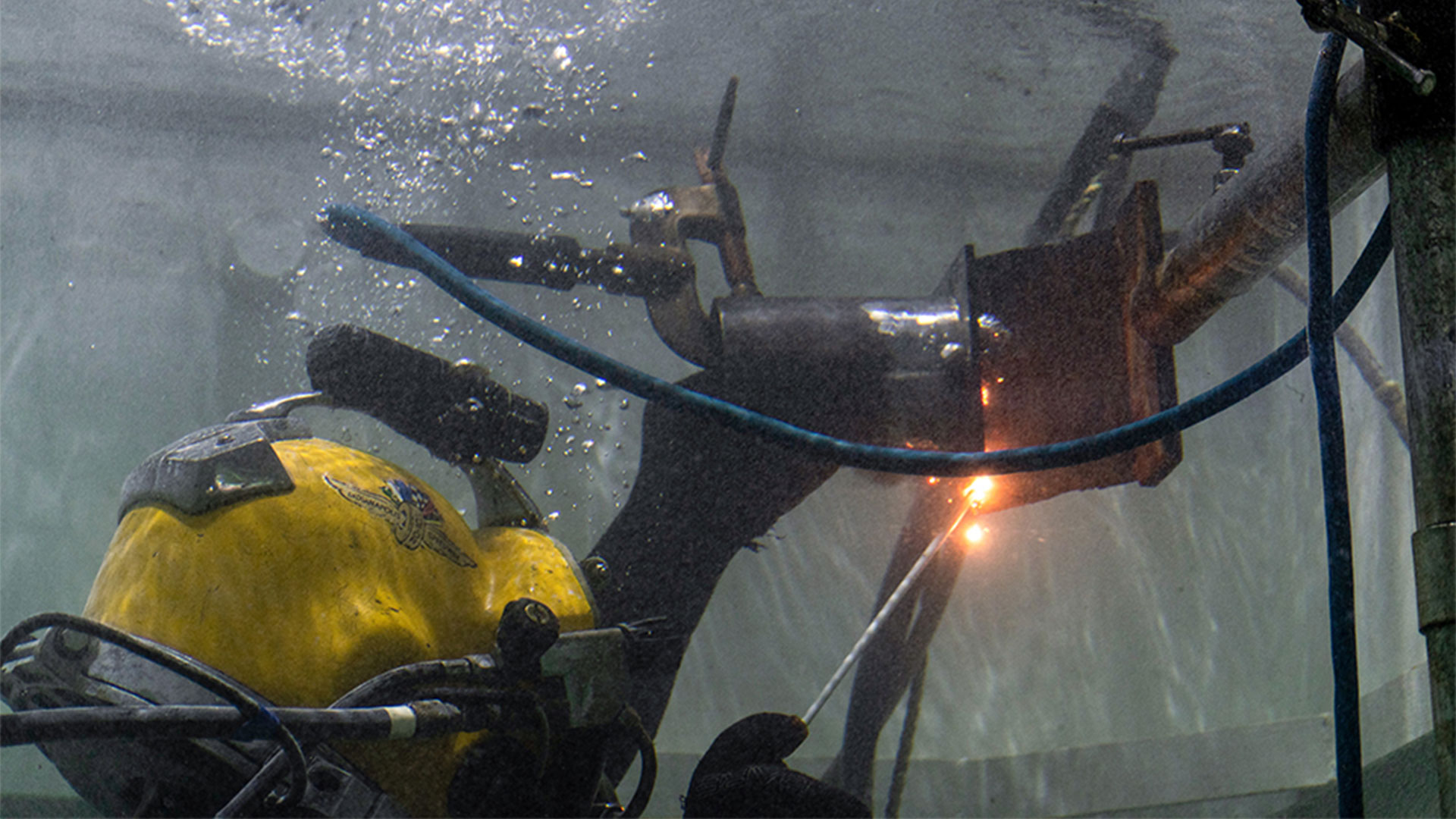
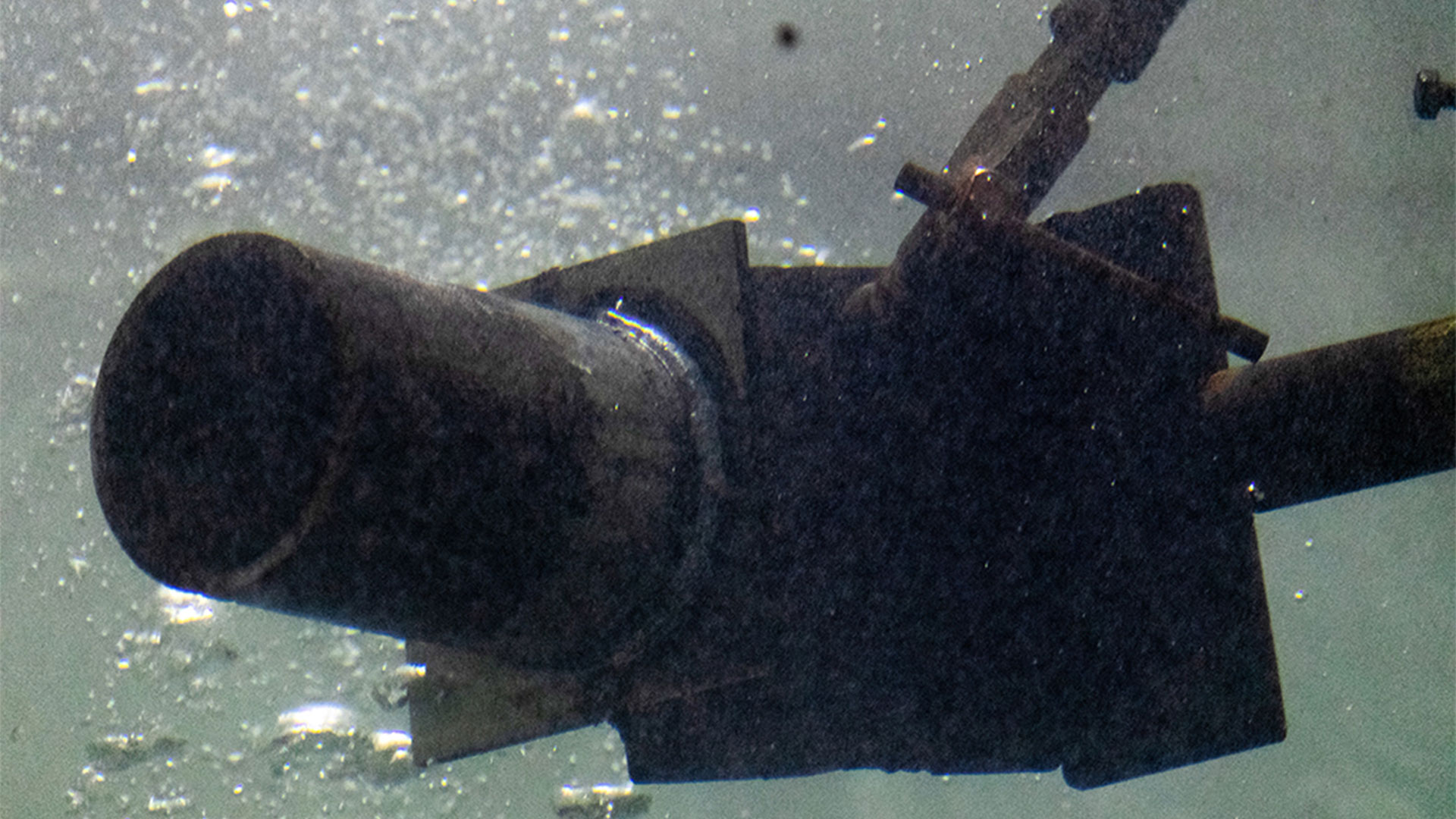
There are two types of underwater welding: wet welding and dry or hyperbaric welding. Wet underwater welding involves the welder working directly in the water, with no mechanical barrier between the water and the arc.
This type of welding is often used when a quick and flexible solution is needed (such as urgent repairs), primarily with an electrode.
What is hyperbaric welding?
Dry or hyperbaric welding is also performed under water, but the weld area itself is shielded from the water by a dry chamber. This can range from small enclosures that cover just the welding area to ones large enough to accommodate an entire team of welders.
Hooker cites tunnel construction as a typical example of hyperbaric welding: “Say you’re boring a tunnel underneath a river such as the Hudson in New York. The tunnel is pressurized to a degree that equals or even exceeds the pressure of the water above it. This prevents water from getting in, allowing repairs or welding work to be carried out on the drilling rig under drier, more controlled conditions,” says the welding expert.
In this dry environment, it is possible to achieve weld seams that are not only visually more uniform, but also often of a higher quality than those produced by wet welding. The American Welding Society’s D3.6M:2017 Underwater Welding Code defines different quality classes. The highest class is intended for applications that require weld seam quality comparable to that achieved in high-quality welds on dry land.
Info box: wet vs. hyperbaric welding
| Wet welding | Dry/hyperbaric welding | |
|---|---|---|
| Working environment | Welding is performed directly in the water, with no mechanical barrier between the water and the arc. | The welding area is located in a dry chamber, in which the pressure is adjusted to match the water depth. |
| Applications | Quick repairs, maintenance, and jobs in hard-to-reach areas. | Preferred when higher quality requirements are placed on the joint, such as in critical structures. |
| Weld seam quality | Weld seam quality is more difficult to control because the water rapidly cools the weld pool and increases hydrogen absorption in the weld metal. This increases the risk of hydrogen-induced cracks or porosity. | Generally produces higher-quality weld seams because the conditions are closer to those of conventional onshore welding. |
| Typical processes | MMA | Depending on the setup, it is possible to use processes that are more similar to conventional onshore welding, such as TIG or MIG/MAG. |
| Advantages | Quick to set up, portable, flexible | Better control, higher weld seam quality |
| Disadvantages | Poor visibility and challenging conditions | High costs and very complex technically |
Challenges of underwater welding
“The days start early. Poor visibility, pressure, cold, and demanding welding work are part of my everyday—and often just getting to the welding site itself is a logistical and physical feat,” says Hooker of a job where the challenges begin even before the first weld seam is made.
Poor visibility
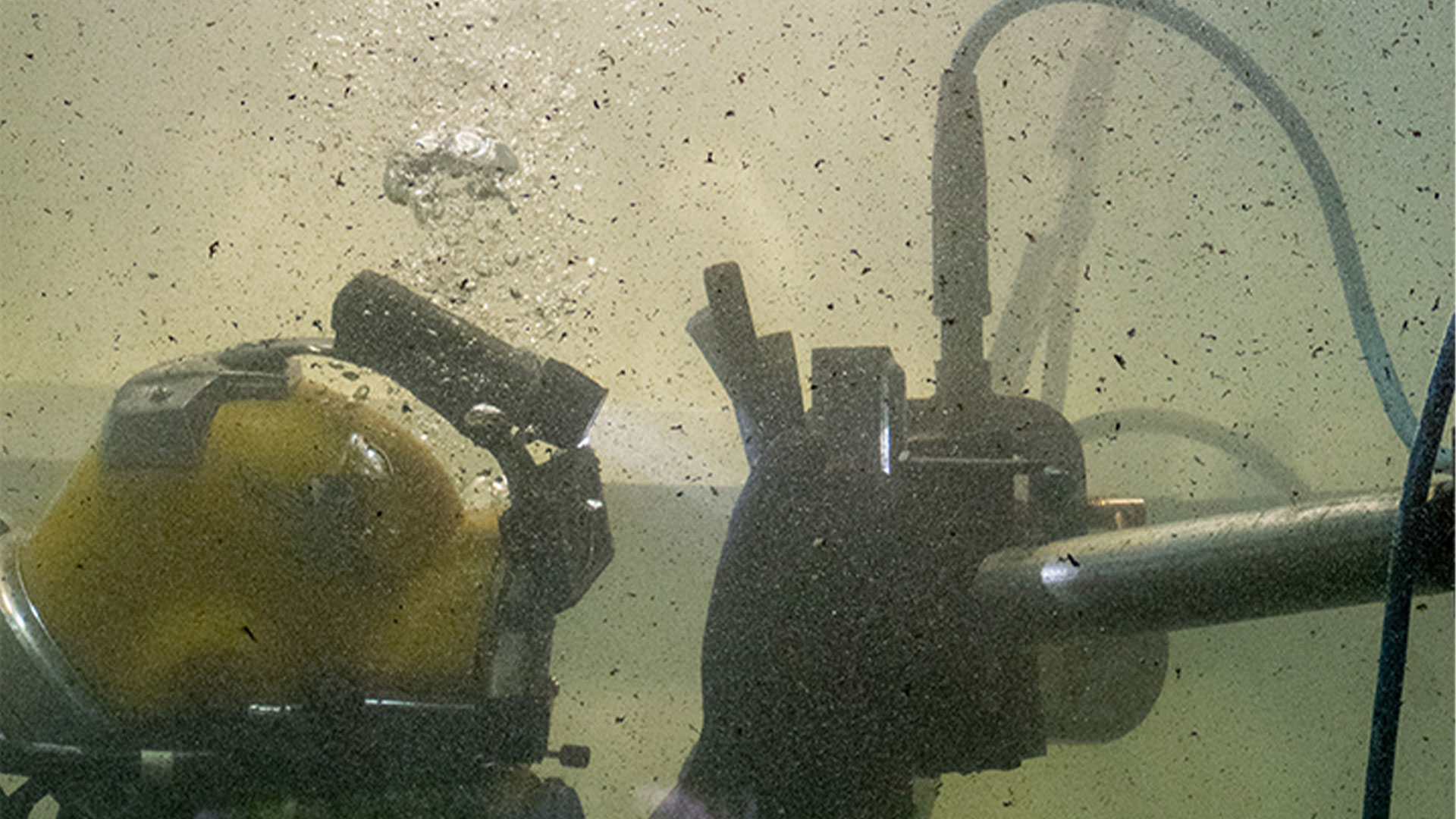
The rules of the game change completely for welding under water. Cloudy water, darkness, suspended particles, and air bubbles make it difficult to clearly see the arc and the weld pool.
At the same time, the surrounding water constantly cools the weld, which makes the process more unstable. This is particularly problematic when it comes to wet welding, as it is more difficult to control the weld seam quality, and the risk of more brittle or crack-prone joints increases.
Water currents
Water currents can be unpredictable and pull on professional divers as they try to do their jobs. Lead belts and buoyancy aids can help, but depending on the location, the water may be calm or constantly moving. Underwater welders must therefore be familiar with the work environment and the depth of the work site so that they can prepare accordingly.
Cold water and temperature
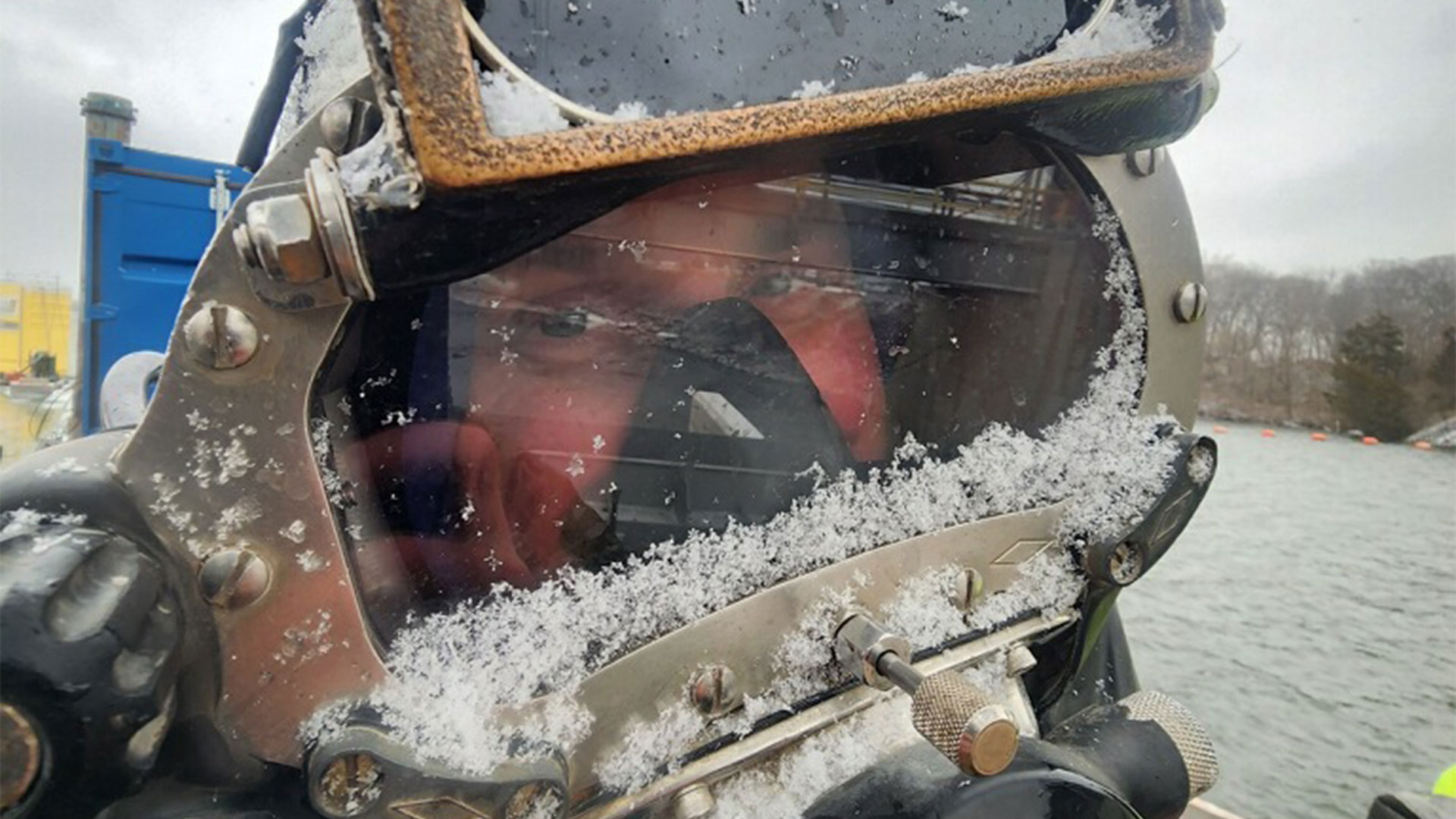
Cold is often one of the biggest challenges of underwater welding, especially before and after a dive. For Hooker, the moment right before a job is particularly difficult: “The most unpleasant part of my job is taking off my warm clothes in cold temperatures and getting into a cold, damp wetsuit.” The cold is easy to control under water with hot-water systems, and according to Hooker, this heat supply is indispensable, especially during deep dives.
What are the risks of underwater welding?
Hooker addresses a common misconception straightaway, revealing that in his experience, it is not the arc that is the most dangerous part of his job, but the entire working environment. Among the biggest risks are:
- Differential pressure (Delta P):
Water currents around dams, inlets, or narrow passages can become so strong that divers are pressed against openings, sometimes resulting in serious injury. Further information on this topic is provided by the U.S. Occupational Safety and Health Administration (OSHA) in an alert on Delta-P hazards during diving operations. - Suction from pumps and inlets:
In power plants, steelworks, or water treatment facilities, the suction effect of running pump systems can be life-threatening, especially when visibility is poor. - Stored energy in steel structures:
When cutting deformed or damaged steel, tension may suddenly be released. Hooker describes this as one of the most precarious situations you can face underwater. - Decompression and depth:
The deeper the dive, the greater the pressure and the sooner the dive time limits come into effect. Longer or deeper dives require precise planning and controlled decompression.
What equipment is needed for underwater welding?
With so many hazards at play, nothing is left to chance when welding underwater. “Safety begins long before the dive,” stresses Hooker. Underwater equipment and surface systems play a crucial role in this regard.
The right welding machine for underwater welding
Welding underwater requires welding equipment that:
- work reliably under demanding conditions;
- can be safely integrated into the diving and welding system;
- are compatible with special underwater electrodes; and
- remain flexible enough to be used even in remote locations.
The Fronius Ignis Battery, for example, enables electrode welding without a mains connection and was developed specifically for work in areas far from fixed infrastructure. Kirk Hooker also uses Fronius welding machines like the Ignis Battery for underwater welder training and demonstrations, demonstrating how mobile welding technology has proven itself even in this demanding field.
Welding equipment also includes:
- Underwater electrodes with a waterproof coating, which are designed for direct use in water and are typically operated at higher amperages than comparable electrodes on land
- specially insulated electrode holders, which provide additional electrical safety during underwater welding
- Welding power leads and power supply systems, which are monitored from the surface
Important to know: With underwater welding, the welding machine is always located on the surface. The current is transmitted under water to the welding site via specially insulated welding power leads. For safety reasons, the welding current is first turned on at the diver’s command (“Make it hot”) and turned off again once the work is complete (“Make it cold”).
Diving equipment
In addition to the proper welding equipment, underwater professionals also require the following:
- Diving helmet or full-face mask with a communication system
- Breathing gas supply from the surface
- Supply hose (umbilical) for breathing gas, communication, and other supply lines
- Dry diving suit or heated diving system for working in cold water
- Buoyancy control devices (BCDs) for controlling buoyancy during certain underwater tasks
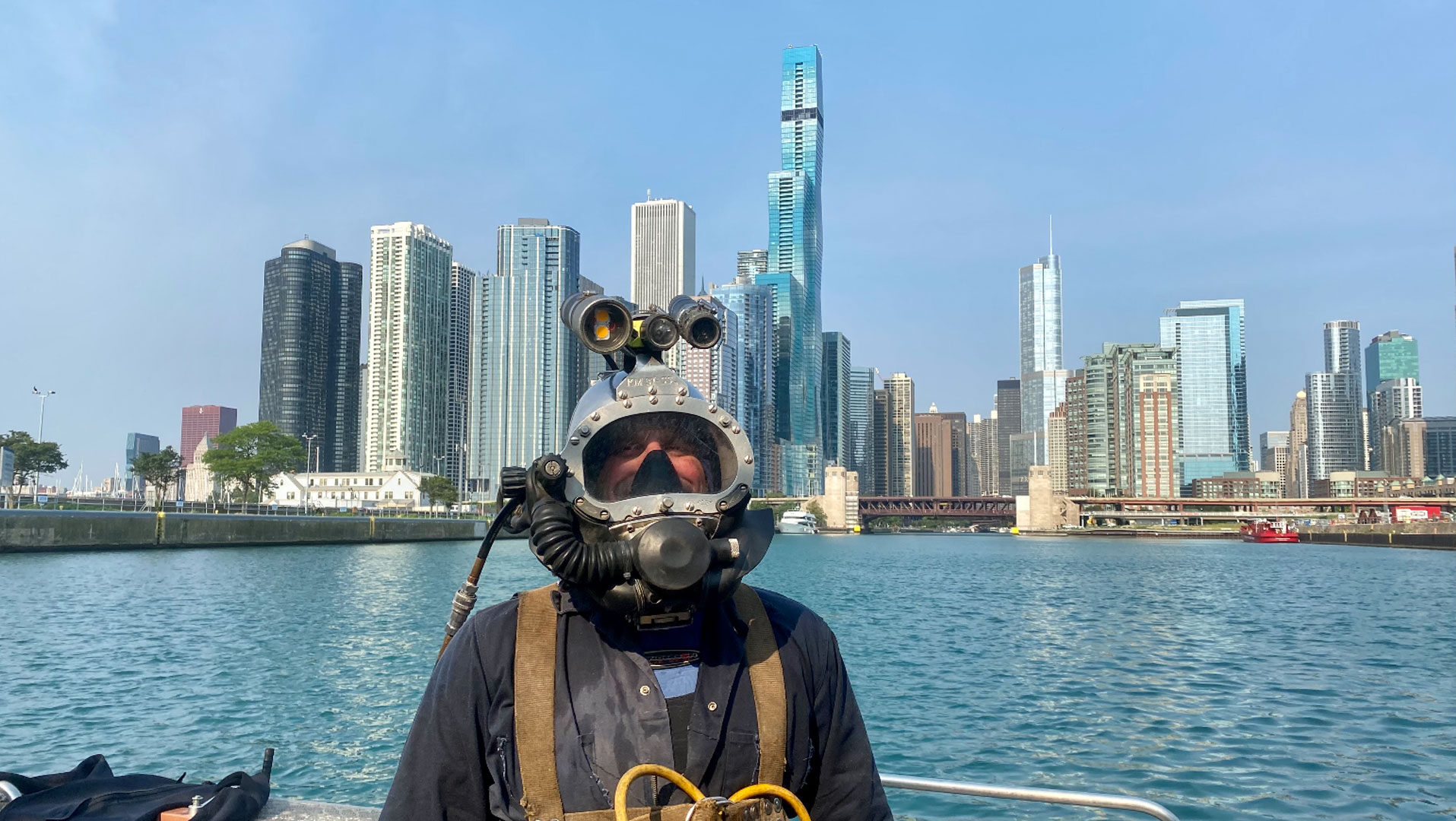
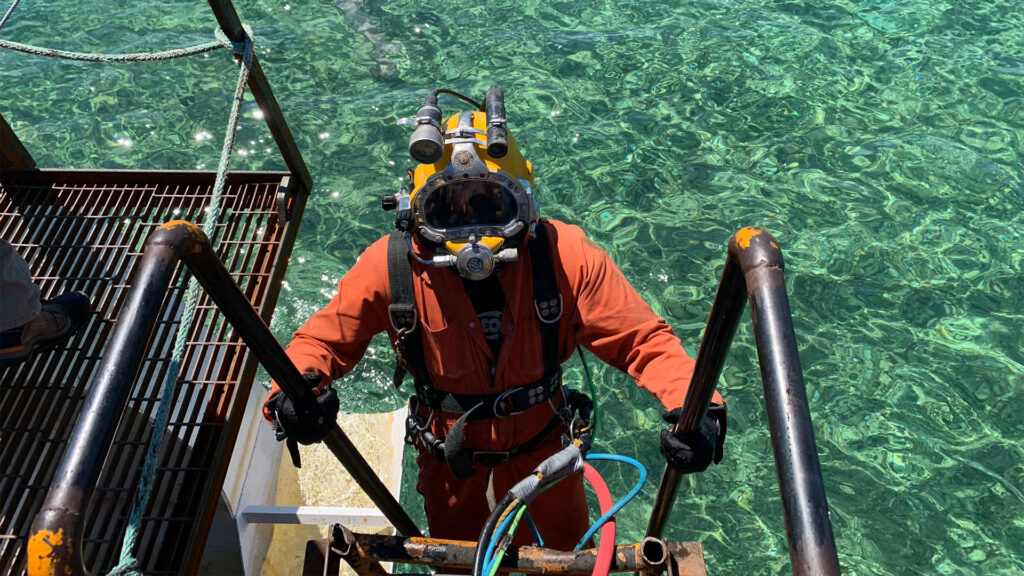
While full-face masks are used for some diving operations, Hooker says he uses a diving helmet for about 99 percent of his dives. An integrated intercom system ensures constant communication with the team on the water’s surface.
Safety systems and surface team
“Underwater welding isn’t a job for a lone wolf—it’s teamwork,” explains Hooker. Every operation is accompanied by a specially trained surface team who monitor the divers’ safety.
This includes:
- Dive supervisor
- Tender
- Rescue diver on standby
- First aid and emergency supplies
- Oxygen supply for emergencies
- Decompression chamber for deep dives
Essential requirements for underwater welders
However, even the best equipment is only part of the equation. The people who work under these conditions are equally important. Hooker is under no illusions that underwater welding has anything to do with the romance of adventure. Instead, it is highly precise, grueling work carried out under extreme conditions. Or, as he puts it: “Anyone who wants to succeed in this profession needs courage and patience. A spirit of adventure may encourage some people to try underwater welding, but perseverance is the key to achieving long-term success.”
Just how much tenacity is required is illustrated by an incident he still remembers to this day. During a hydraulic engineering project on the Ohio River near Paducah, Kentucky, the work had to be completed under strict time pressures. Hooker was underwater from dawn until dusk—a total of about 12 hours—without eating or drinking anything. “Days like that are an exception though and are only possible in shallow water. We usually work as a four-person dive team and divide up the assignments so that no one is overburdened,” says Hooker.
Mental strength: when the unexpected surfaces under water
Physical endurance alone is not enough in this profession. Underwater operations also require mental strength, especially in environments with limited visibility—as Hooker knows from personal experience. While surveying the riverbed for a construction project, he came across several cars under the water. “As the first diver on the scene, I had to check every vehicle—keeping in mind that there might be someone inside,” he says, describing the harsh reality of the job.
The fascinating world of underwater welding: a deep dive into this challenging profession
And yet, Hooker is still genuinely enthusiastic about the job. He above all values the freedom he finds in his daily work: being on the go, the variety, the unusual work sites, and the feeling of working in places most people never get to see. For him, the exact opposite would be hard to imagine; having the same routine every day, the same schedule, the same alarm clock.
Perhaps that is precisely what makes underwater welding so fascinating. It is not a glamorous adventure sport, but a profession for people who take on responsibility and work with precision under extreme conditions. People who weld underwater don’t work in the spotlight, but they often work where it matters most.
FAQs on underwater welding
How do you become an underwater welder?
Underwater welding is usually not a separate skilled trade, but a combination of commercial diving and welding technology. Many people start out as professional divers and later learn how to weld.
Is the quality of underwater dry welding comparable to that of welding on land?
It comes closest to the quality found on land. Dry or hyperbaric methods offer better visibility, more process control, and conditions that are much closer to those of onshore welding, which is why it generally produces higher-quality weld seams than wet welding.
How does underwater welding work without causing a short circuit?
At first glance, electricity and water seem like a dangerous combination. In underwater welding, however, specialized welding machines, appropriate safety gear, and clearly defined safety procedures prevent the current from flowing uncontrollably. In addition, the welding current is activated only when the diver is in position. After the weld is complete, the current is turned off again.